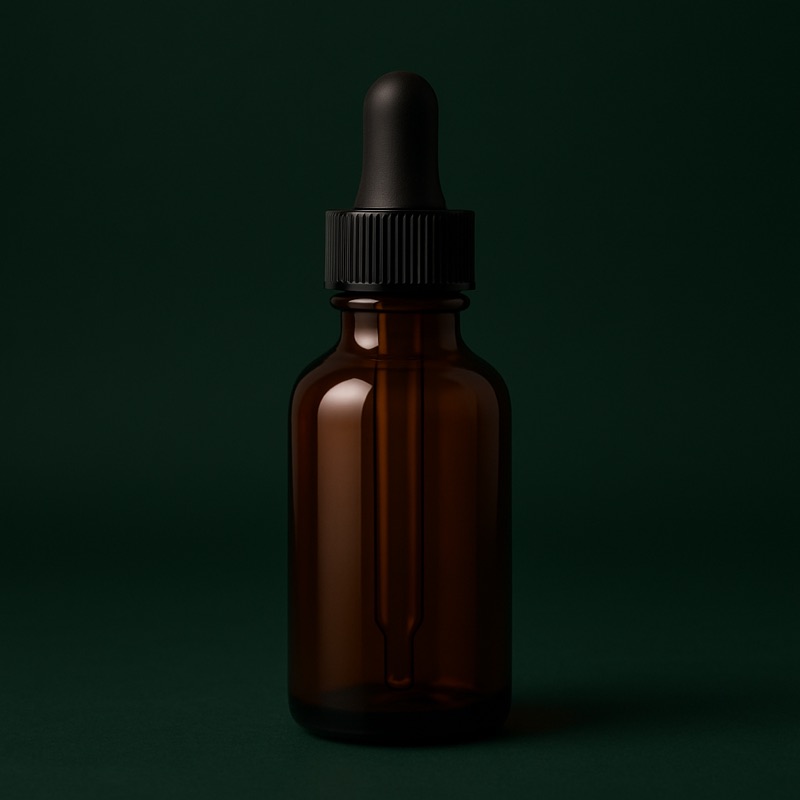
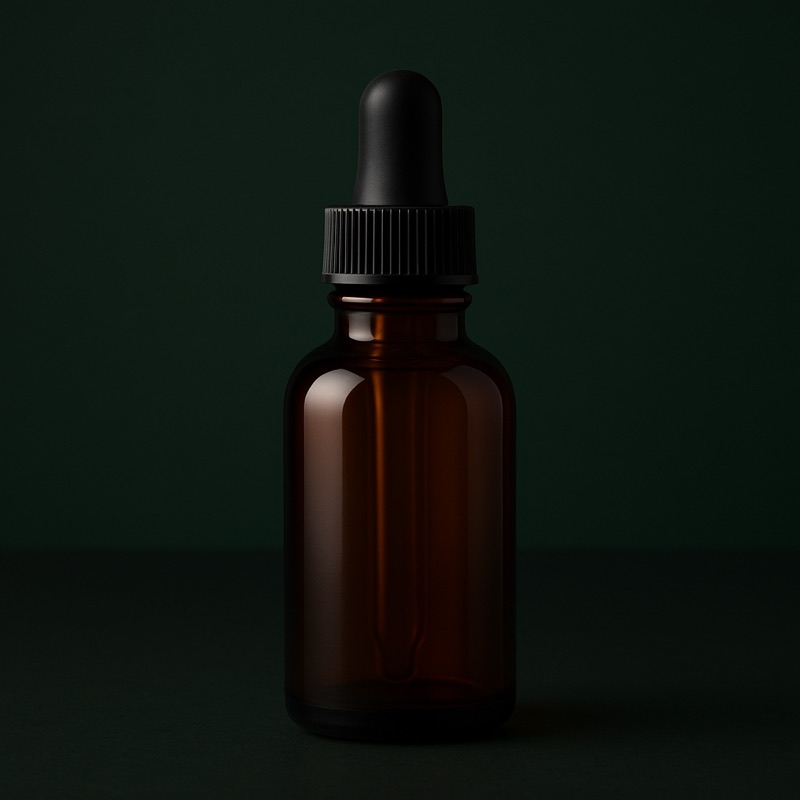
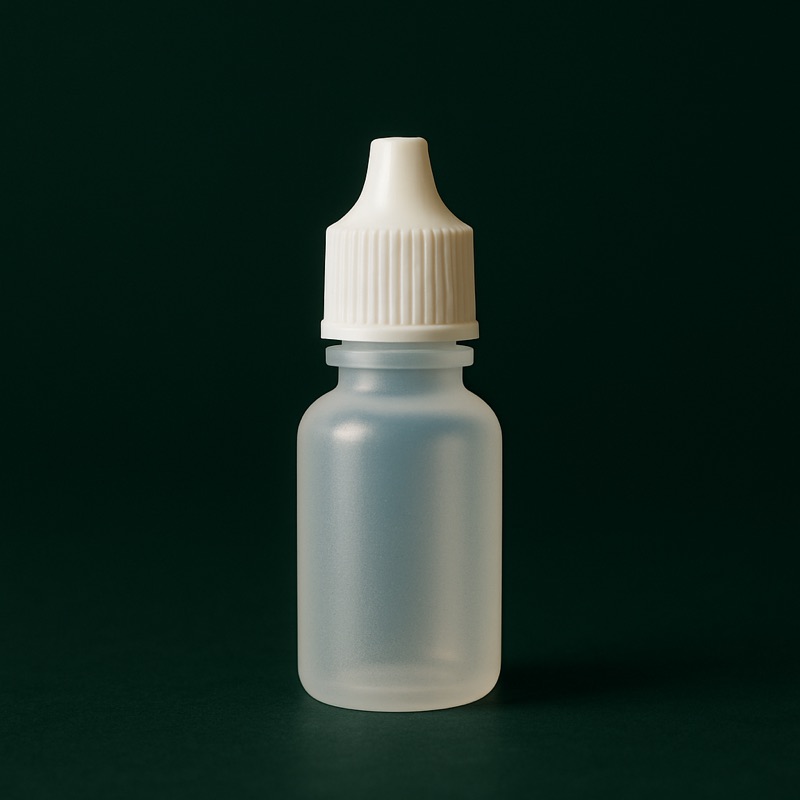
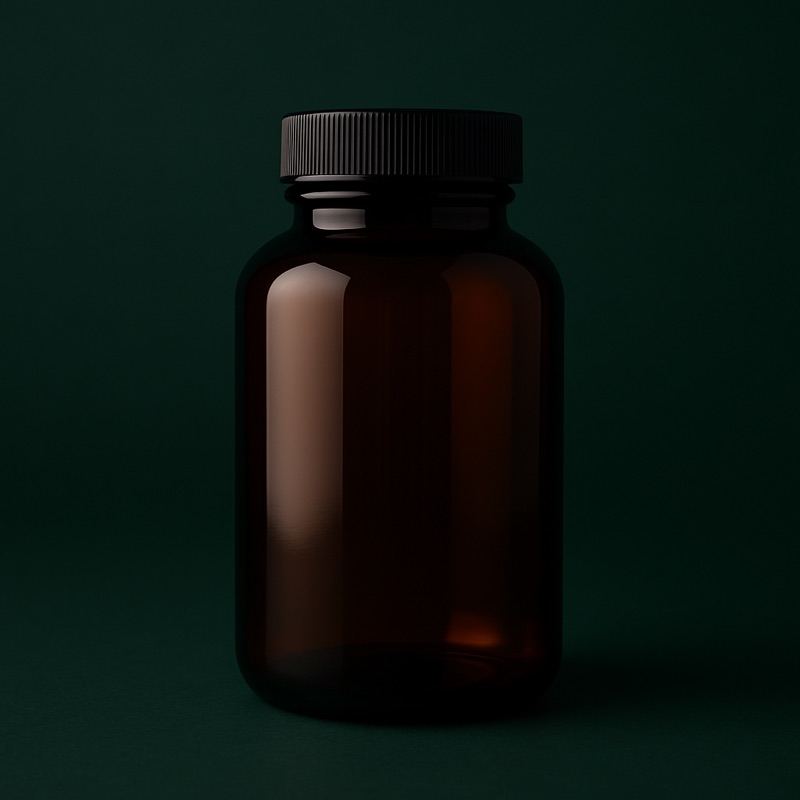
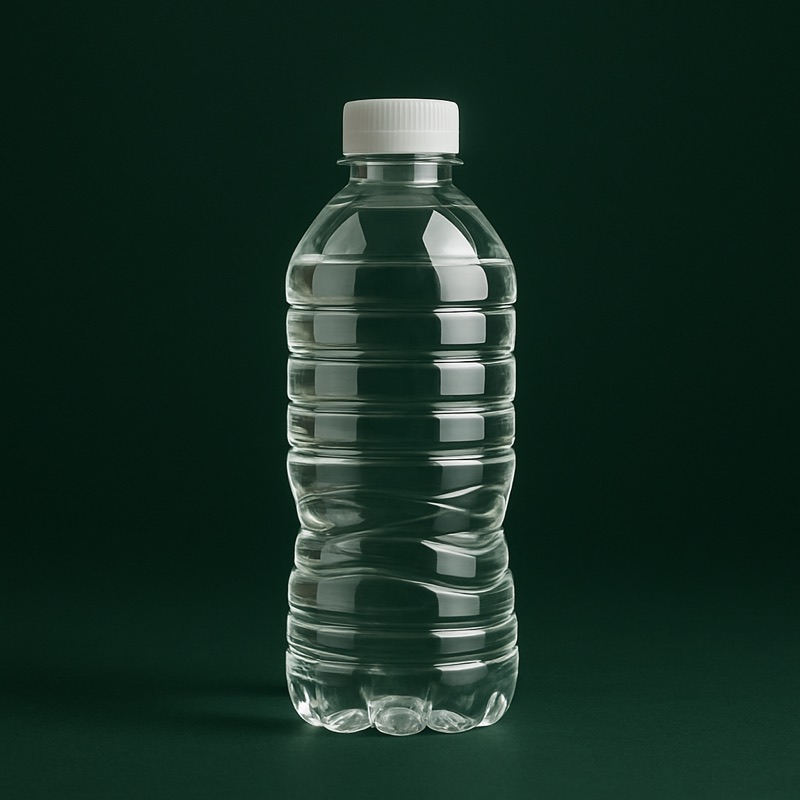
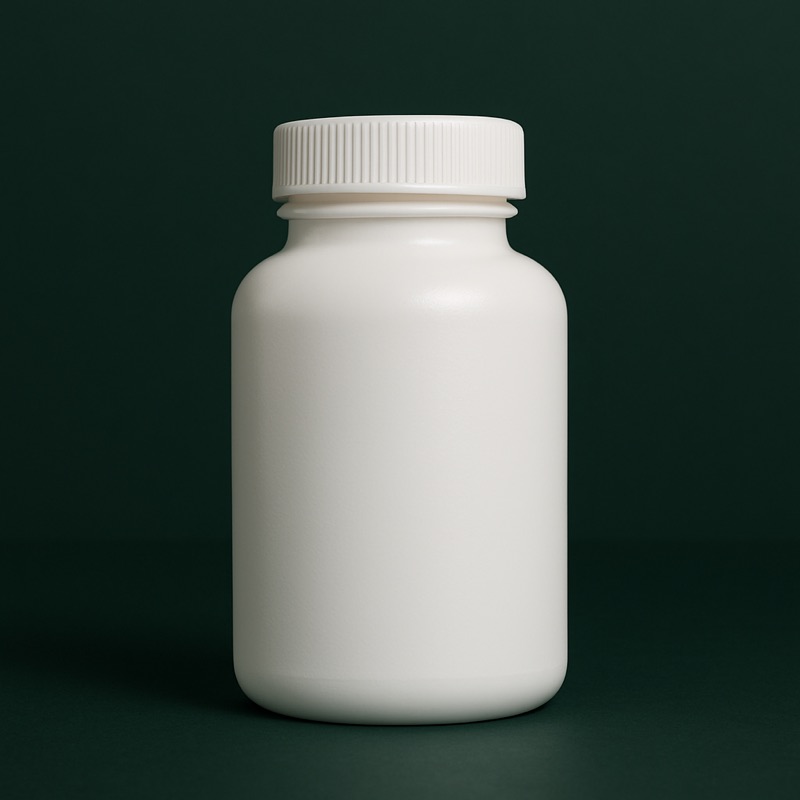
A dropper bottle is really two decisions: the glass or resin that protects the formula, and the closure that meters it. TWO Packaging supplies both as one printed, assembled unit — amber UV and flint glass, PET and HDPE, dropper assemblies, pump and mist caps, and certified child-resistant closures — priced on request at about $0.35–$2.50 each.
Price range$0.35 – $2.50per bottle, by material, size and closure
Minimum orderPriced on requestmultiple SKUs can share a run
Sizes15 – 120 mlthe working range for droppers and tinctures
ProductionAs few as 5 daysbusiness days from artwork approval (up to 15), then delivery in as soon as 4 days Expedited or 25 days Standard
Custom Dropper Bottles
Bottles.
Amber blocks UV, flint shows the product, PET drops the shipping weight and the breakage rate. If the formula is light-sensitive — most botanical extracts and vitamin oils are — amber or an opaque secondary carton is the honest answer, not a clear bottle that looks better on a shelf.
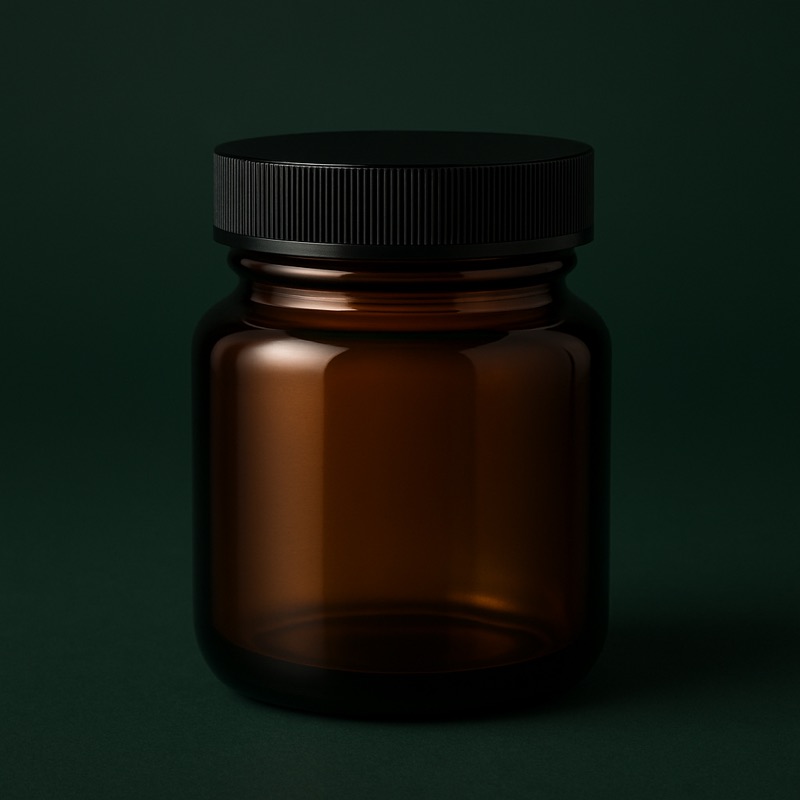
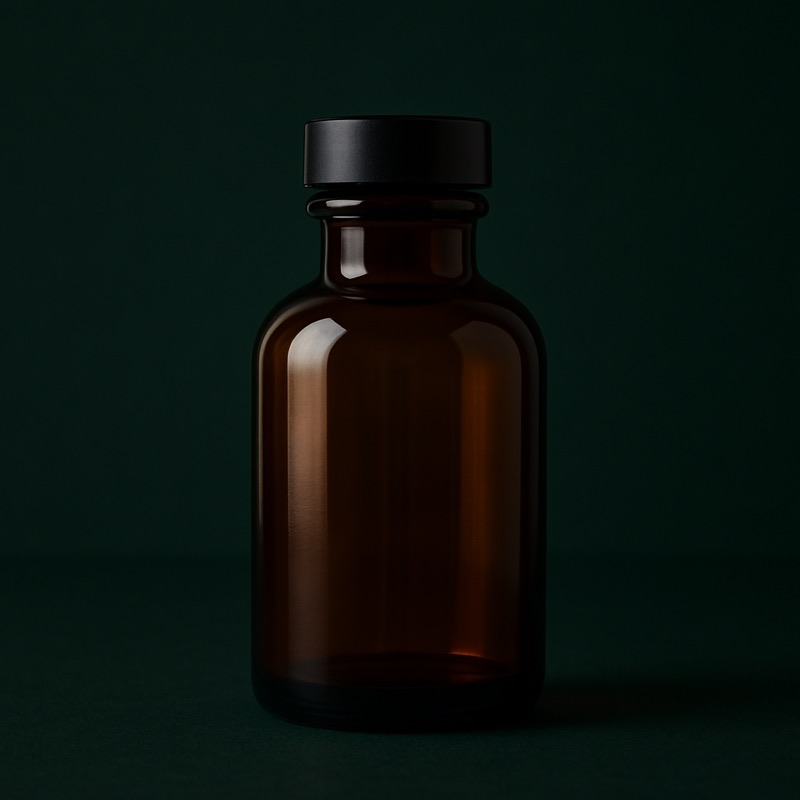
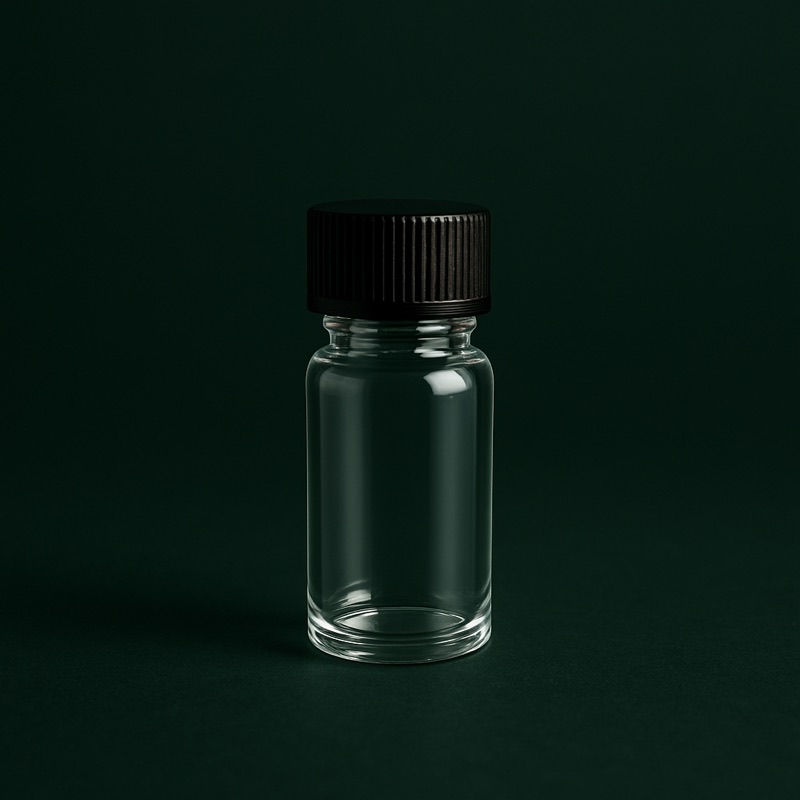
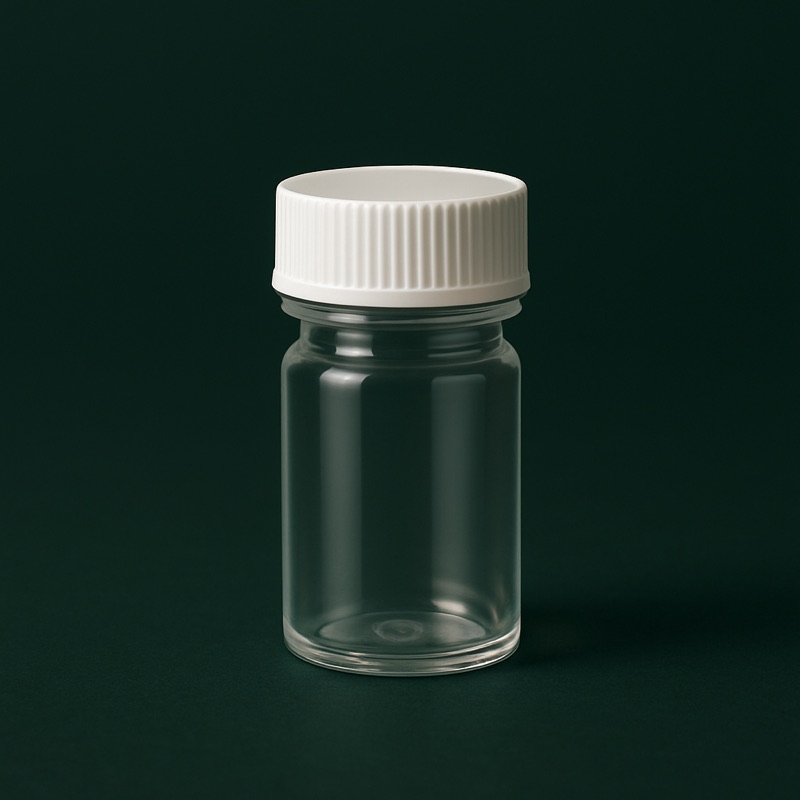
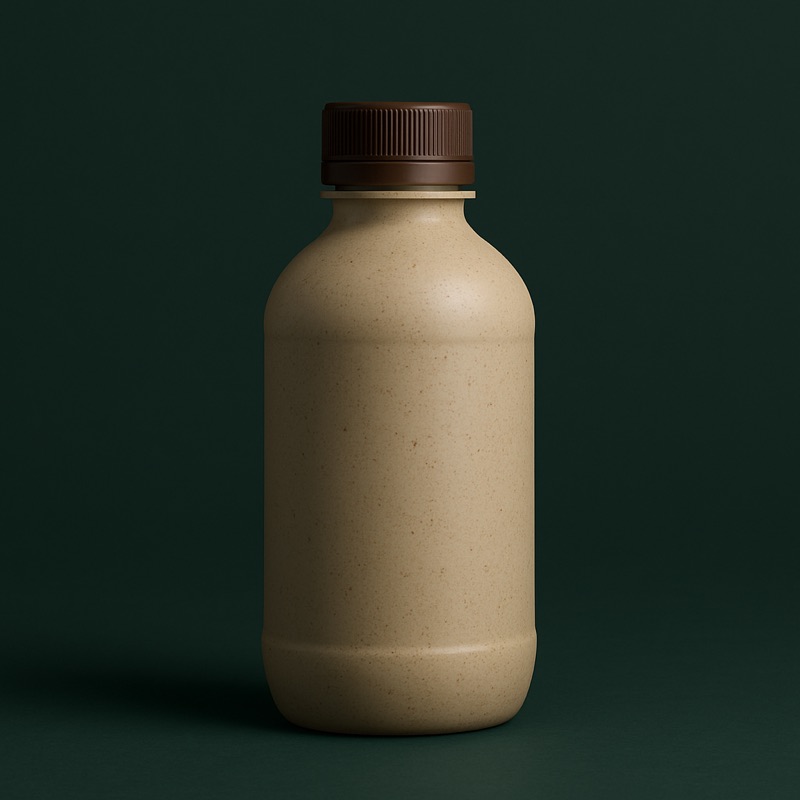
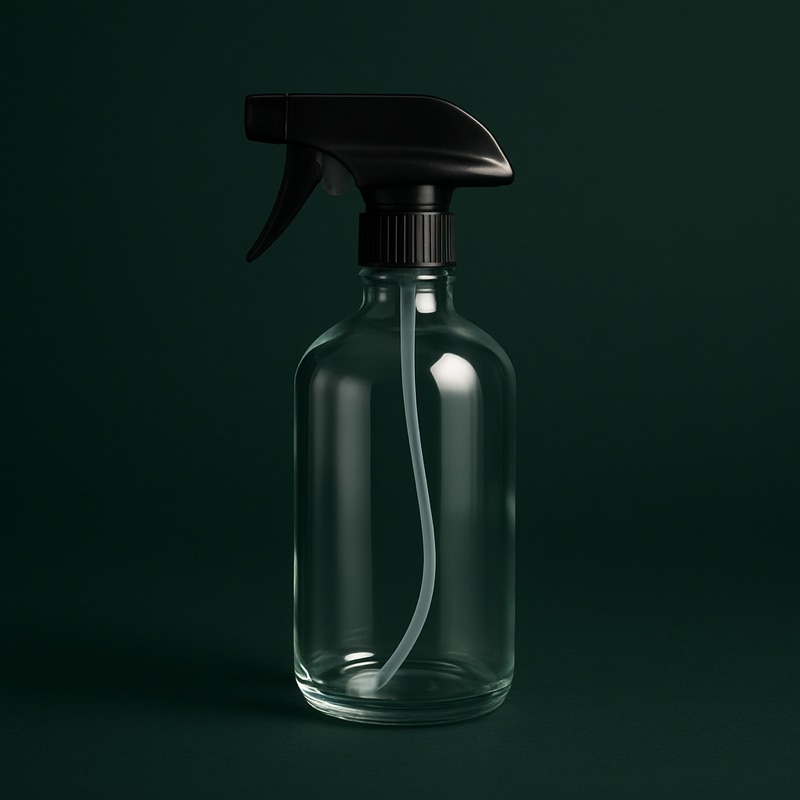
Glass Dropper BottleTincture bottle with precision dropper capBoston Round BottleClassic round glass bottle for tinctures and liquidsAmber UV Glass JarUV-blocking amber glass preserves light-sensitive productsEuro / Flint Glass BottleEuropean pharmacy-style bottle in clear or amberDropper Bottle (Plastic)LDPE dropper bottle for tinctures and eye dropsAmber PET BottleUV-resistant amber plastic bottle for supplements and oilsPET Plastic BottleLightweight clear bottle for beverages and supplementsHDPE Plastic BottleDurable opaque bottle for supplements, powders, and cleaningGlass Vial with CapSmall glass vial for concentrates, serums, or samplesPP Pharmaceutical VialPolypropylene vial for pills, capsules, and samplesPCR Plastic BottlePost-consumer recycled plastic bottle for eco brandsSpray Bottle (Glass)Trigger spray bottle in borosilicate or soda-lime glass
Closures
The closure does the dosing.
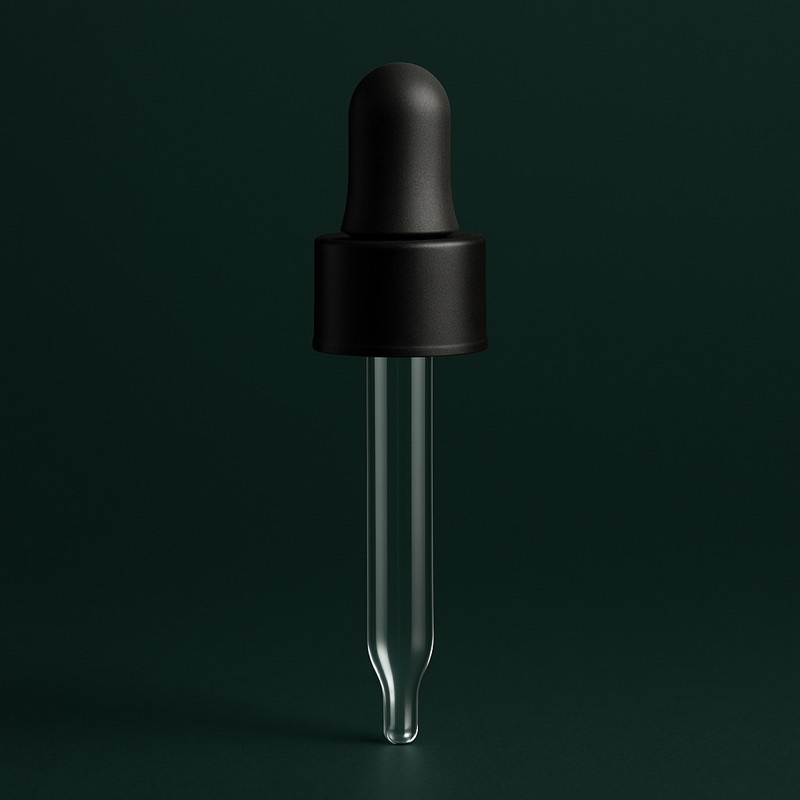
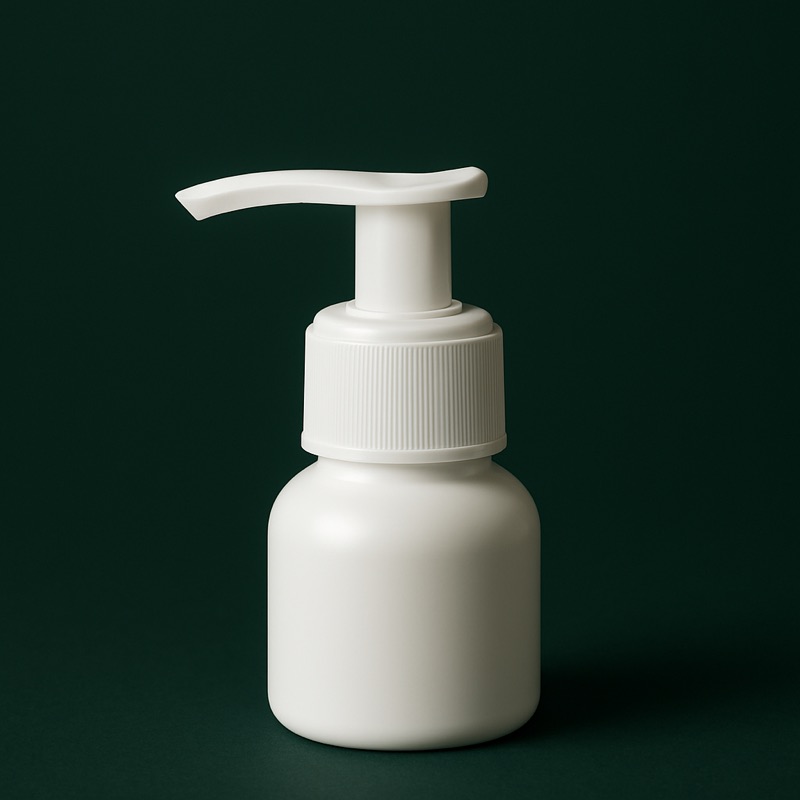
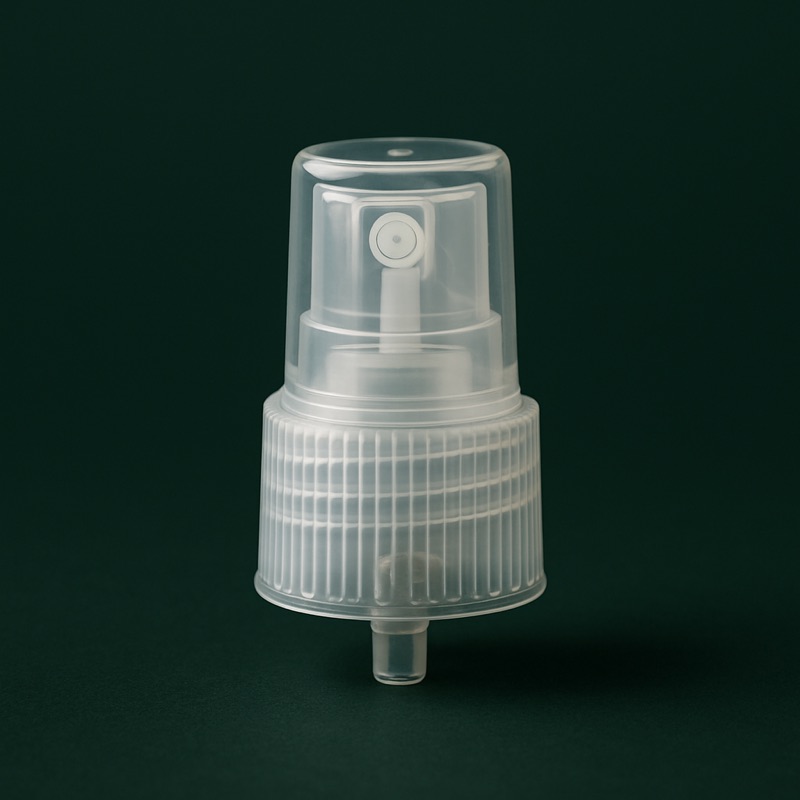
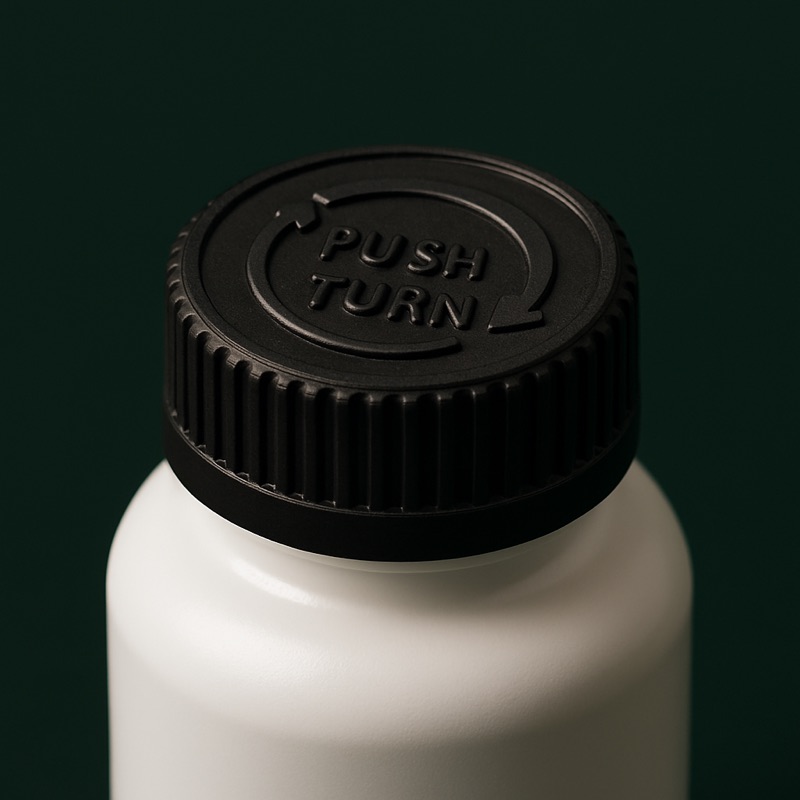
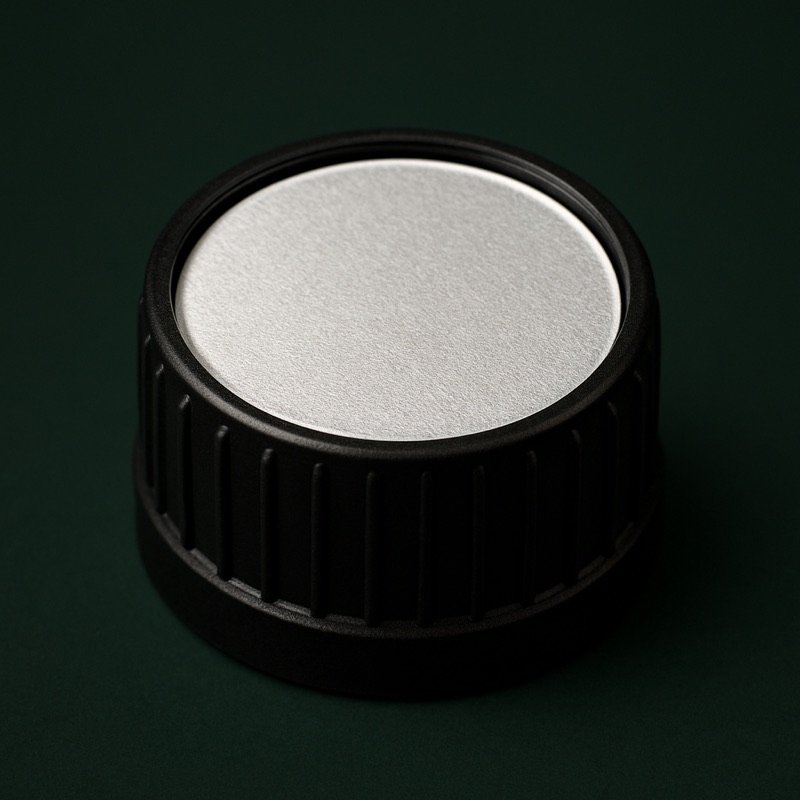
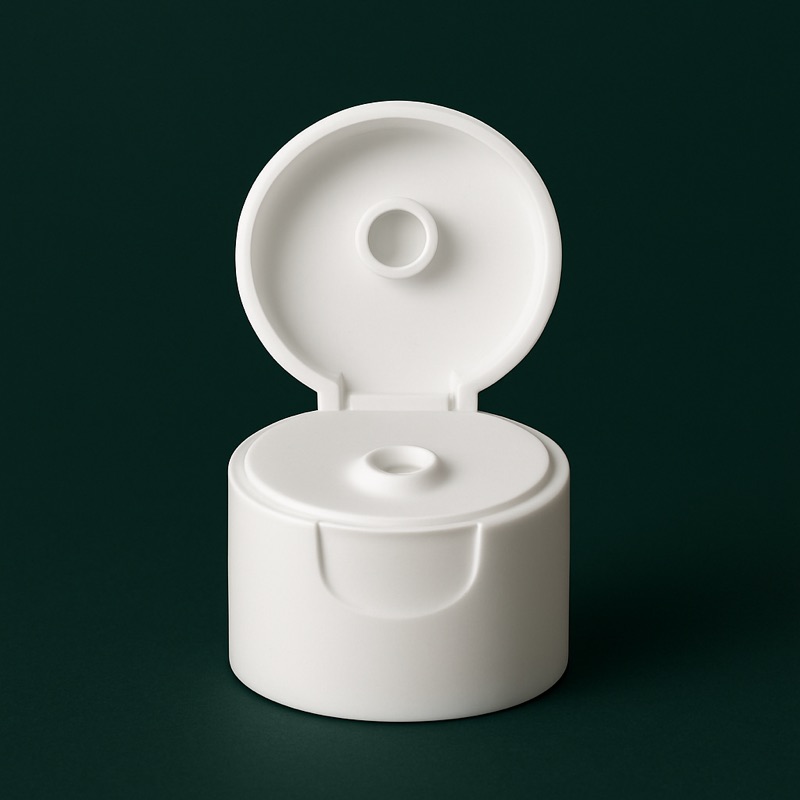
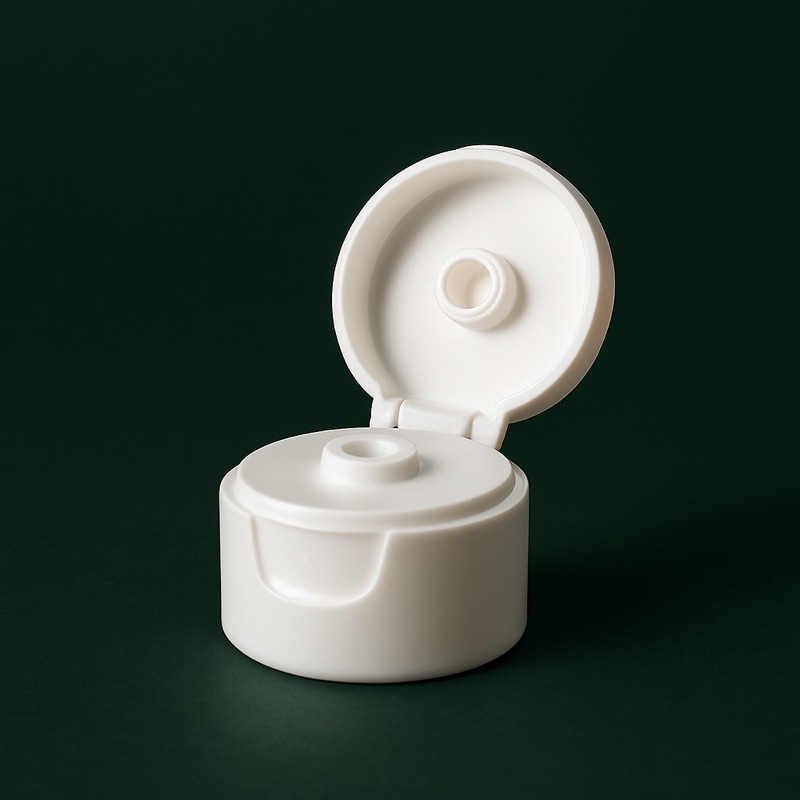
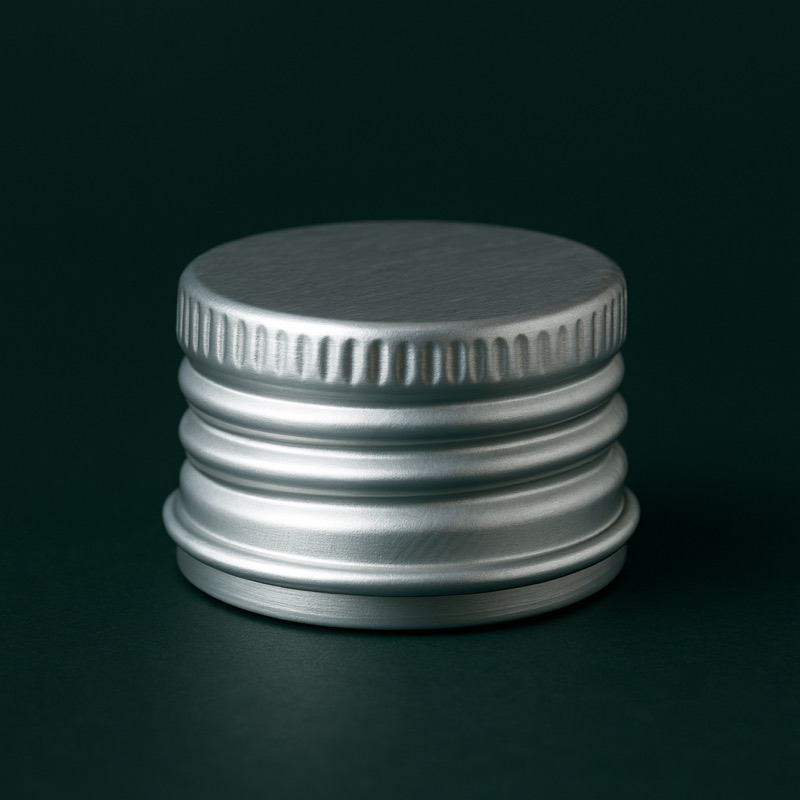
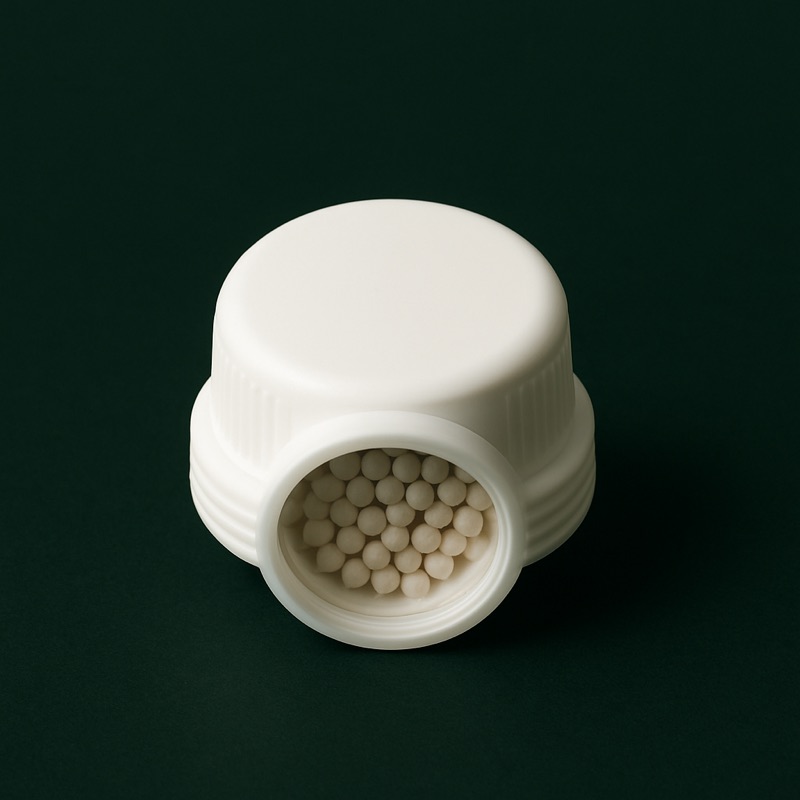
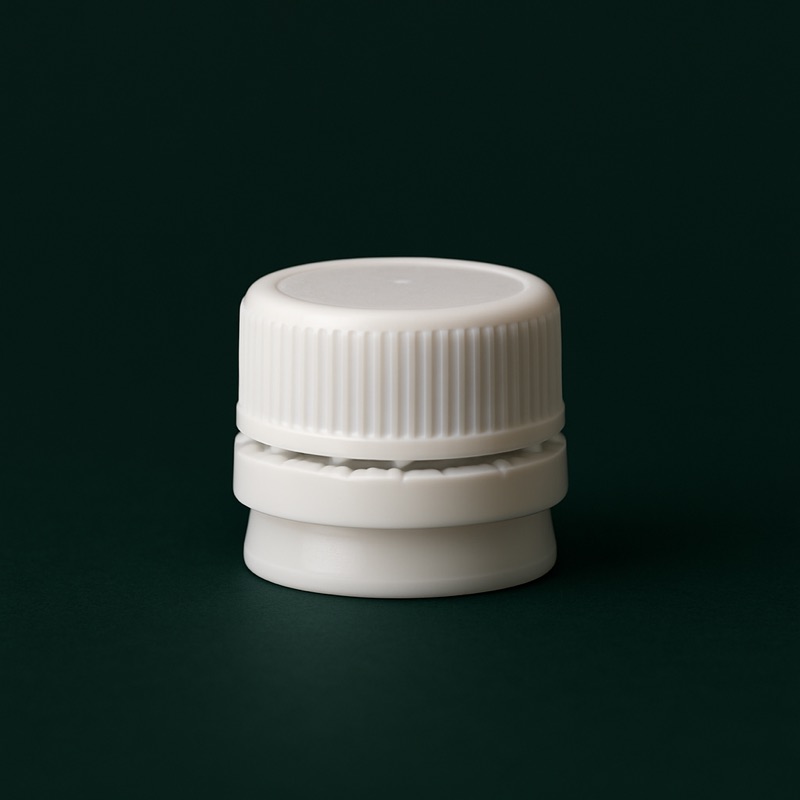
A dropper bottle is only as good as what sits on top of it. Graduated pipettes meter a dose, pumps suit lotions and serums, mist caps suit facial and room sprays, and a certified child-resistant cap is required for a long list of categories. Ours are CR certified.
Dropper Cap AssemblyRubber bulb and glass pipette dropper for tincturesPump Dispenser CapLotion or serum pump for cream and liquid productsSpray / Mist CapFine mist or trigger spray nozzle for spray productsChild-Resistant Screw CapCertified child-resistant screw closureInduction Seal Liner CapHeat-induction foil liner beneath cap for tamper evidenceDisc Top CapPress-open flip cap for easy one-hand dispensingFlip-Top Snap CapHinged snap-open cap for squeeze bottles and tubesMetal Continuous Thread CapAluminum screw cap for premium glass bottlesDesiccant CapBuilt-in desiccant to absorb moisture for sensitive productsChild-Resistant Locking LidCR-certified locking lid for jars and pharmaceutical containers
Labelling
Label, shrink band, or both.
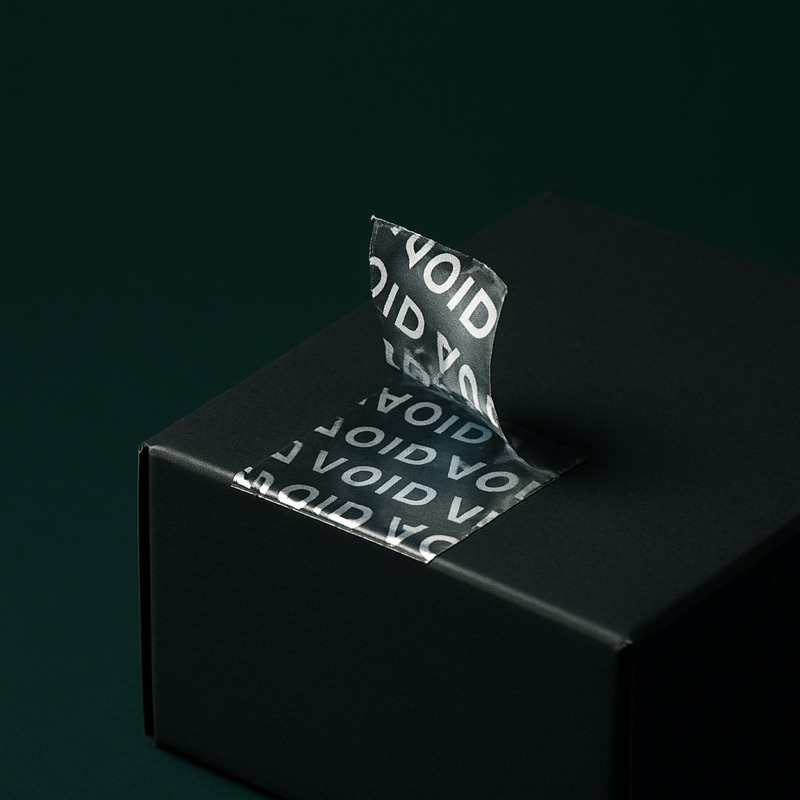
Most dropper bottles are decorated with a pressure-sensitive label; a shrink sleeve wraps a curved shoulder that a flat label will not sit on. A tamper band across the cap is a separate part and is worth the fraction of a cent it costs on anything ingestible.
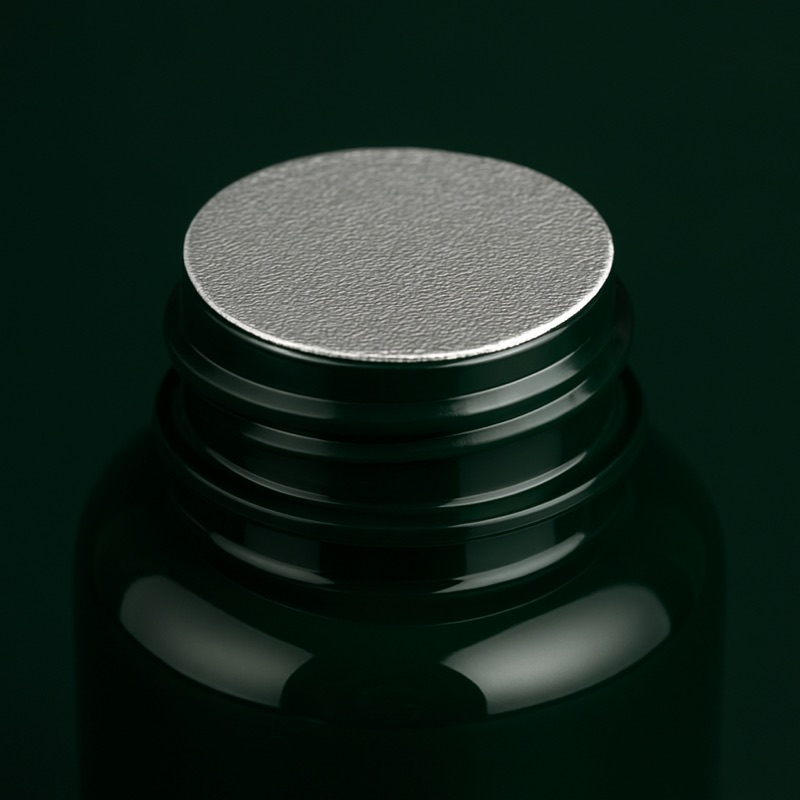
Shrink Sleeve BandFull-body or neck shrink sleeve that breaks on first openBreakable Cap BandTear-away cap band that snaps on first twist openTamper-Evident Void LabelLeaves permanent VOID pattern if removedInduction Seal (Foil Liner)Heat-bonded foil liner inside cap fuses to container rim
Specifying it
How to spec a dropper bottle.
Start with the fill volume and work outward. A 30 ml formula in a 30 ml bottle leaves no headspace for the pipette to displace, so it overflows the first time a customer inserts the dropper. Specify the bottle one size up from the nominal fill, or accept a part-filled look on the shelf.
Pipette length is measured to the bottle's internal depth, not its external height. Too short and the last fifth of the product is unreachable; too long and the pipette bottoms out and bends. We set this on the drawing and you confirm it on the pre-production sample — it is the single most common thing brands discover too late.
Neck finish is the other number that matters. It is written as diameter and thread pitch (20-400 and 24-410 are the common ones in this range) and it has to match between the bottle and every closure you might want later. Lock the neck finish early and you can change caps freely; change it later and every closure in your warehouse is obsolete.
Finally, decide whether the bottle ships naked or in a carton. A naked bottle needs a durable label and a tamper band. A cartoned bottle can carry a cheaper label and use the carton for the regulatory copy, which frees the bottle face for the brand.
Pitfalls
What goes wrong.
Essential oils attacking the bulb. Standard rubber bulbs degrade against citrus and other terpene-heavy oils — the bulb swells, discolours and eventually crumbles into the product. If the formula is oil-based, specify a chemically resistant bulb and say so at quote stage.
Labels that will not lie flat. A Boston round is straight-sided and takes a label cleanly. A tapered or shouldered bottle will wrinkle a flat label every time. That is a shrink sleeve job, and it costs more than the label you were budgeting for.
Assuming amber is decorative. Amber glass is a UV filter, not a colour choice. If the formula is light-sensitive and you ship clear glass because it photographs better, degradation starts on the shelf and the customer blames the formula.
Ordering the cap separately, late. Bottles and closures have different lead times. Order them together and they arrive together; order the cap after the bottle lands and you hold inventory you cannot fill.
Cost drivers
What moves the price.
Material is the first lever. Glass costs more than PET per unit and considerably more to ship, because it is heavier and needs more protection in the case. On a direct-to-consumer product, the freight and breakage difference can outweigh the unit price difference entirely.
The closure is often the larger half of the cost. A plain screw cap is cents; a graduated glass pipette with a chemically resistant bulb and a certified child-resistant mechanism is a multiple of that. Specify the closure you actually need rather than the one on the nicest photograph.
Decoration is the third lever. A single-colour pressure-sensitive label is the cheap end. A full-wrap shrink sleeve costs more but is the only option on a tapered bottle. Foil, spot UV and textured facestocks each add a pass.
Volume moves all of it. The jump from 1,000 to 5,000 units is the single largest percentage drop you will see, because the fixed setup is spread across five times the run. Quotes here are all-in — tooling, printing, finishing and packing in one number — and reorders carry no setup fee, so the second run of the same artwork is always cheaper than the first.
Printing & finish
Every printing & finish option.
Every decoration below runs on cartons, labels and shrink sleeves. Pantone spot matching is standard, not an upcharge tier, and artwork files stay on record for 24 months so a reorder is a single email.
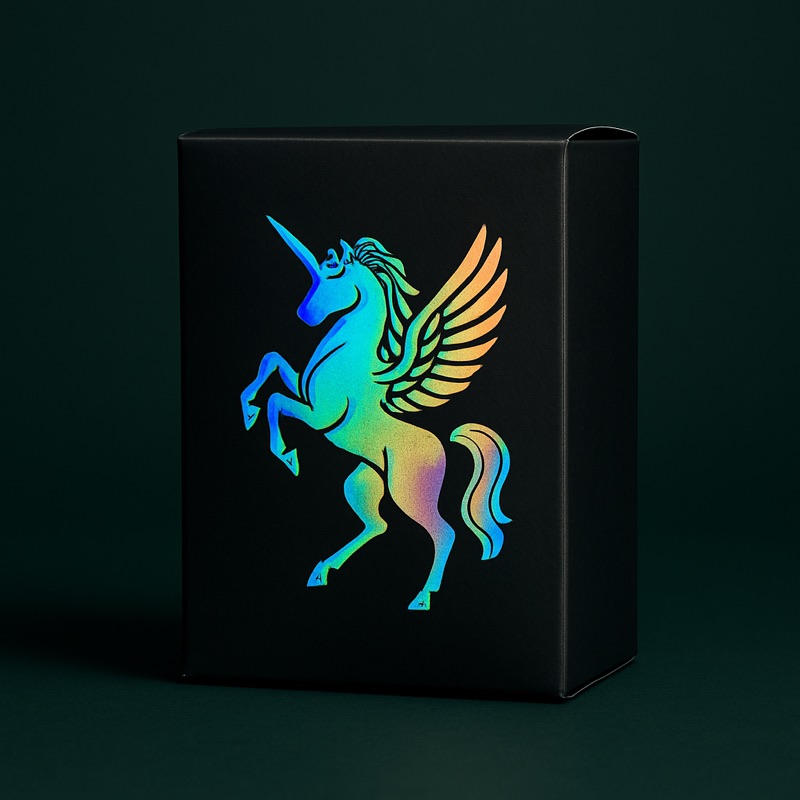
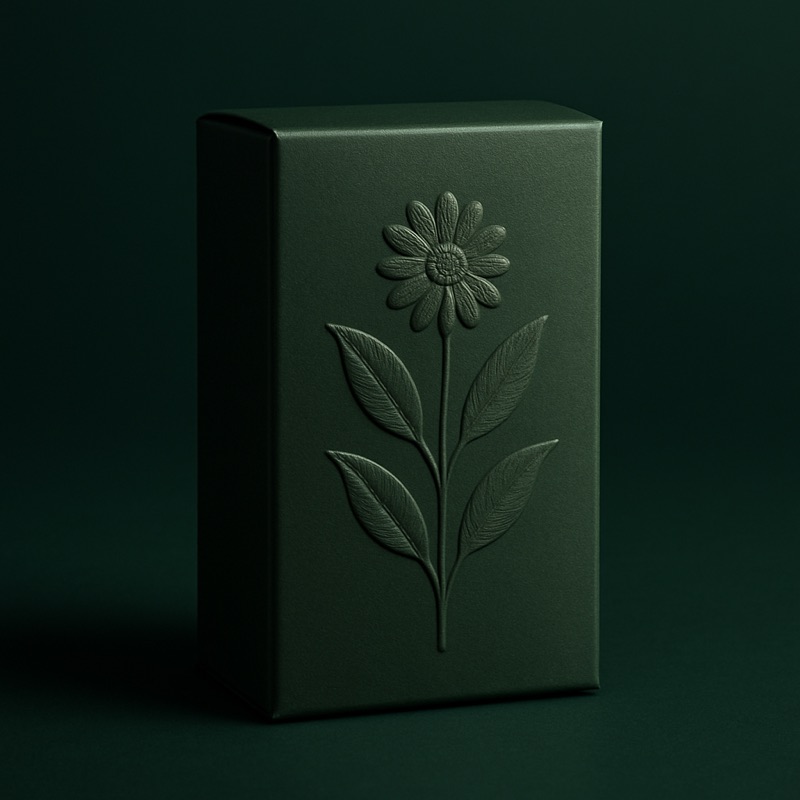
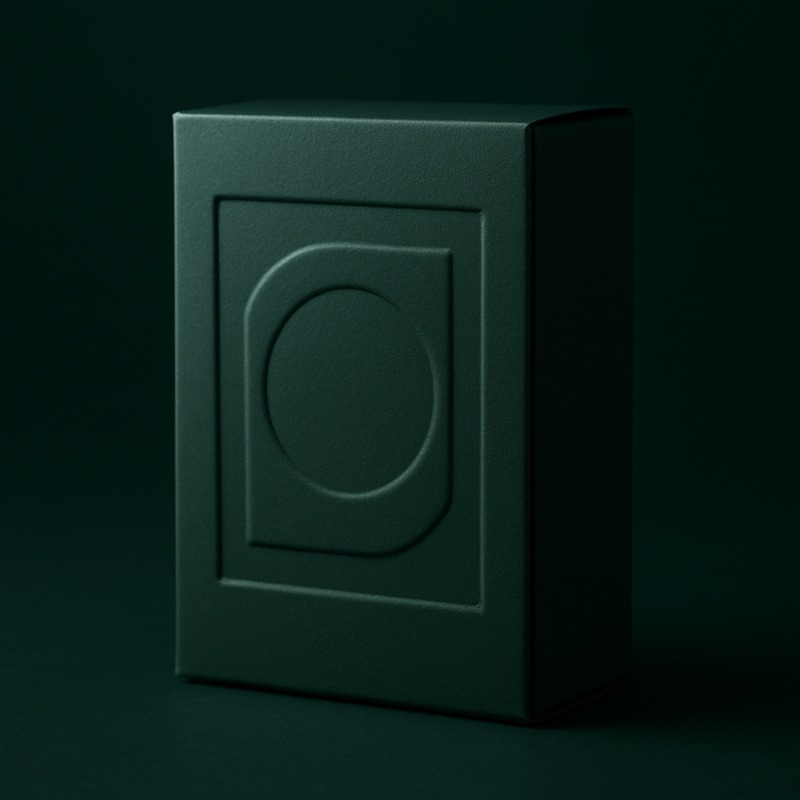
Soft Touch / Velvet LaminationVelvety tactile matte laminate that feels luxuriousMatte LaminationSmooth non-reflective matte film for sophisticated lookGloss LaminationHigh-shine protective gloss film over printSpot UV CoatingGlossy UV resin applied to selected design elementsGold Foil StampingMetallic gold foil pressed into substrate for luxury accentSilver Foil StampingMetallic silver foil stamping for premium highlightsHolographic Foil StampingRainbow-spectrum holographic foil for bold visual impactEmbossingRaised relief design pressed into packaging surfaceDebossingRecessed impression pressed into the packaging substratePantone Spot Color MatchingExact Pantone ink match for precise brand color consistencyDie CuttingCustom shape cut from flat packaging materialTextured Paper / BoardLinen, canvas, or felt-textured substrate for tactile branding
Process
From sample to shelf.
Send the fill volume and the viscosity. Viscosity decides the closure more than the bottle does — a thin tincture and a thick serum want different pipette bores.
1 · SpecTell us the fillvolume, weight or dimensions — we spec the format
3 · ArtworkDieline & proofin-house design at $75–$150/hr if you need it
4 · ProductionAs few as 5 daysbusiness days from artwork approval (up to 15), shipped to all 50 states
FAQ
Questions, answered.
How much do custom dropper bottles cost?
About $0.35 to $2.50 per bottle depending on material, size and closure. Quotes are all-in, with no setup fees on reorders.
What is the minimum order for dropper bottles?
Quantities are priced on request, and multiple SKUs can share a production run.
What sizes do dropper bottles come in?
15 ml to 120 ml covers almost every tincture, serum and oil. Send your fill volume and we'll spec the bottle and the pipette length together.
Are child-resistant dropper caps available?
Yes — certified child-resistant screw caps and locking lids.
Should I use amber or clear glass?
Amber if the formula is light-sensitive, which most botanical and vitamin oils are. Clear or flint if product visibility matters more and the bottle ships inside a carton.
Can you print the bottle itself?
Bottles are decorated with pressure-sensitive labels or shrink sleeves rather than printed directly. A shrink sleeve is the right call on a curved or tapered shoulder.
What neck finish do your dropper bottles use?
20-400 and 24-410 are the common finishes in the 15–120 ml range. Lock the neck finish early — it has to match every closure you might want later, and changing it makes existing caps obsolete.
Will essential oils damage the dropper bulb?
A standard rubber bulb degrades against citrus and other terpene-heavy oils. For oil-based formulas we specify a chemically resistant bulb — tell us the formula at quote stage.
Can you supply bottle, closure and label together?
Yes — one quote, one lead time, one delivery, rather than three vendors that arrive out of sequence and leave you holding unfillable inventory.
How long do you keep artwork on file?
24 months. A reorder of the same artwork is a single email with no setup fee.