Home / Products / Custom Household & Cleaning Packaging
Household
Custom household & cleaning packaging.
Cleaning products have to hold an aggressive formula, dispense it in a controlled way, and say clearly what to do if a child gets hold of it. TWO Packaging supplies HDPE and PET bottles, spray and mist caps, pump dispensers, refill pouches and certified child-resistant closures — with PCR resin available — custom pouches from 500 bags per design; labels and boxes from 100 and mailers from 500 (one-color logo; full color from 5,000) are priced instantly online; other formats priced on request.
PricingQuoted all-inbottles from $0.35; refill pouches from $0.05
Minimum order500 bags on pouchesper design; labels & boxes from 100, mailers from 500 (one-color logo; full color from 5,000), all online; other formats on request
Check firstChemical compatibilitythe formula decides the resin, not the other way round
ProductionAs few as 5 daysbusiness days for printed pouches and boxes, from artwork approval (up to 15), then delivery in as soon as 4 days Expedited or 25 days Standard
Custom Household & Cleaning Packaging
Bottles and containers.
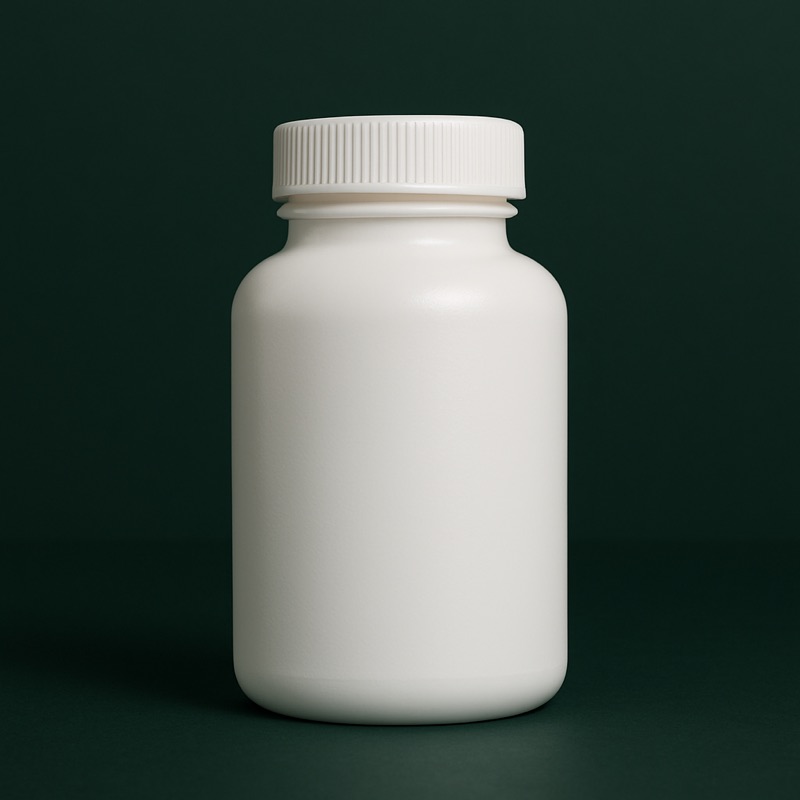
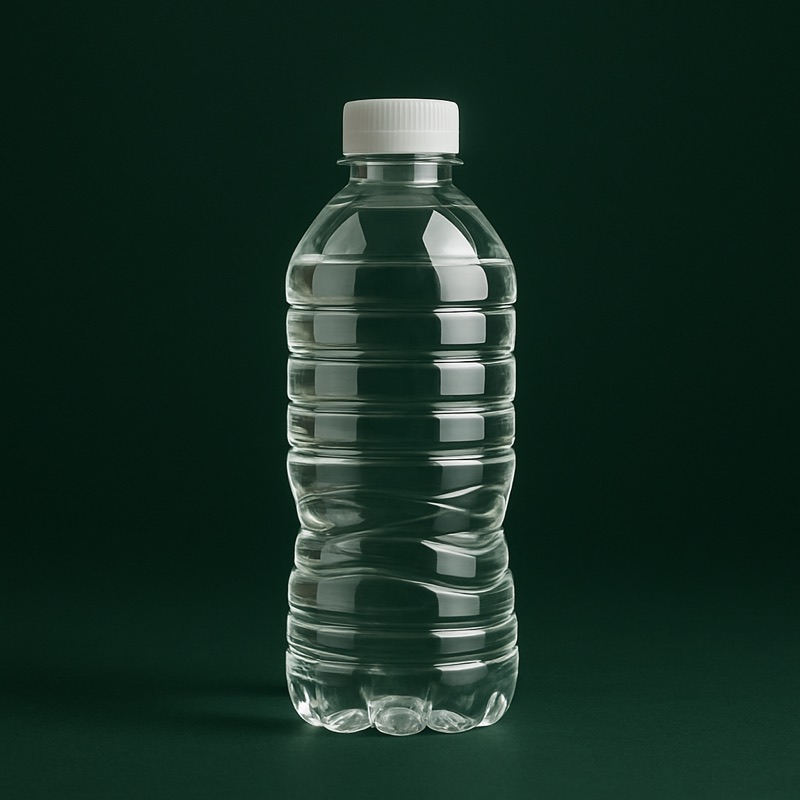
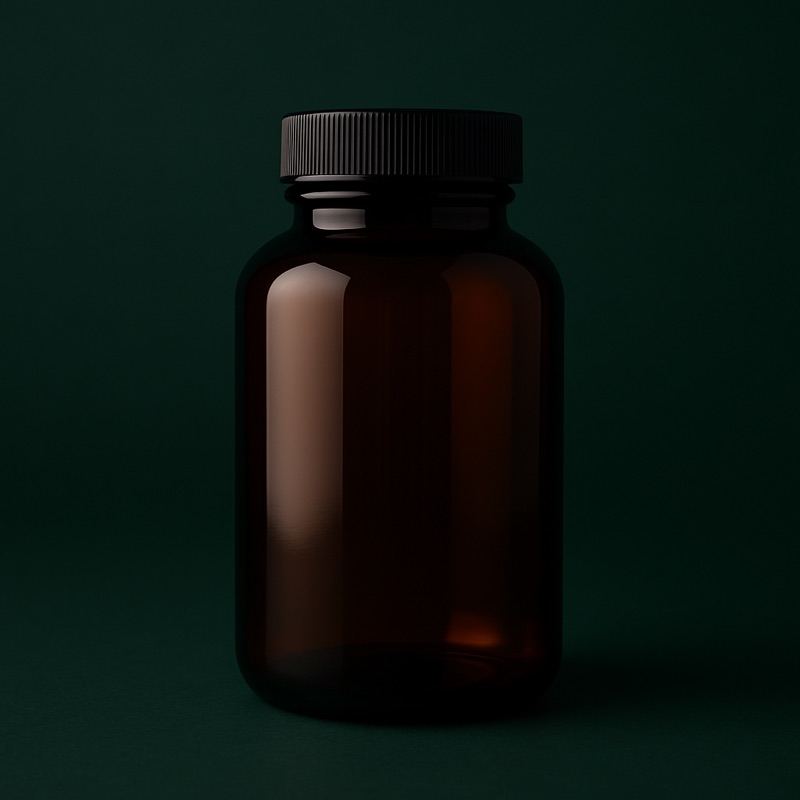
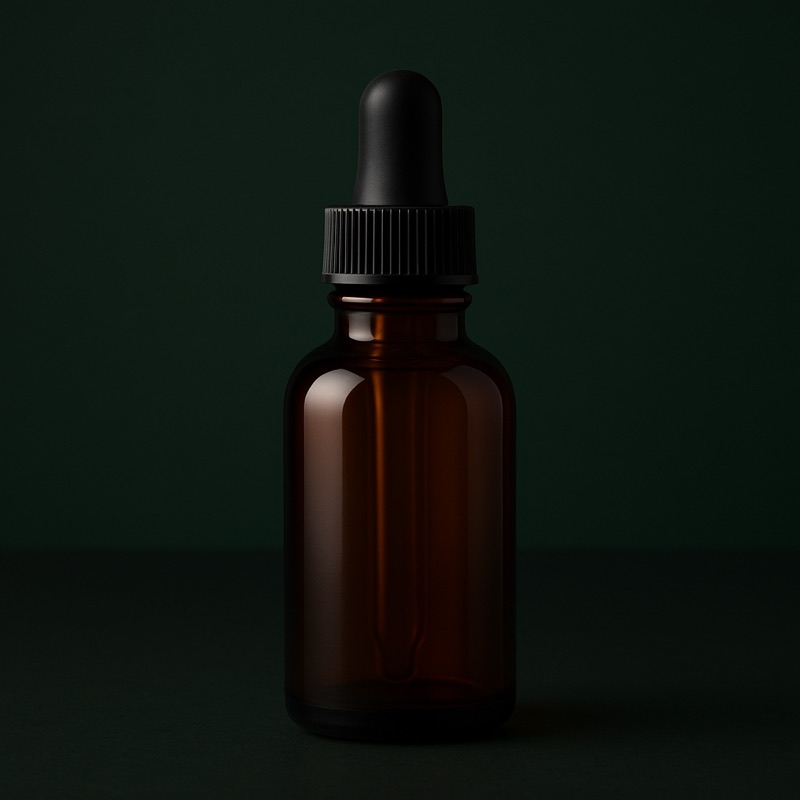
HDPE is the workhorse for cleaning chemistry — opaque, tough, and compatible with most surfactants and solvents. PET is clearer and cheaper but not compatible with everything. Amber protects anything light-sensitive. Send the formula and we check compatibility before quoting, because a resin that swells or stress-cracks in month three is not a saving.
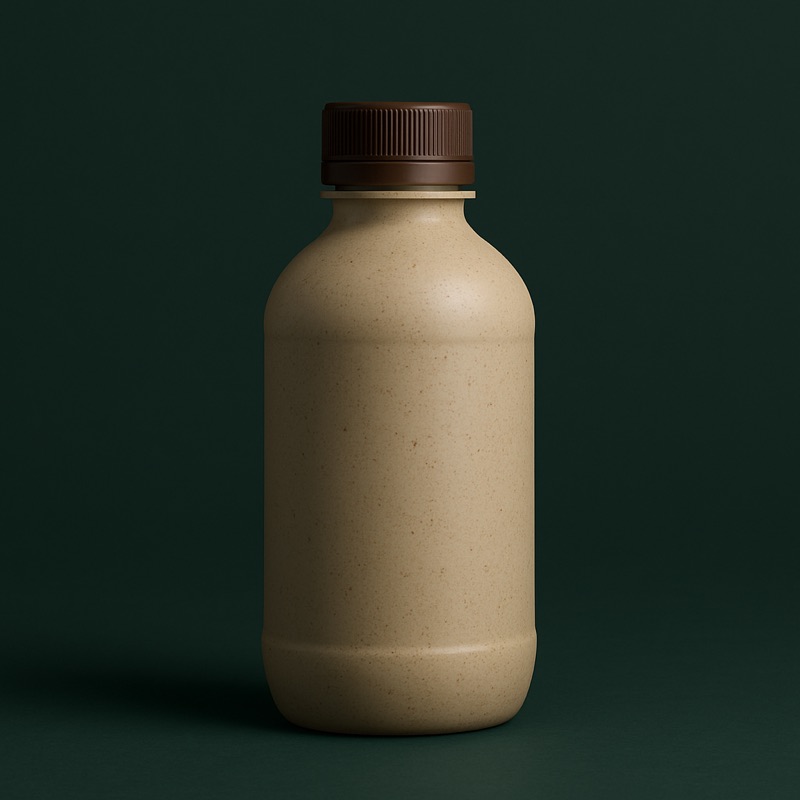
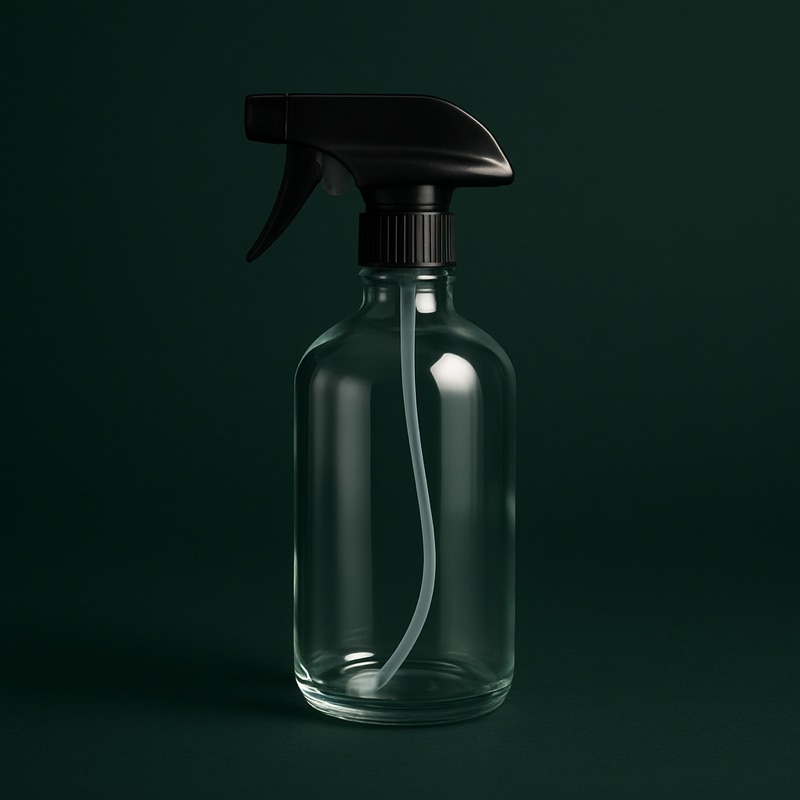
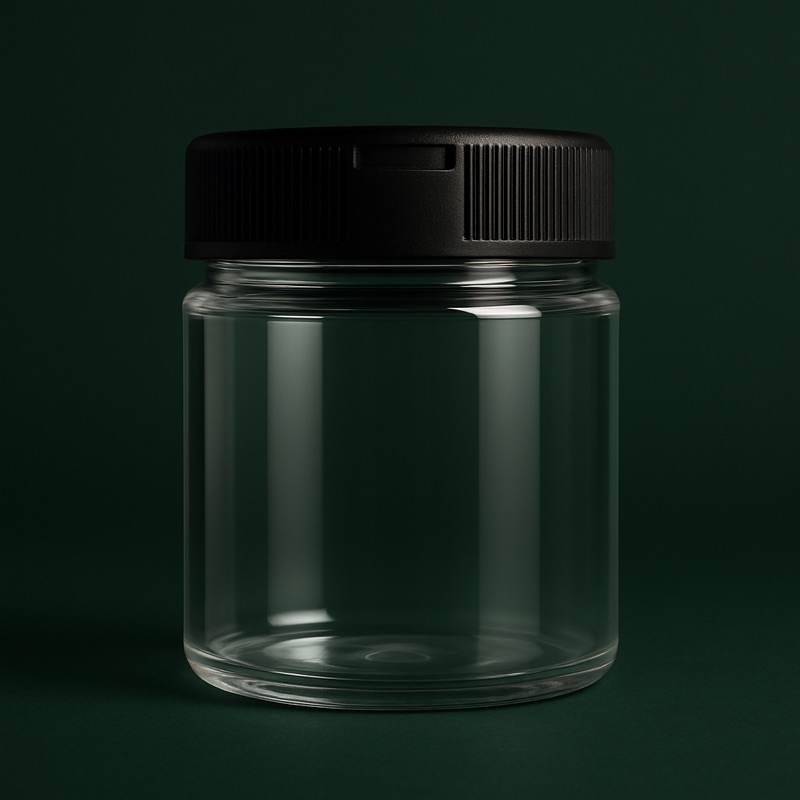
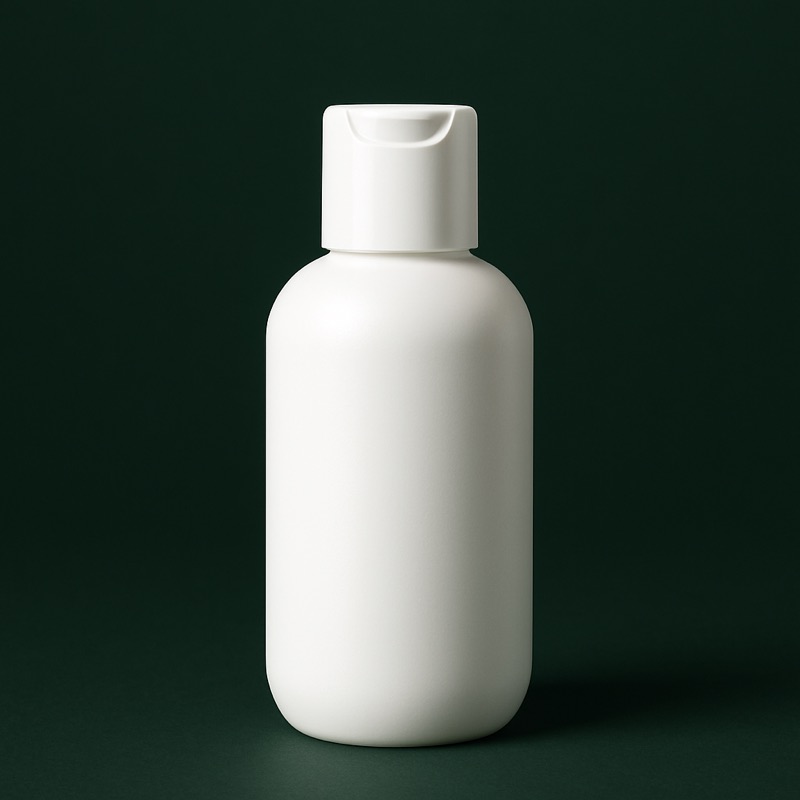
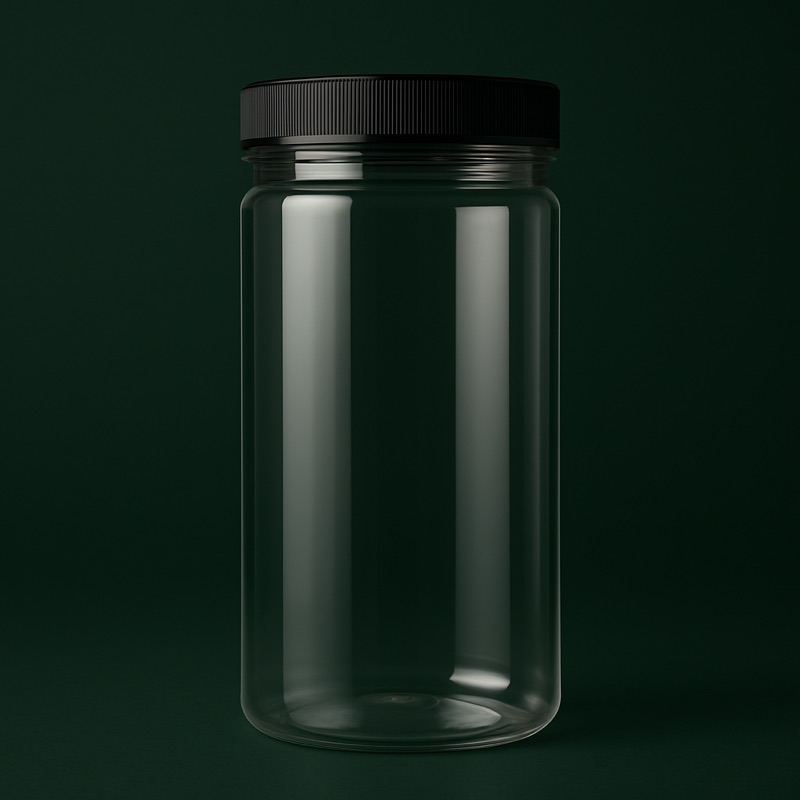
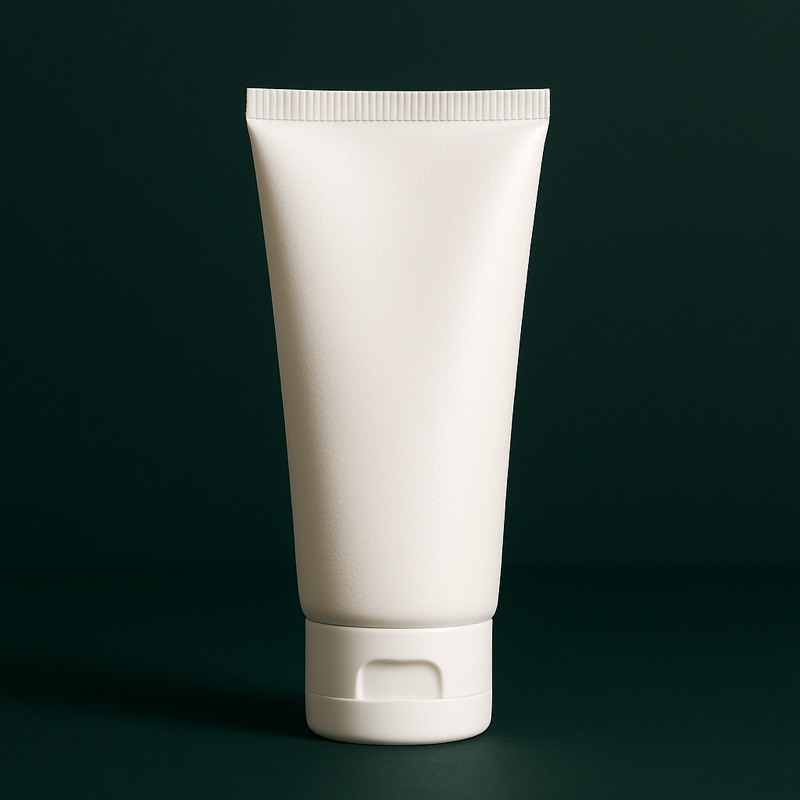
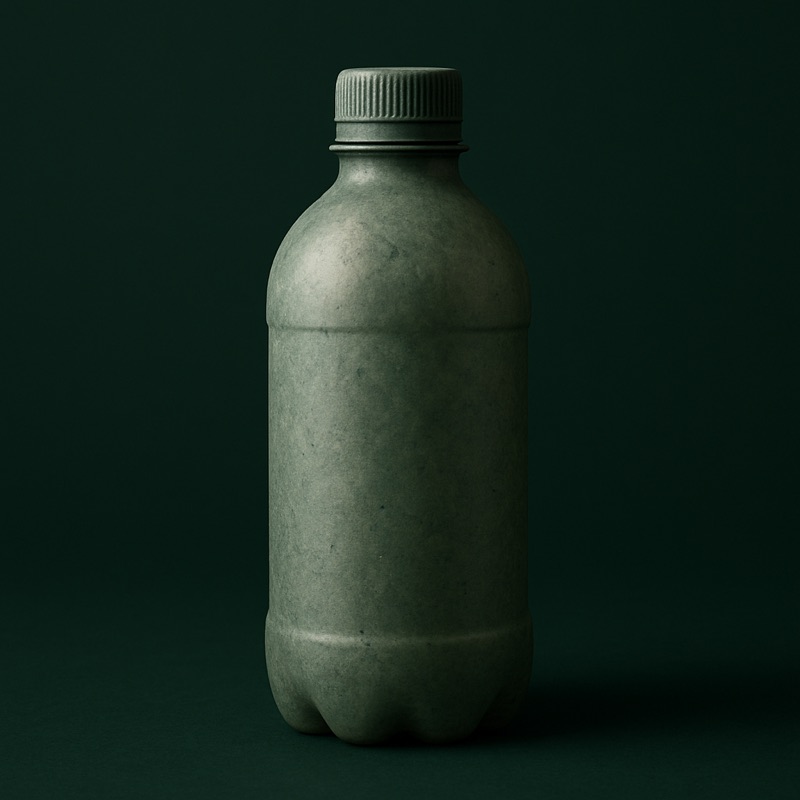
HDPE Plastic BottleDurable opaque bottle for supplements, powders, and cleaningPET Plastic BottleLightweight clear bottle for beverages and supplementsAmber PET BottleUV-resistant amber plastic bottle for supplements and oilsPCR Plastic BottlePost-consumer recycled plastic bottle for eco brandsSpray Bottle (Glass)Trigger spray bottle in borosilicate or soda-lime glassWide-Mouth Plastic JarEasy-access wide-mouth jar for powders, granules and bulk fillsDisc-Top BottlePress-open disc cap bottle for lotions and body washClear PET Cylinder JarTall cylindrical clear container for snacks and gummiesBoston Round BottleClassic round glass bottle for tinctures and liquidsSqueeze TubeFlexible plastic tube for creams, gels, and pastes
Dispensing
Trigger, mist, pump or pour.
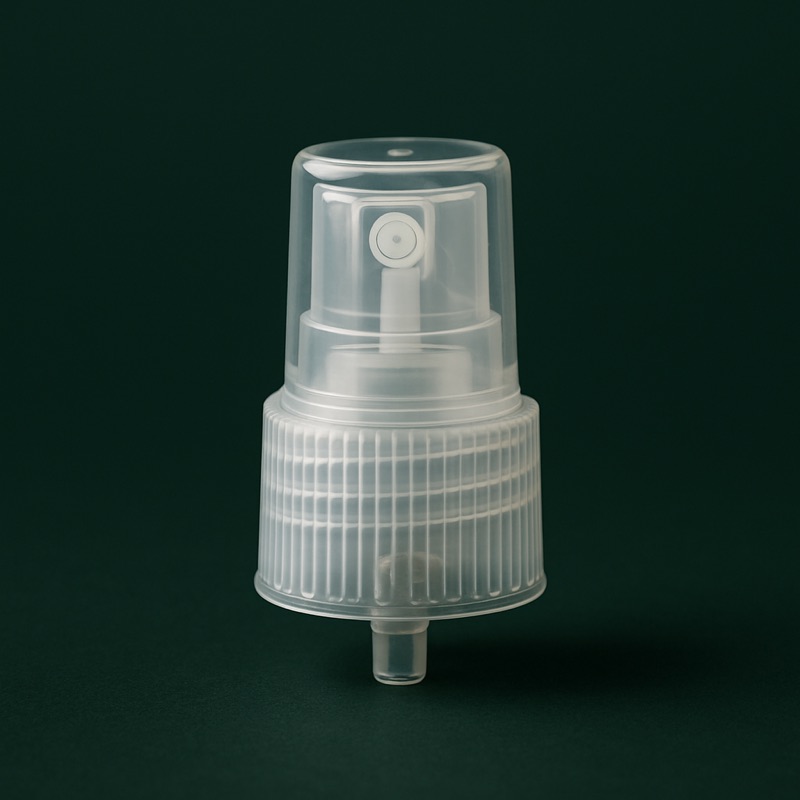
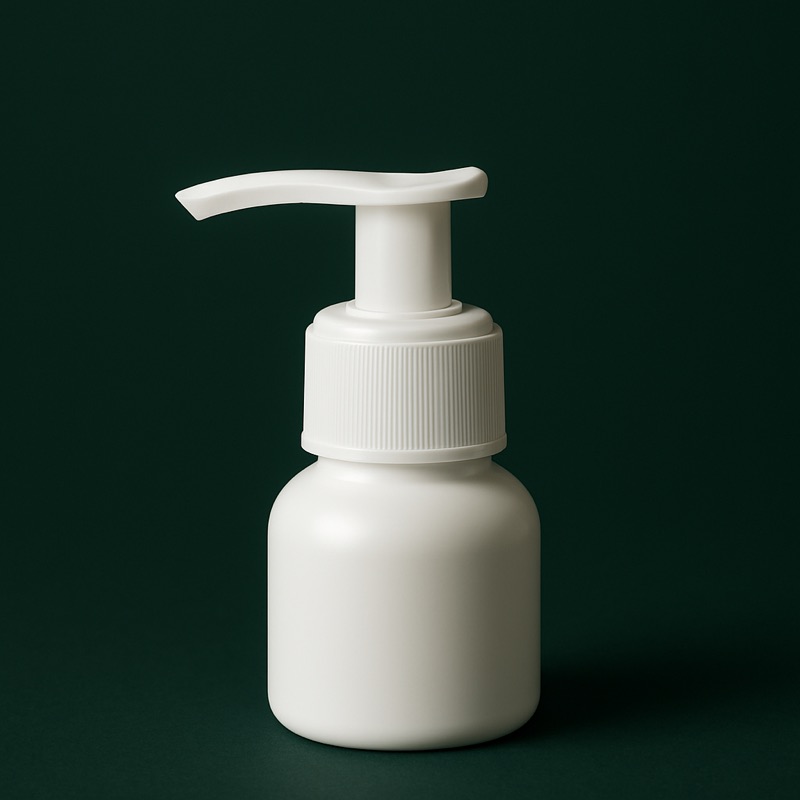
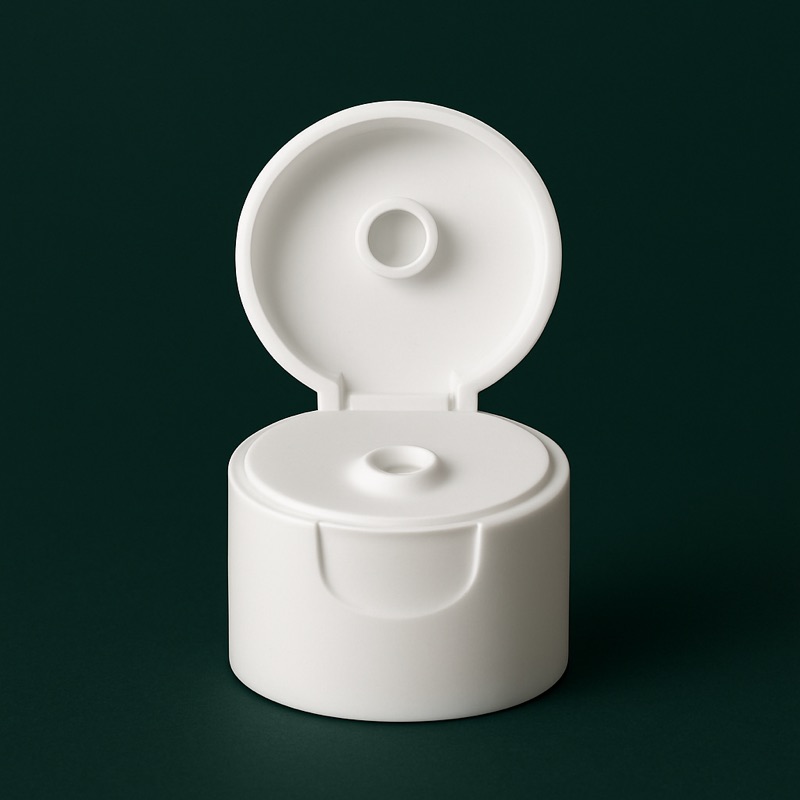
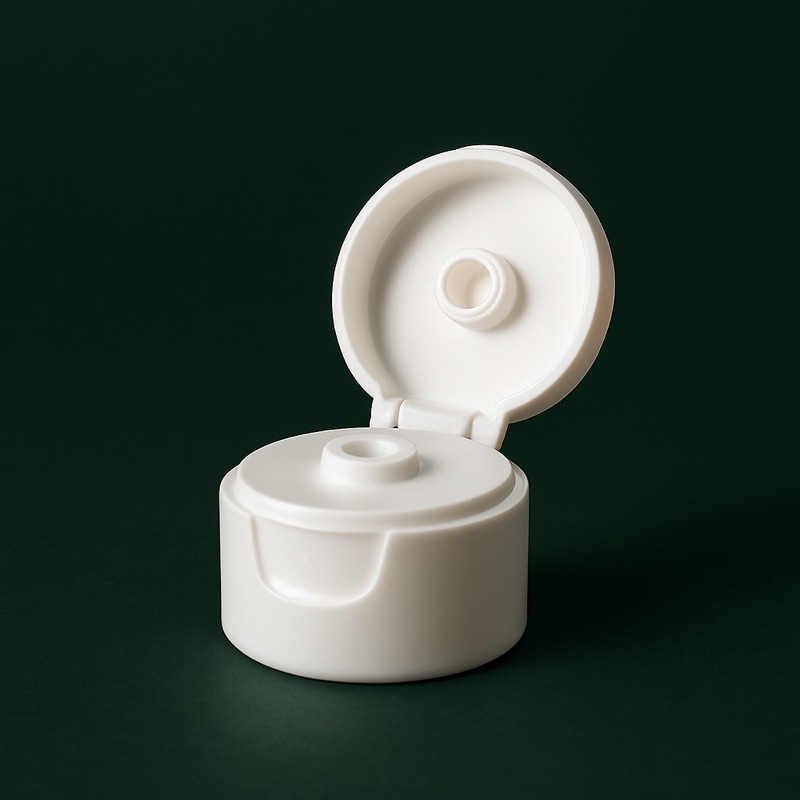
The cap is the user interface. A mist cap for glass and surface sprays, a pump for hand soaps and lotions, a disc top for controlled pour, a flip-top for thicker gels. Orifice size is matched to viscosity — an undersized orifice on a thick formula is the most common complaint in this whole category.
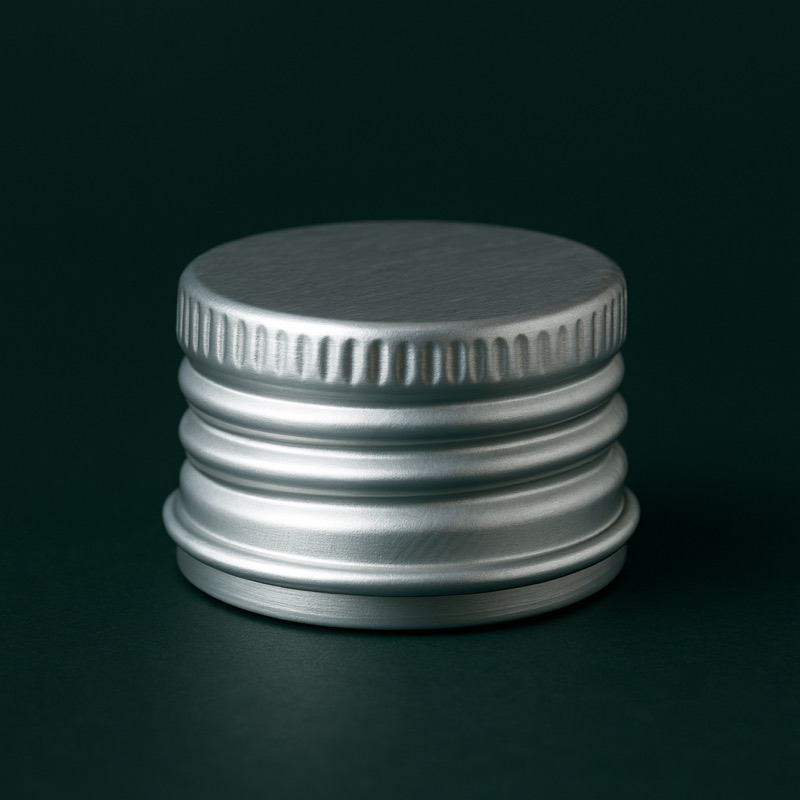
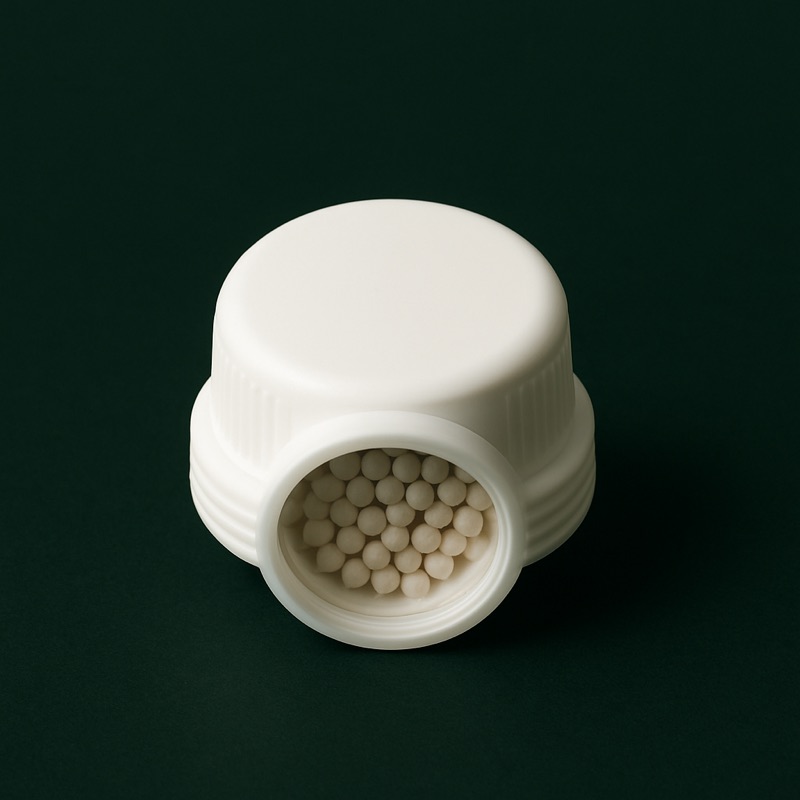
Spray / Mist CapFine mist or trigger spray nozzle for spray productsPump Dispenser CapLotion or serum pump for cream and liquid productsDisc Top CapPress-open flip cap for easy one-hand dispensingFlip-Top Snap CapHinged snap-open cap for squeeze bottles and tubesMetal Continuous Thread CapAluminum screw cap for premium glass bottlesChild-Resistant Screw CapCertified child-resistant screw closureChild-Resistant Locking LidCR-certified locking lid for jars and pharmaceutical containersInduction Seal Liner CapHeat-induction foil liner beneath cap for tamper evidenceDesiccant CapBuilt-in desiccant to absorb moisture for sensitive products
Refills
The concentrate-and-refill model.
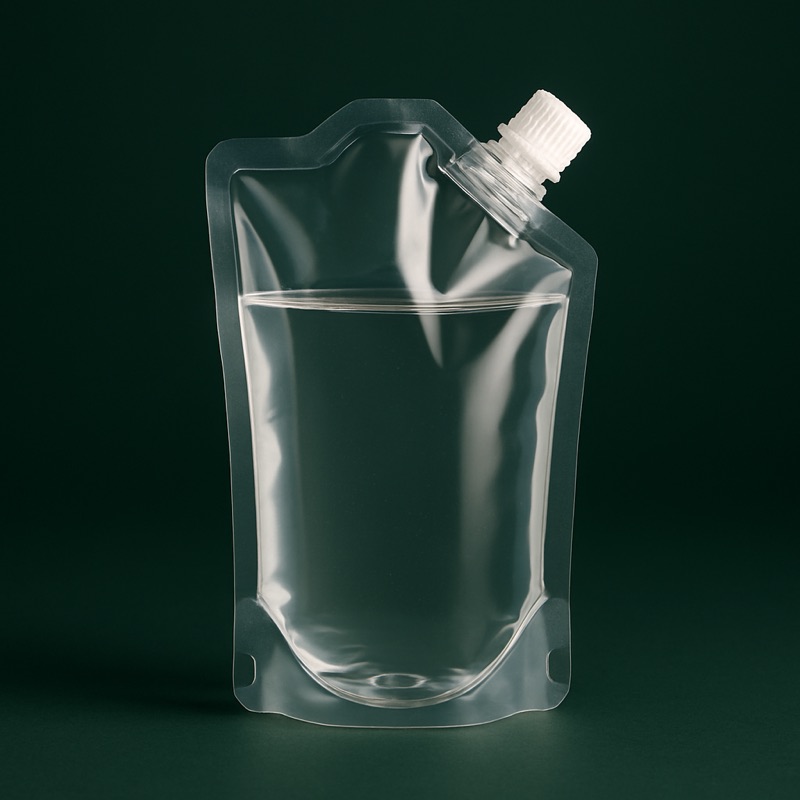
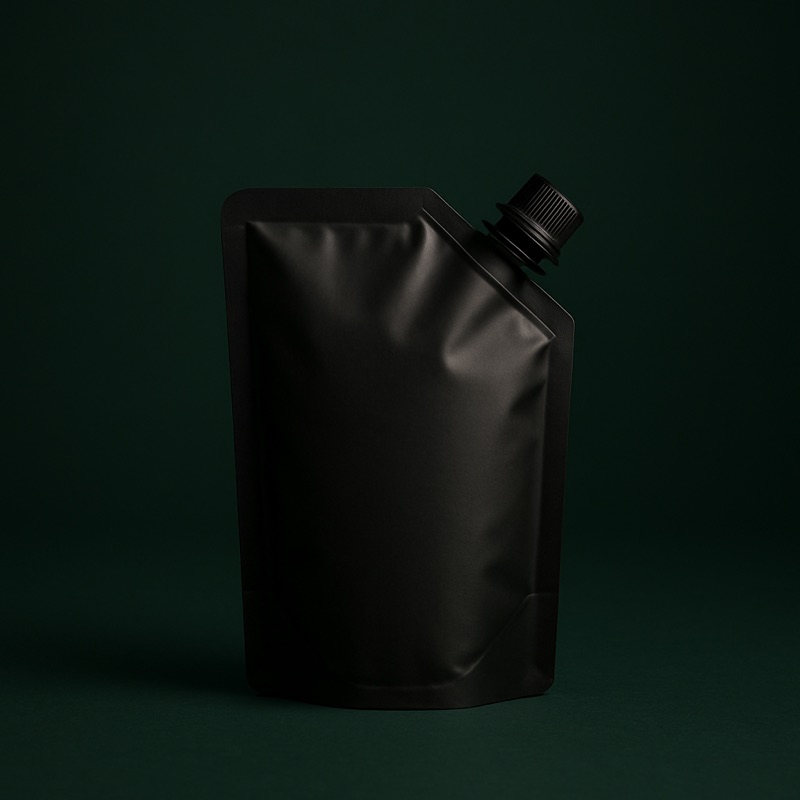
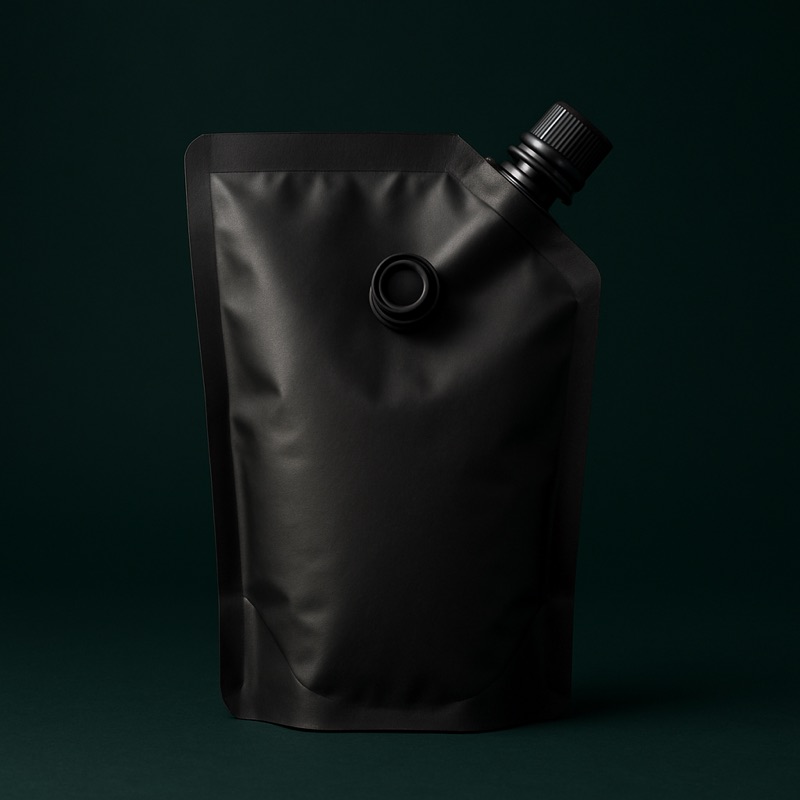
A refill pouch ships a fraction of the weight of a filled bottle and uses a fraction of the material. Sell the sprayer once, sell the refill forever. It is the rare sustainability move that is also the cheaper one per use.
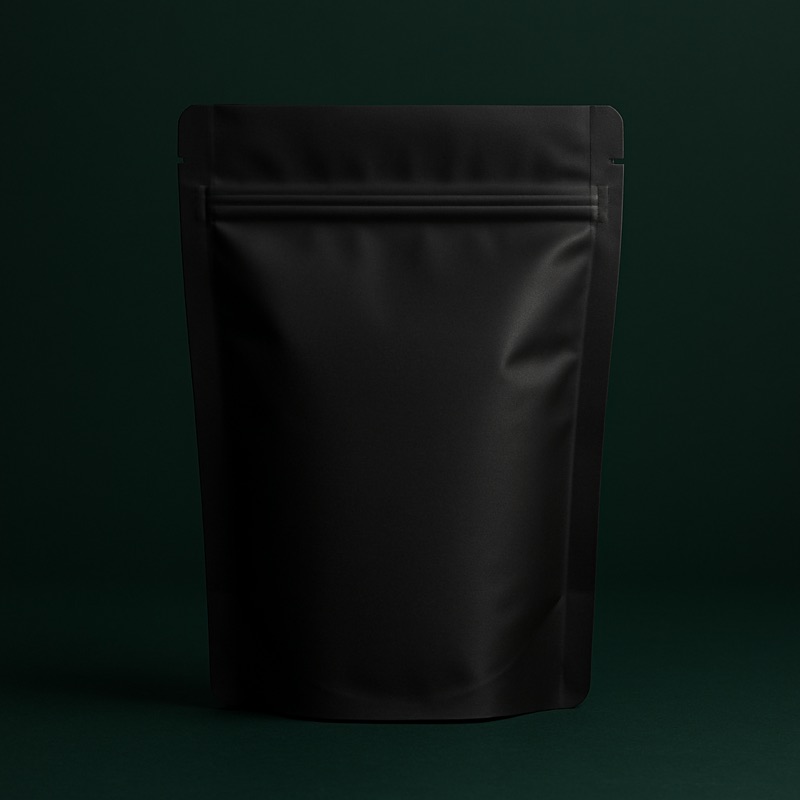
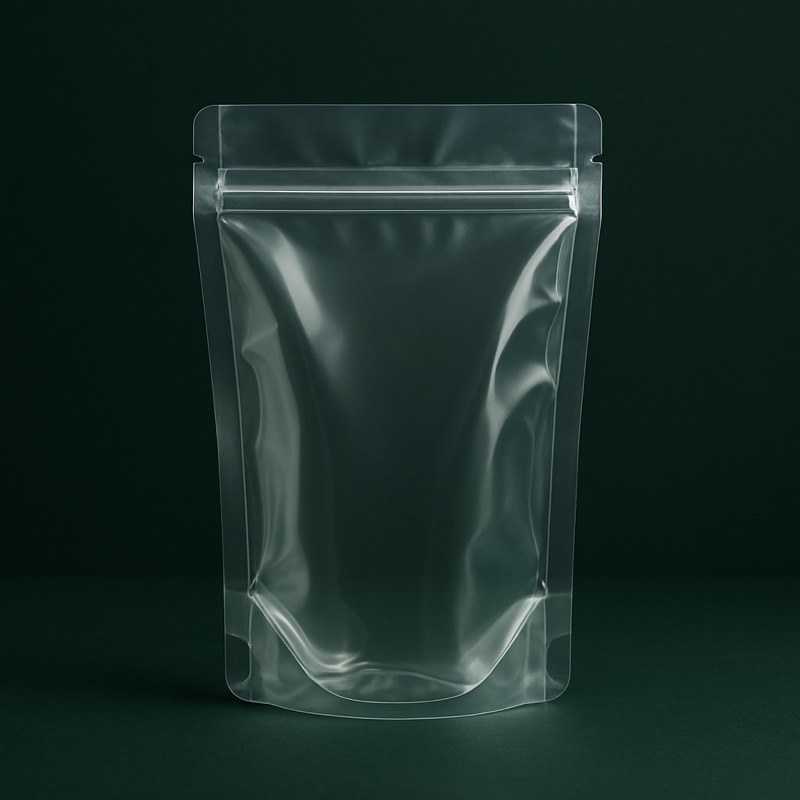
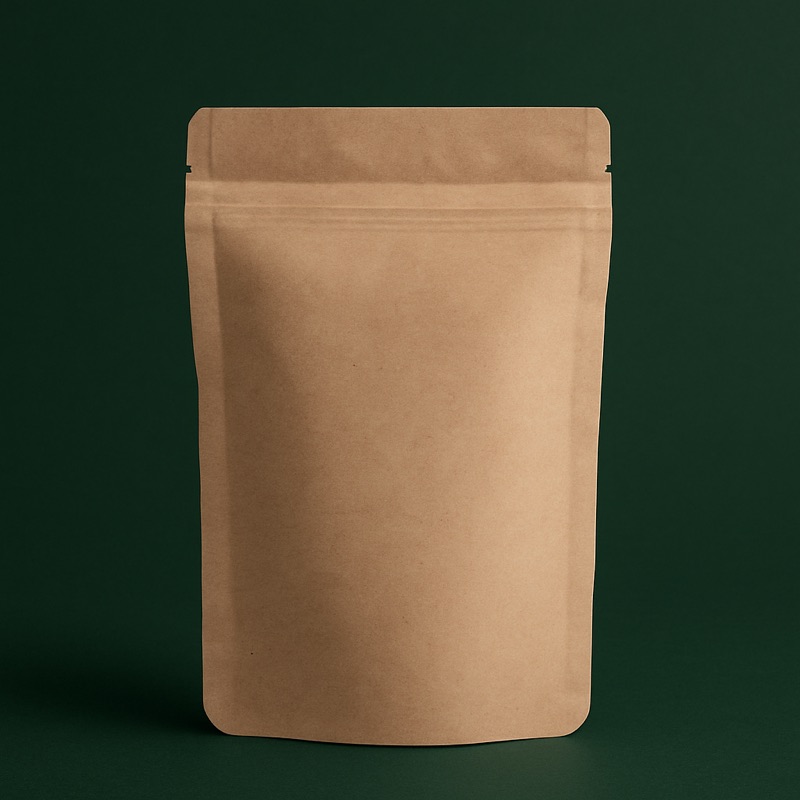
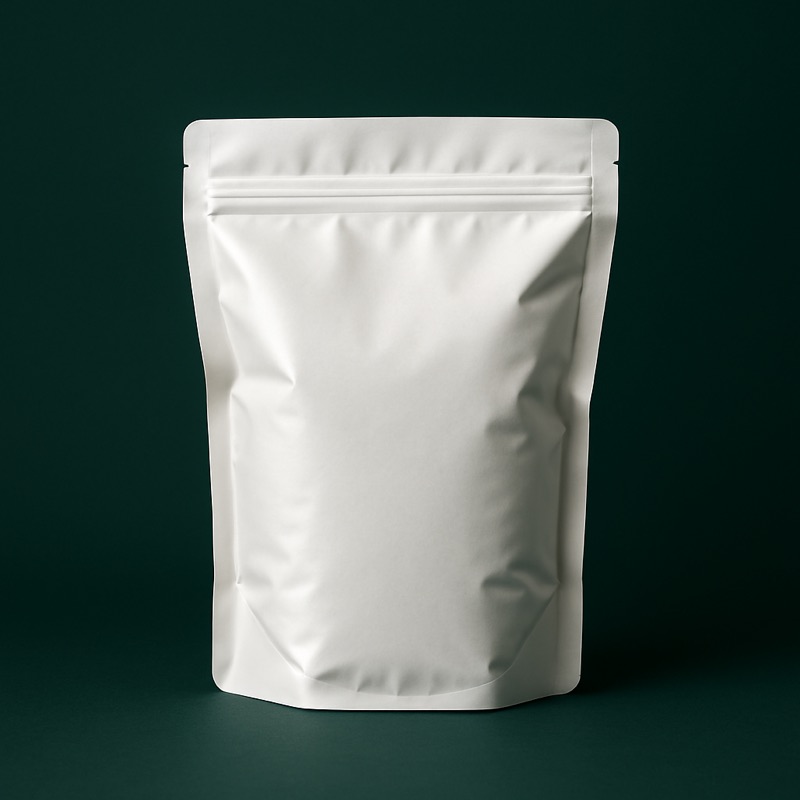
Liquid Spouted PouchSpout-top for beverages and liquid productsSpout PouchThreaded spout for liquid or viscous productsFitment PouchEmbedded fitment/valve for controlled dispensingStand-Up Pouch (SUP)Self-standing pouch for retail shelf presenceRecyclable Mono-Material PouchSingle-material for recycling streamPCR Recycled Content PouchMade with post-consumer recycled materialPCR Plastic PackagingPost-consumer recycled resin for bottles and containersPowder / Granule PouchWide-mouth design for loose fill products
Safety
Child-resistance and tamper evidence.
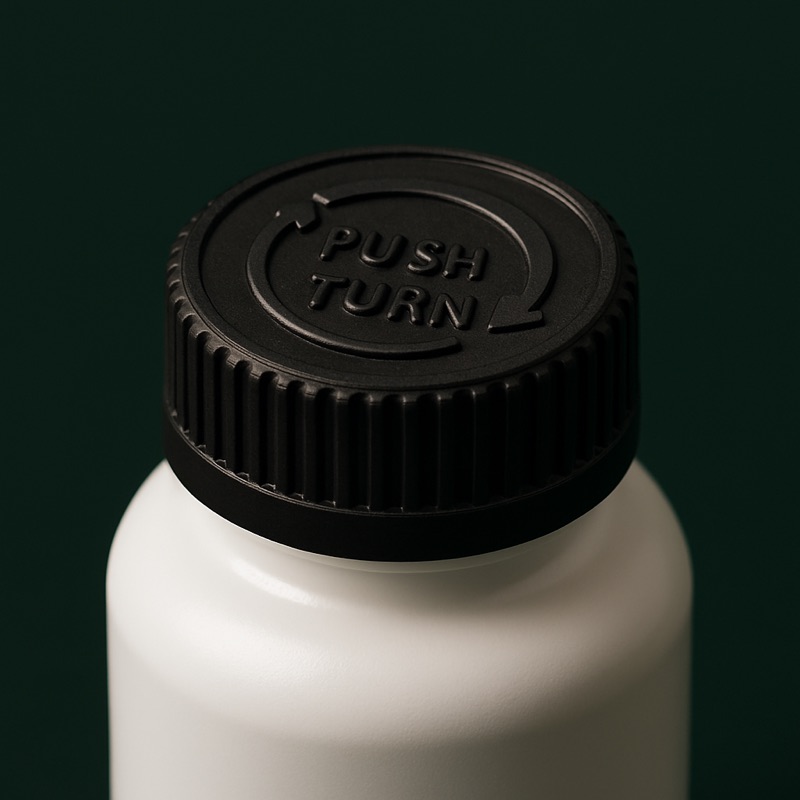
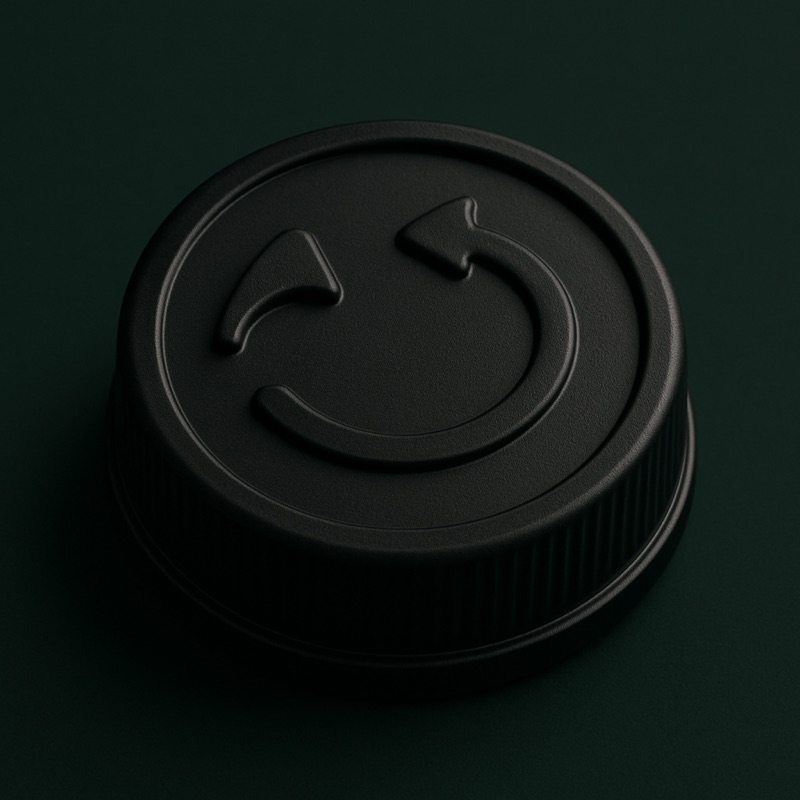
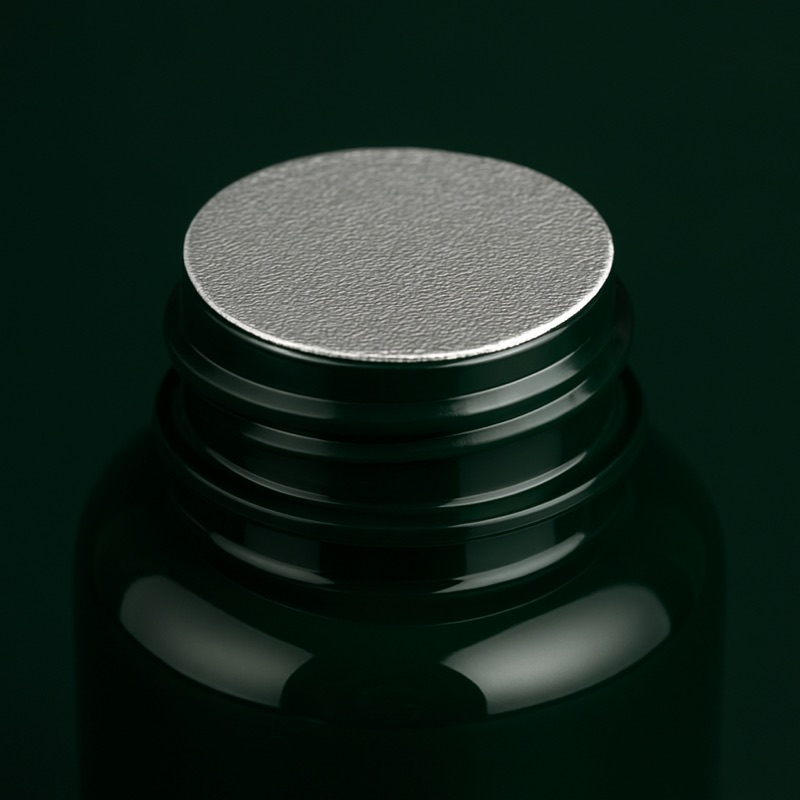
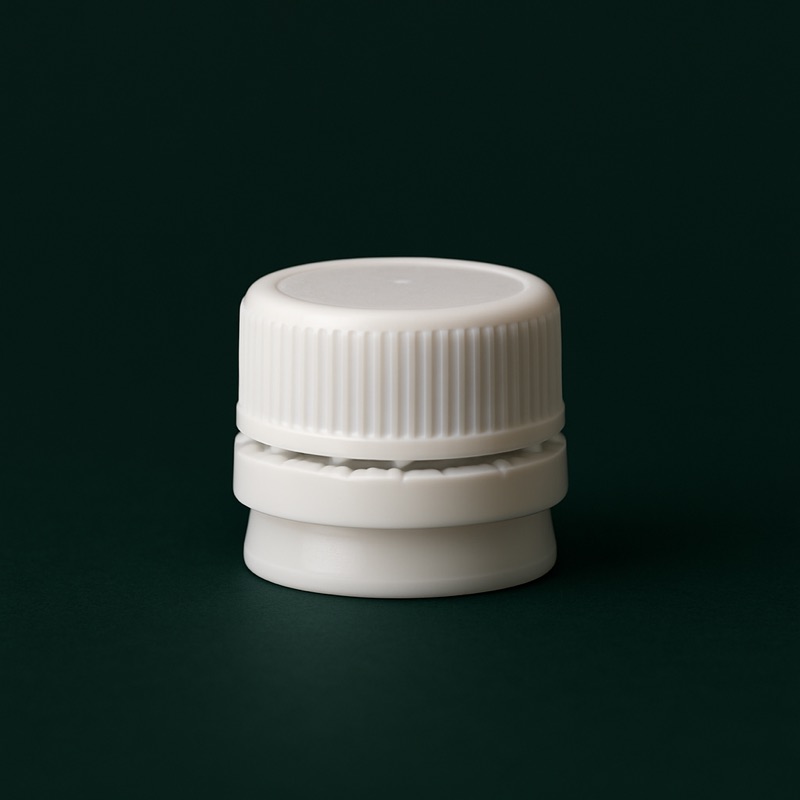
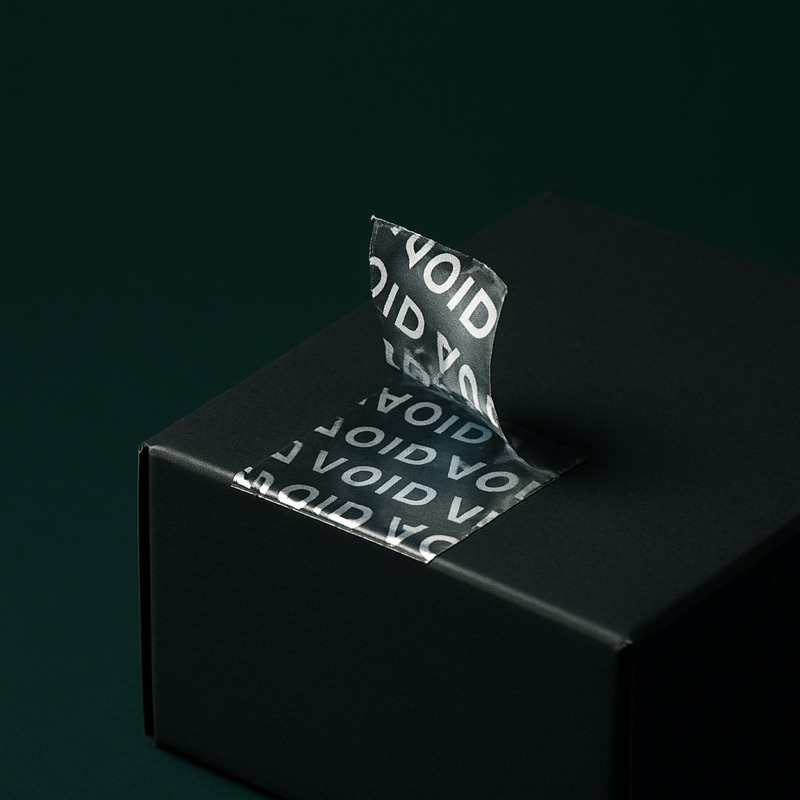
A long list of household chemistries require child-resistant packaging by regulation. We supply certified CR screw caps and locking lids. Tamper evidence is a separate layer — induction seals and breakable bands — and on a consumer chemical it is worth having both.
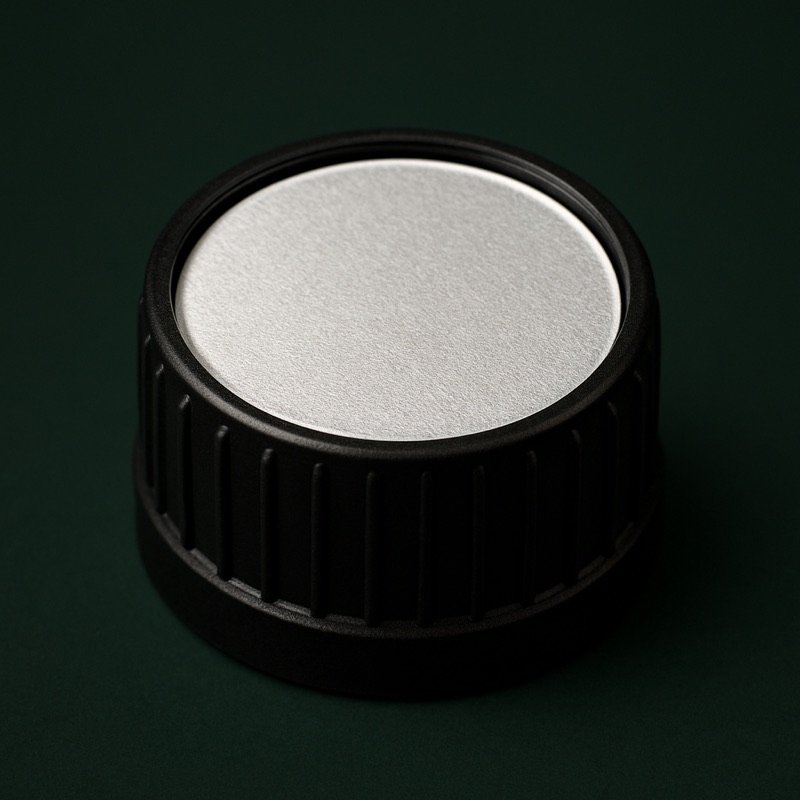
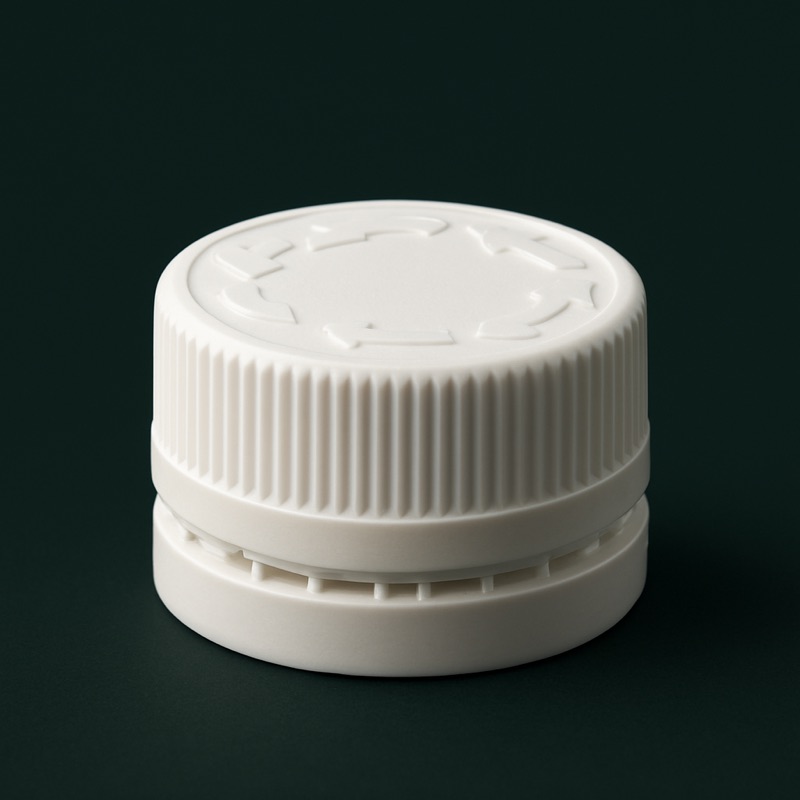
Child-Resistant Screw CapCertified child-resistant screw closureChild-Resistant Locking LidCR-certified locking lid for jars and pharmaceutical containersChild-Resistant + Tamper Evident ComboCR-compliant closure with integrated tamper evidenceInduction Seal (Foil Liner)Heat-bonded foil liner inside cap fuses to container rimBreakable Cap BandTear-away cap band that snaps on first twist openTamper-Evident Void LabelLeaves permanent VOID pattern if removedShrink Sleeve BandFull-body or neck shrink sleeve that breaks on first openSecurity Hologram LabelHolographic label that cannot be replicated or restuck
Specifying it
How to spec cleaning product packaging.
Compatibility comes first and everything else is downstream of it. Send the formula, or at minimum its pH, solvent content and any surfactant system. A resin that looks fine on day one can stress-crack, swell or panel months later, and that failure shows up in a customer's cupboard rather than in your QC.
Then specify the dispensing behaviour you want, in plain terms: a fine mist, a wet spray, a controlled stream, a thick ribbon. Each maps to a different closure and orifice, and matching them to viscosity is what separates a product that feels well made from one that spits.
Establish early whether the product requires child-resistant packaging. A large number of household chemistries do, by regulation, and CR closures constrain the neck finish. Discovering the requirement after the bottles are tooled is expensive.
If a refill programme is part of the plan, design the primary bottle for refilling from the start — a mouth wide enough to pour into without a funnel, and graduations if the refill is a concentrate that needs diluting.
Pitfalls
What goes wrong.
PET with the wrong chemistry. PET is clear, cheap and widely available, and it is not compatible with a number of common solvents and high-pH formulas. HDPE is the safer default for cleaning chemistry even though it gives up clarity.
Sprayers that clog on thick formulas. A mist cap designed for a water-thin glass cleaner will clog on a viscous degreaser within a few uses. Orifice and dip-tube diameter are matched to viscosity, not chosen from a catalogue photograph.
PCR resin specified without a colour conversation. Recycled content varies in tint batch to batch. On an opaque bottle nobody notices; on a clear or pastel one the variation is visible between production runs. Decide which matters more before committing.
Labels that dissolve on contact with the product. Cleaning products leak, drip and get handled with wet hands. A paper label with a standard adhesive will not last. Specify a synthetic facestock and an adhesive rated for the chemistry.
Cost drivers
What moves the price.
Resin choice and bottle weight set the base, and compatibility constrains the choice before price does. HDPE is not expensive, but if the formula rules out PET then PET's lower price is irrelevant.
Closures are where cleaning packaging quietly gets expensive. A trigger sprayer or a lotion pump is a multi-component assembly and can cost more than the bottle it sits on. A certified child-resistant closure adds more again — and where regulation requires it, it is not a line you can cut.
Refill formats are the one lever that reduces cost and material at the same time. A spouted refill pouch delivers the same volume of product for a fraction of the packaging weight, which shows up in both the unit price and the freight bill.
Volume moves all of it. The jump from 1,000 to 5,000 units is the single largest percentage drop you will see, because the fixed setup is spread across five times the run. Quotes here are all-in — tooling, printing, finishing and packing in one number — and reorders carry no setup fee, so the second run of the same artwork is always cheaper than the first.
Printing & finish
Every printing & finish option.
Every decoration below runs on labels, shrink sleeves and outer cartons. Pantone spot matching is standard, not an upcharge tier, and artwork files stay on record for 24 months so a reorder is a single email.
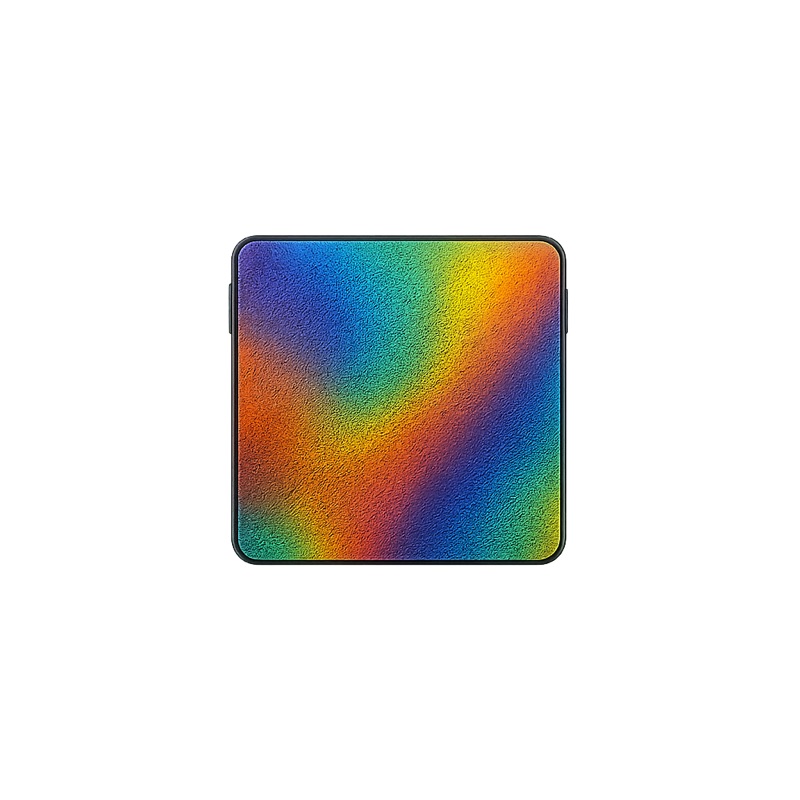
Soft Touch / Velvet LaminationVelvety tactile matte laminate that feels luxuriousMatte LaminationSmooth non-reflective matte film for sophisticated lookGloss LaminationHigh-shine protective gloss film over printSpot UV CoatingGlossy UV resin applied to selected design elementsGold Foil StampingMetallic gold foil pressed into substrate for luxury accentSilver Foil StampingMetallic silver foil stamping for premium highlightsHolographic Foil StampingRainbow-spectrum holographic foil for bold visual impactEmbossingRaised relief design pressed into packaging surfaceDebossingRecessed impression pressed into the packaging substratePantone Spot Color MatchingExact Pantone ink match for precise brand color consistencyDie CuttingCustom shape cut from flat packaging materialTextured Paper / BoardLinen, canvas, or felt-textured substrate for tactile branding
Process
From sample to shelf.
Send the formula or at least its pH and solvent content, plus the fill volume. Compatibility is the gate — everything else is styling.
1 · SpecTell us the fillvolume, weight or dimensions — we spec the format
3 · ArtworkDieline & proofin-house design at $75–$150/hr if you need it
4 · ProductionAs few as 5 business daysfor printed pouches and boxes, from artwork approval (up to 15), then delivered to all 50 states in as soon as 4 days with Expedited (up to 12) or 25 days with Standard (up to 35)
FAQ
Questions, answered.
How much does custom cleaning product packaging cost?
Bottles start around $0.35 and refill pouches around $0.05, with the closure quoted separately. Quotes are all-in, with no setup fees on reorders.
What is the minimum order?
Custom pouches start at 500 bags per design, labels and boxes at 100 and mailers at 500 with a one-color logo (5,000 in full color), all priced instantly and ordered online. Other formats are priced on request, and multiple SKUs can share a production run.
HDPE or PET for cleaning products?
HDPE for most cleaning chemistry — it handles surfactants and solvents that will stress-crack PET. PET where clarity matters and the formula is mild. Send the formula and we check compatibility before quoting.
Do you supply child-resistant closures?
Yes — certified CR screw caps and locking lids. Many household chemistries require them by regulation.
Can you do refill pouches?
Yes. Spouted and fitment refill pouches ship far lighter than filled bottles and use much less material per use.
Is recycled resin available?
Yes — PCR bottles and PCR-content pouches. We'll tell you where PCR affects clarity or colour consistency before you commit to it.
What do you need to check compatibility?
The formula, or at minimum pH, solvent content and surfactant system. Incompatible resin can stress-crack, swell or panel months later — in a customer's cupboard rather than your QC.
Why does my sprayer clog?
Almost always an orifice and dip-tube sized for a thinner formula. Both are matched to viscosity, not selected from a catalogue image.
Does PCR resin change how the bottle looks?
On opaque bottles, no. On clear or pastel ones, recycled content varies in tint between batches and it is visible run to run. Worth deciding before you commit.
How do I design for refills?
Give the primary bottle a mouth wide enough to pour into without a funnel, and add graduations if the refill is a concentrate that needs diluting. Retrofitting this is harder than designing it in.