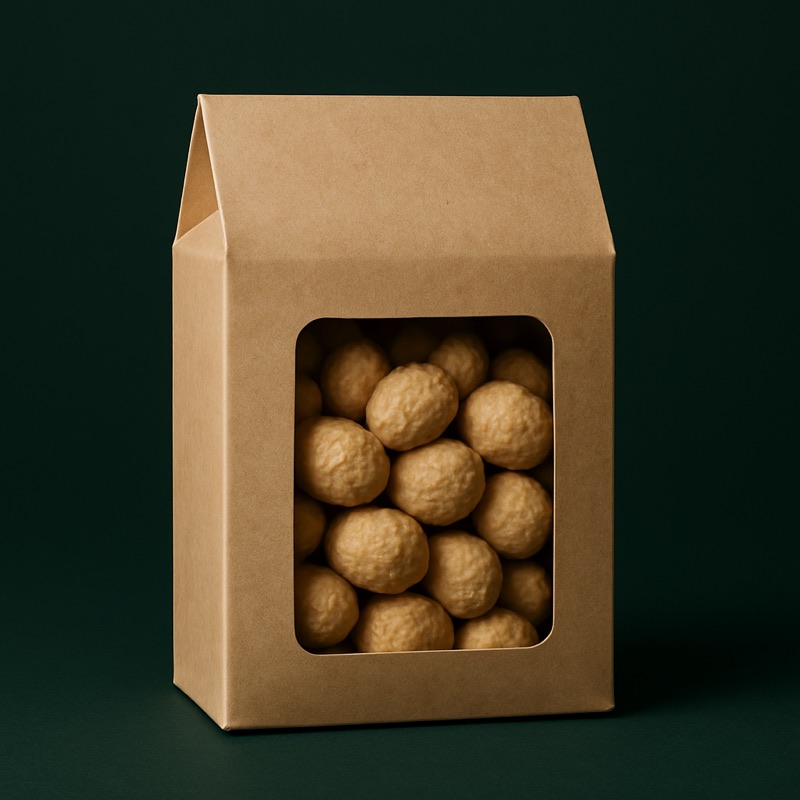
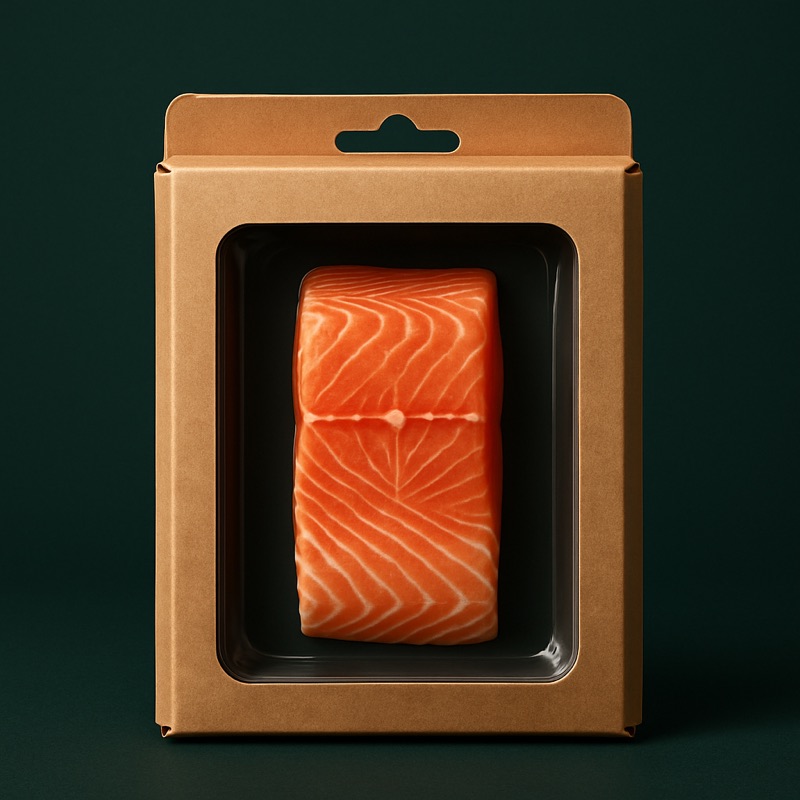
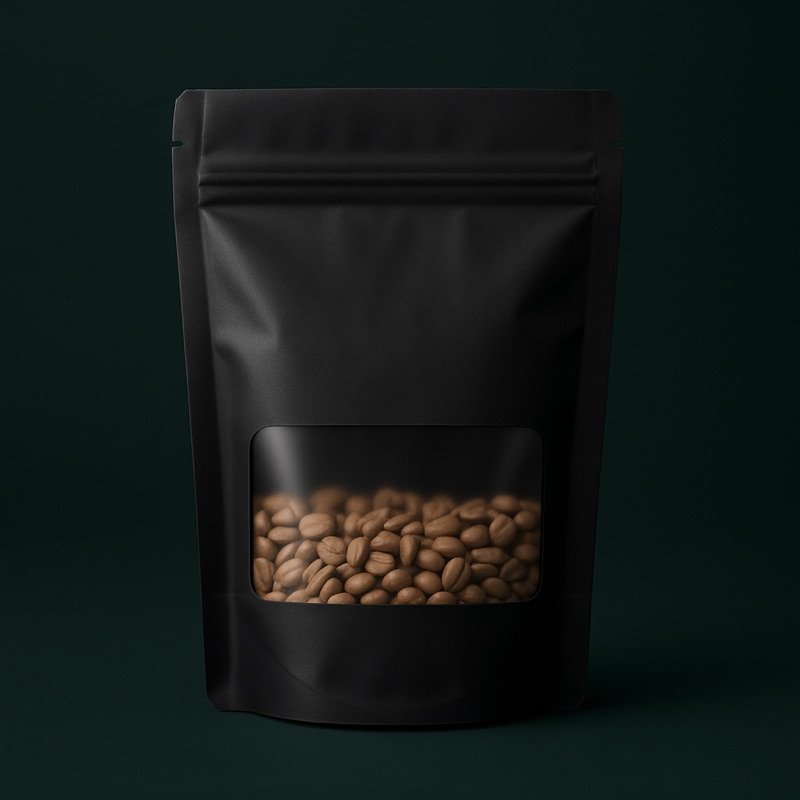
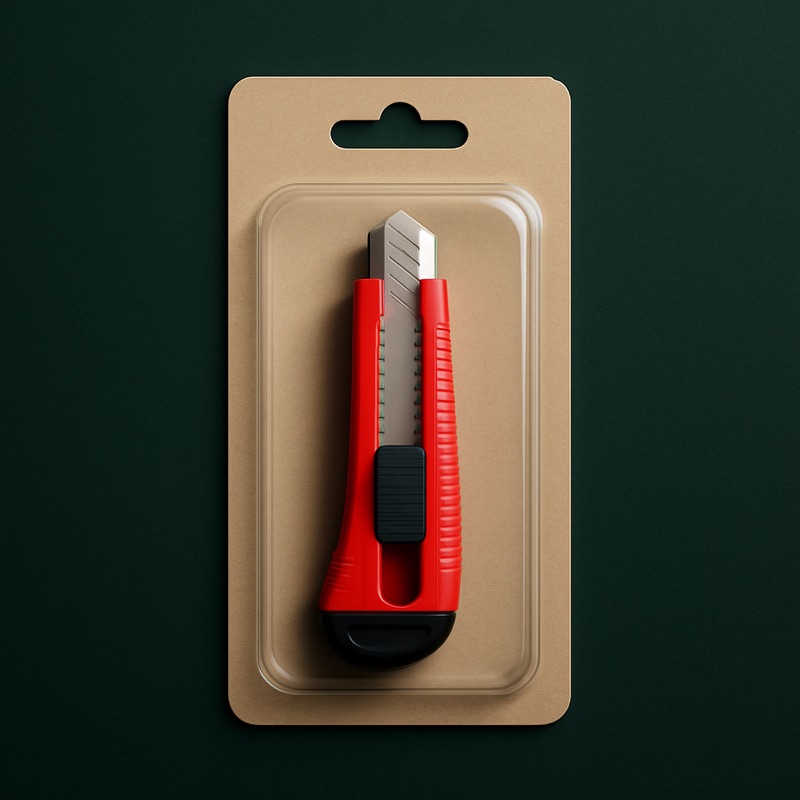
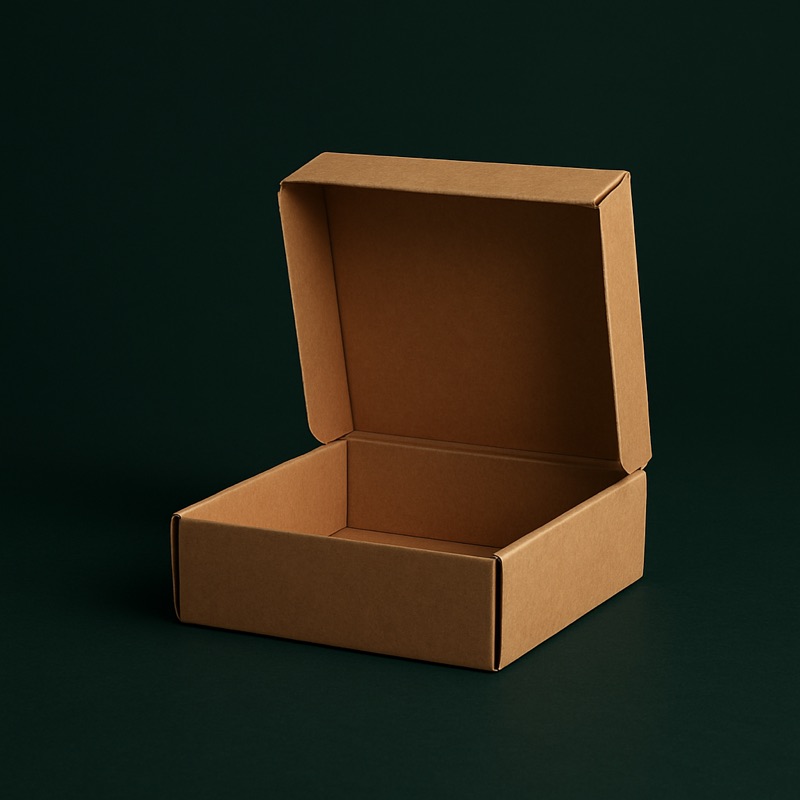
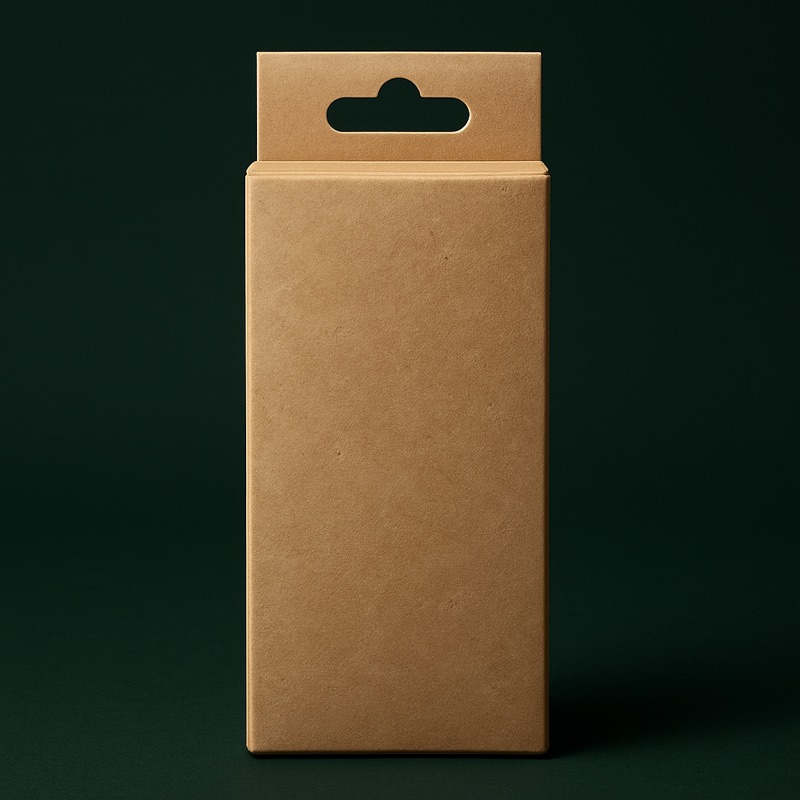
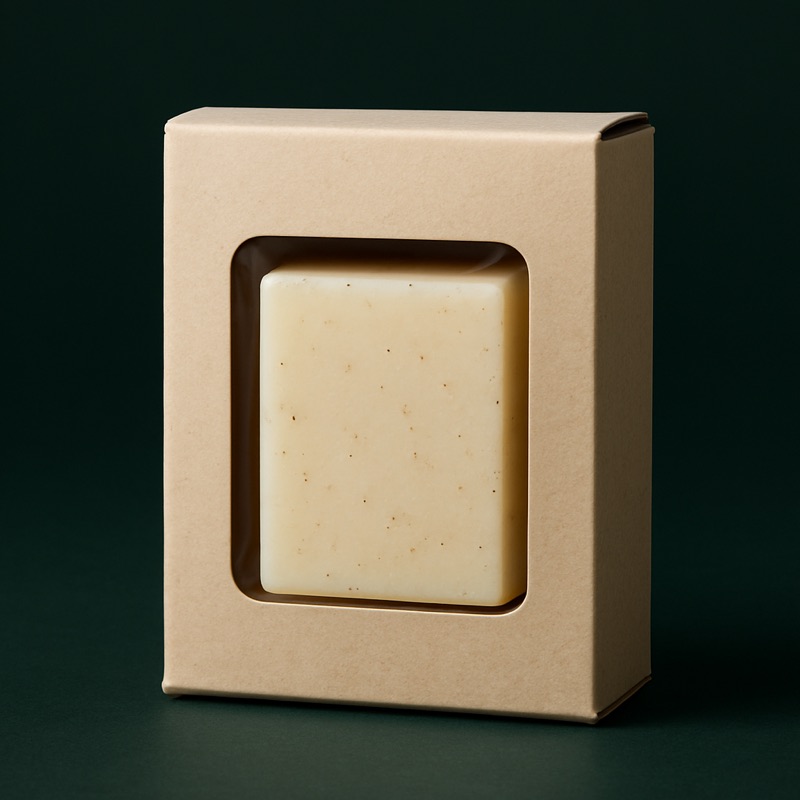
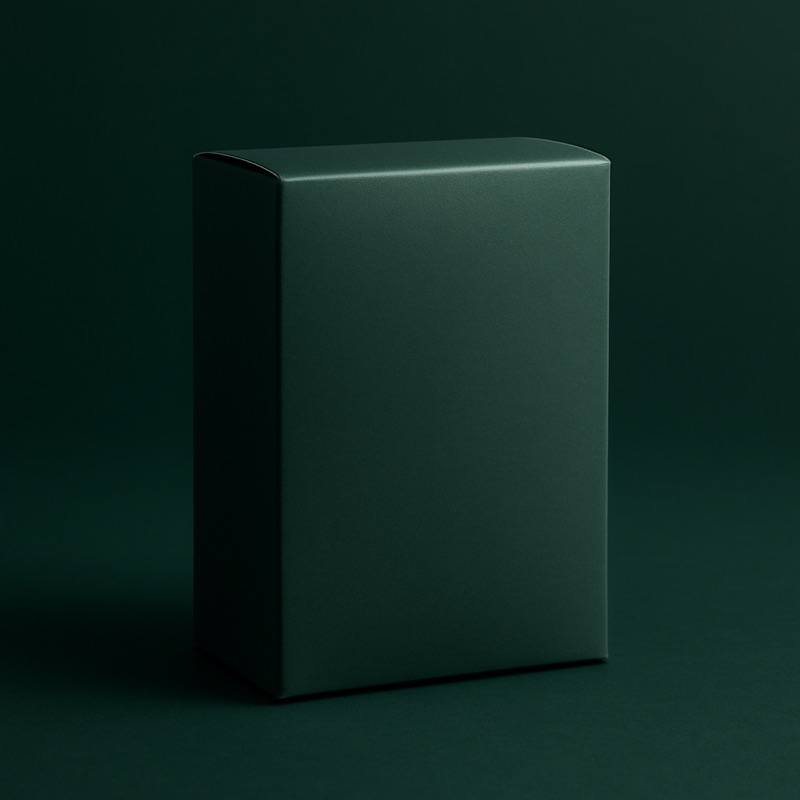
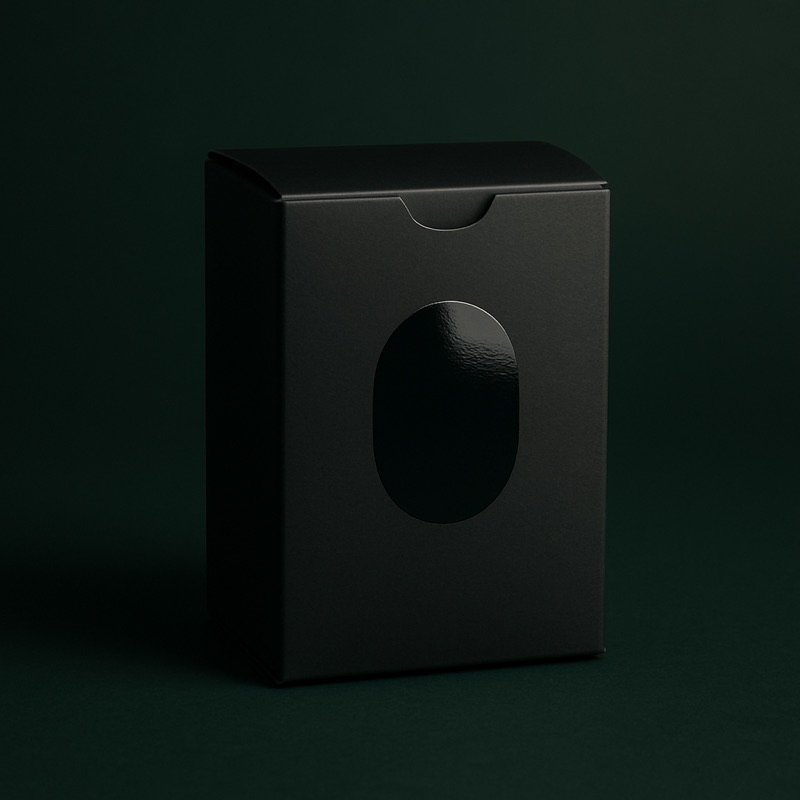
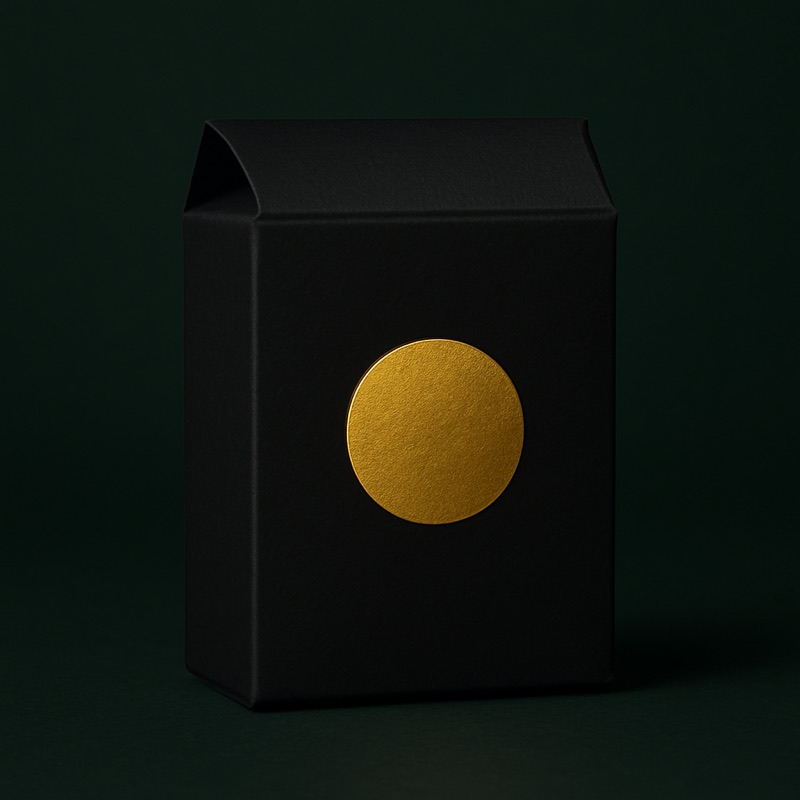
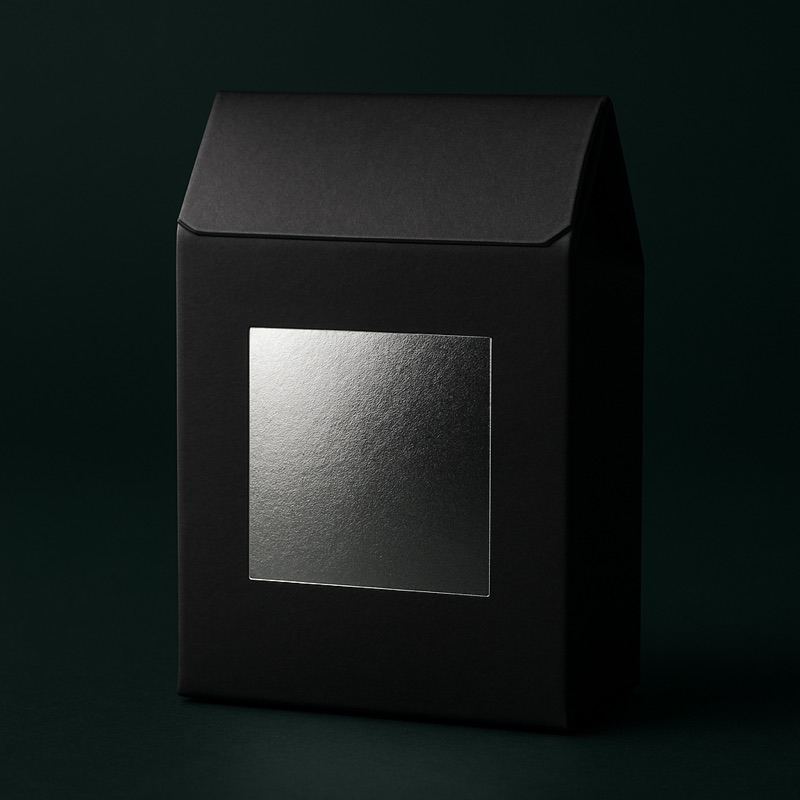
A window earns its place when the product sells itself — colour, texture, a shape a photograph cannot carry. TWO Packaging cuts and films them into folding cartons, rigid boxes, mailers, clamshells and pouches, in any aperture shape a die can hold, priced instantly online at about $0.15–$6.50 each.
Board4pt – 6ptplus corrugated and rigid chipboard options
ProductionAs few as 5 daysbusiness days from artwork approval (up to 15), then delivery in as soon as 4 days Expedited or 25 days Standard
Custom Window Boxes
Window formats.
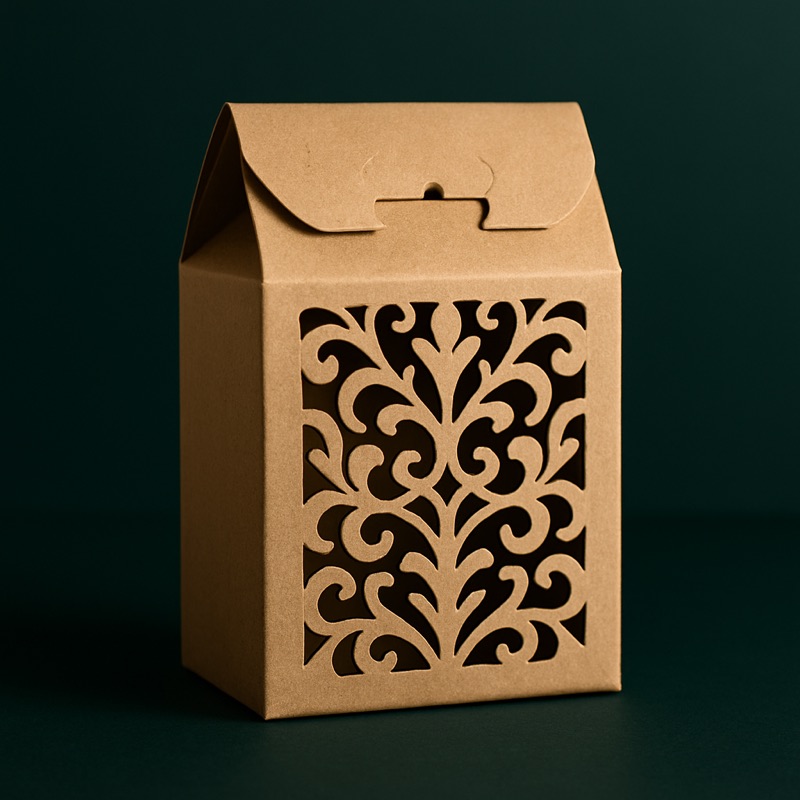
The aperture is a die cut; the clarity is a film laminated behind it. Any shape you can draw, a die can cut — but leave enough board around the opening or the carton loses its rigidity where it needs it most, at the face panel.
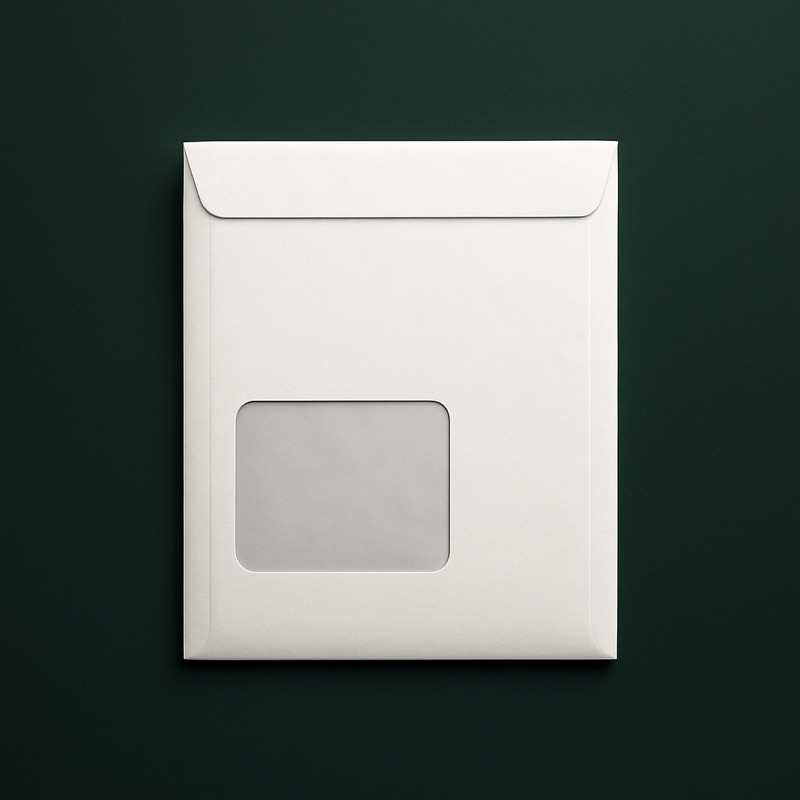
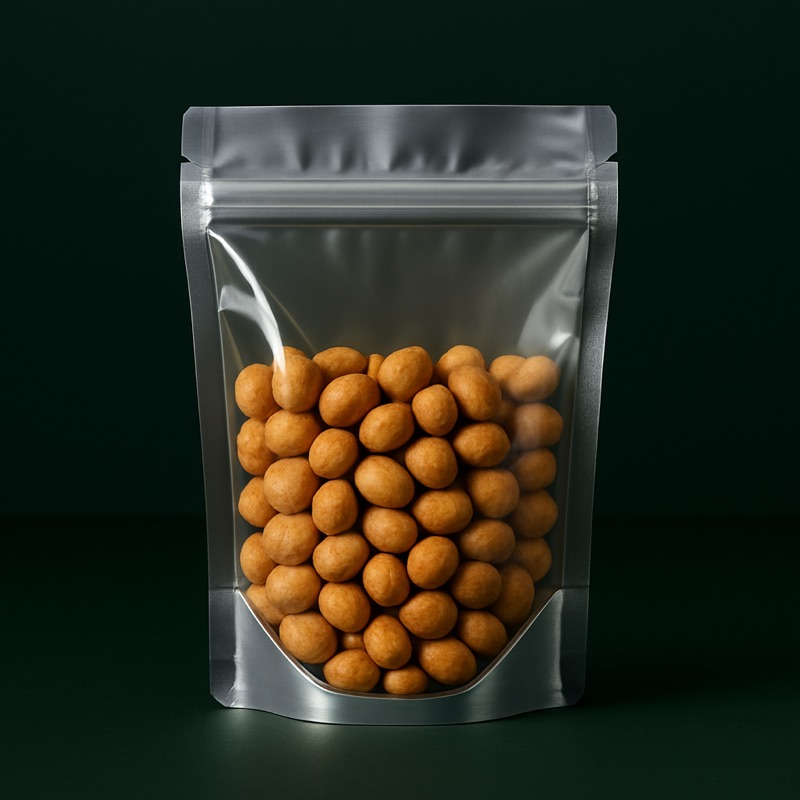
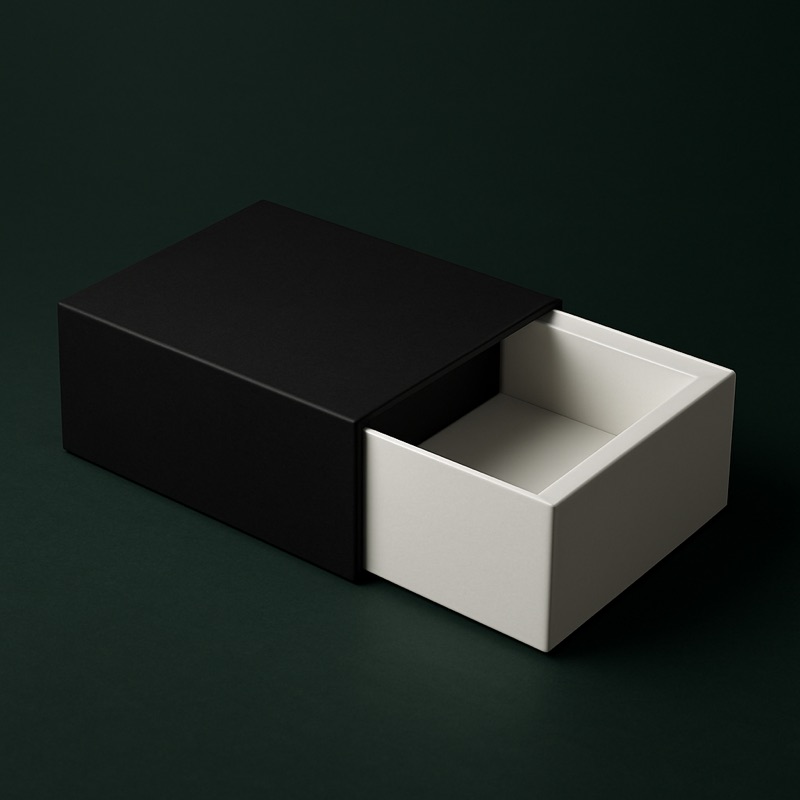
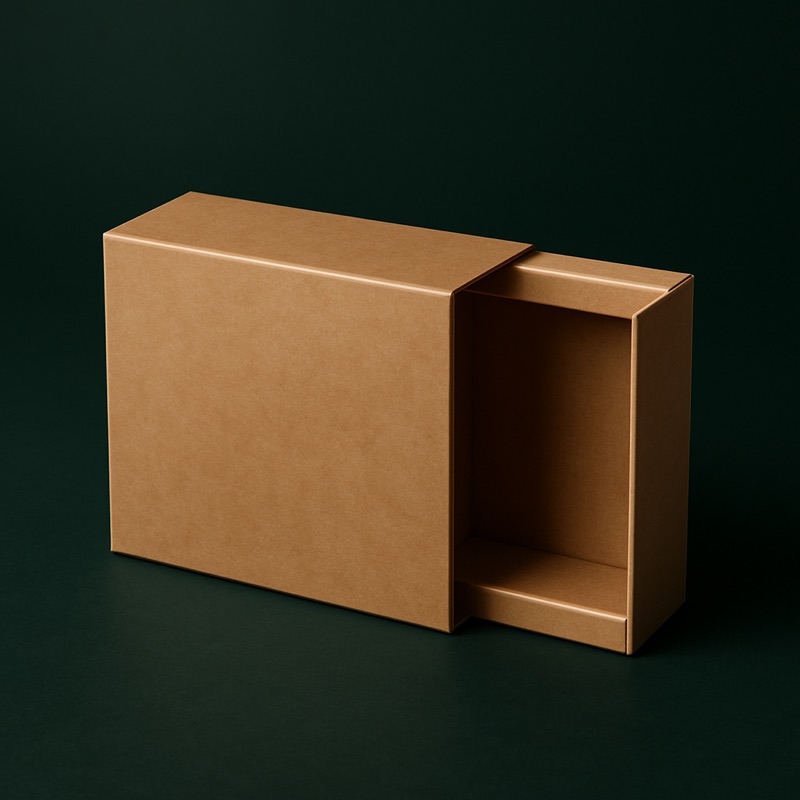
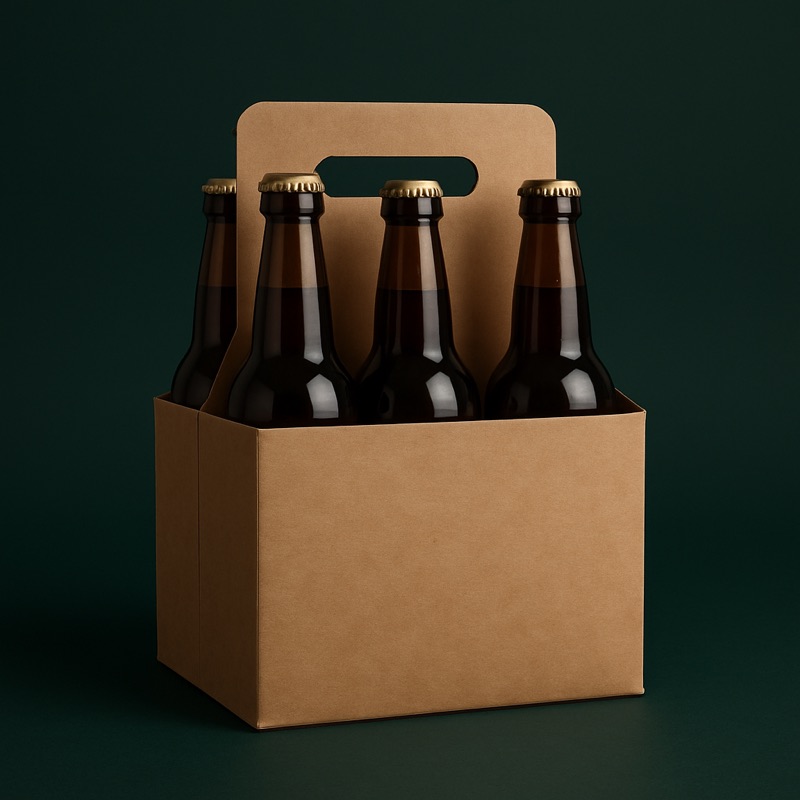
Window BoxDie-cut window panel to show product insideBellybrand BoxWrap-around label window shows product through open frontWindow ClamshellBlister clamshell with full front windowWindowed MailerClear panel window for address card visibilityClear-Front / Window MylarTransparent front panel shows productVista / Window PouchLarge clear window panel on frontRetail Blister Card BoxProduct mounted on card behind plastic bubbleClamshell Blister BoxRigid plastic or cardboard hinged clamshellPeg Hook BoxTall narrow retail box with euro hole for peg displaySleeve BoxSliding sleeve over tray for premium retail presentationTray & SleeveSeparate tray and sleeve for easy product displayMulti-Pack CarrierHolds 4, 6, or 12 units with handle cutout
The cut
Aperture, film and structure.
Window cutting is its own finishing operation, and it interacts with everything else on the carton. Spot UV next to an aperture needs registration tolerance. An emboss too close to the cut line will distort the edge. We flag these on the dieline proof before anything goes to press.
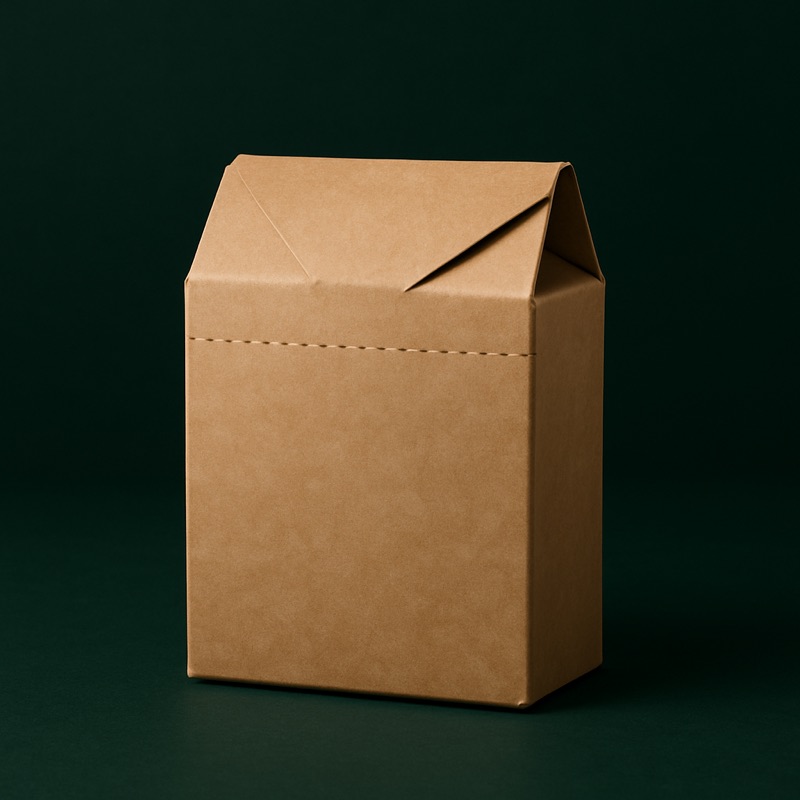
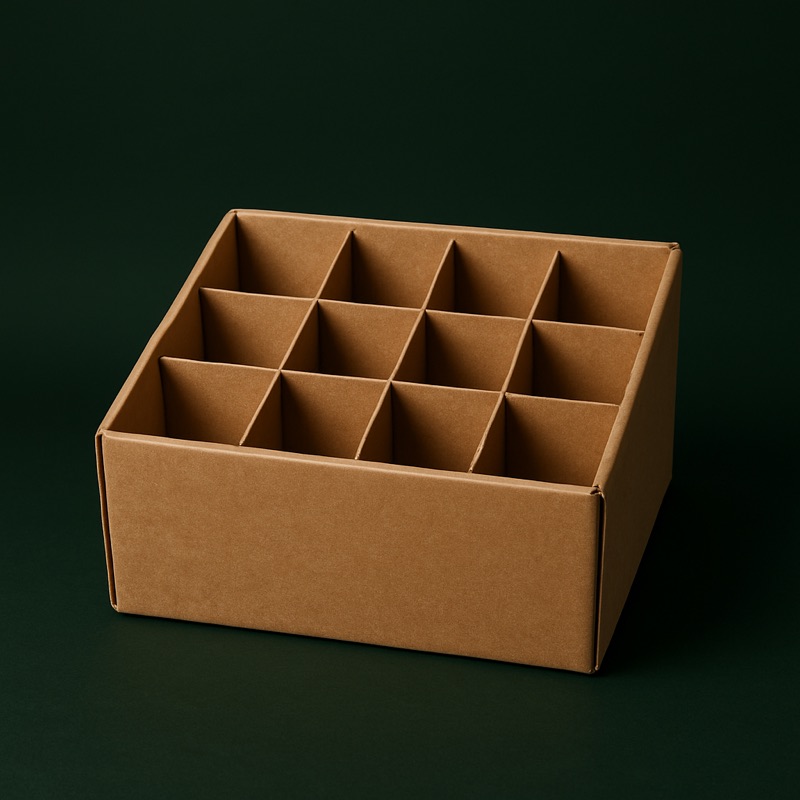
Window / Aperture CuttingDie-cut opening with or without clear film overlayDie CuttingCustom shape cut from flat packaging materialPerforation / Score LinesPrecision cuts for easy tearing or foldingPartition / Compartment BoxInternal dividers for multi-item packaging
Specifying it
How to spec a window box.
Decide what the window is for before you decide where it goes. If it exists to prove the product is really in there, a small aperture over the product's best feature does more than a large one that shows empty headspace. If it exists to show colour or texture across a range, the window wants to be wide and shallow so the variants read at a glance on a shelf.
Keep the aperture away from folds, glue tabs and the structural corners of the face panel. Board carries its load at the edges; cutting a large window close to a crease is how a carton starts bowing in a stacked case. As a working rule, leave a clear margin of board around the whole aperture and never run a window across a score line.
The film behind the aperture is a separate specification — gauge, clarity and whether it is laminated on the inside or the outside of the board. Inside-laminated is cleaner to the touch and does not catch on adjacent cartons in a case.
If the carton is going into a chilled or humid environment, say so. Condensation between film and product is a merchandising problem no amount of print quality will fix.
Pitfalls
What goes wrong.
Windows that show the wrong thing. A window centred on the panel for visual balance frequently frames the gap above the product rather than the product. Draw the aperture around the contents, then balance the artwork around the aperture.
Finishing crowded against the cut. Spot UV, foil and embossing all have registration tolerances. Placed hard against an aperture edge they show every fraction of movement on press. We flag the clearances on the dieline proof rather than discovering them in the first run.
Treating a windowed carton as recyclable. Board and film are different materials, so a windowed carton is not kerbside-recyclable as one piece unless the consumer separates them, and almost nobody does. If a recyclability claim is going on the pack, that claim has to survive scrutiny.
Underspecifying board for a big window. Every square inch of aperture is a square inch of missing structure. Large windows generally need a step up in board weight to hold the same stack.
Cost drivers
What moves the price.
Board weight and box dimensions set the floor. Beyond that, the window itself carries two costs: the die that cuts the aperture, and the film laminated behind it. A simple rectangular window on a standard die is close to free; an intricate silhouette needs its own tooling.
Window size drives board indirectly. A large aperture removes structure, which often means stepping up a board grade to hold the same stack — so a bigger window can quietly raise the price of the whole carton rather than just the cut.
Finishes stack additively. Each of lamination, spot UV, foil and emboss is a separate pass with its own setup. Two finishes on a carton is normal; five is where the unit price starts to surprise people.
Volume moves all of it. The jump from 1,000 to 5,000 units is the single largest percentage drop you will see, because the fixed setup is spread across five times the run. Quotes here are all-in — tooling, printing, finishing and packing in one number — and reorders carry no setup fee, so the second run of the same artwork is always cheaper than the first.
Printing & finish
Every printing & finish option.
Every decoration below runs on every carton and sleeve format. Pantone spot matching is standard, not an upcharge tier, and artwork files stay on record for 24 months so a reorder is a single email.
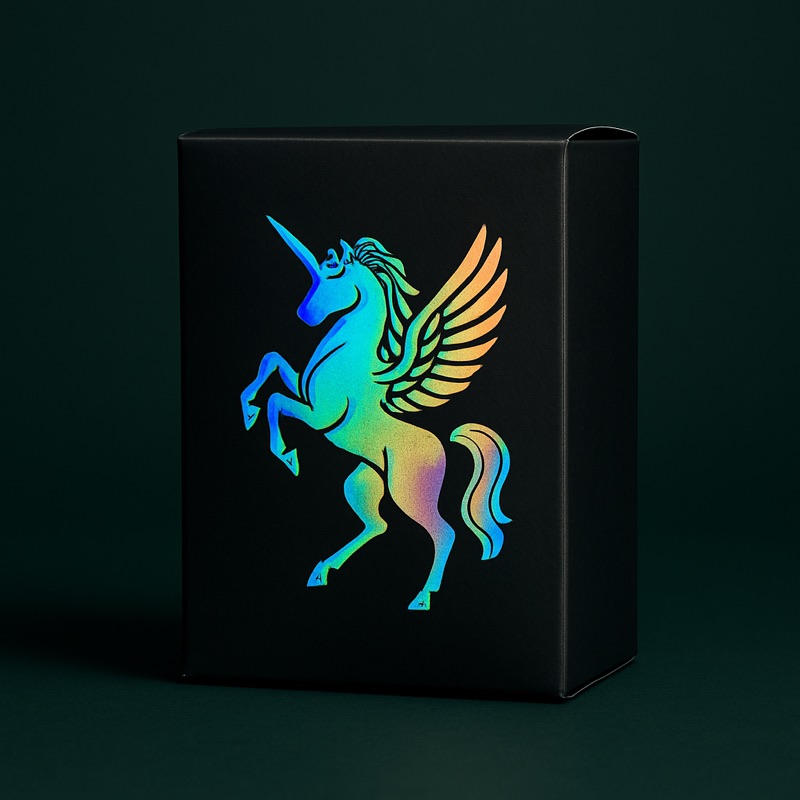
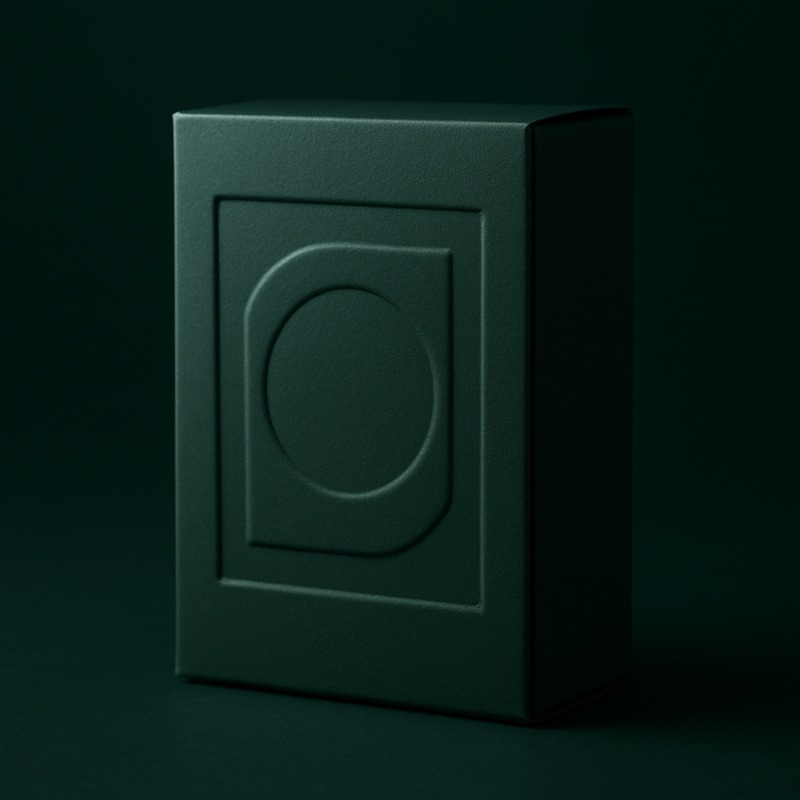
Soft Touch / Velvet LaminationVelvety tactile matte laminate that feels luxuriousMatte LaminationSmooth non-reflective matte film for sophisticated lookGloss LaminationHigh-shine protective gloss film over printSpot UV CoatingGlossy UV resin applied to selected design elementsGold Foil StampingMetallic gold foil pressed into substrate for luxury accentSilver Foil StampingMetallic silver foil stamping for premium highlightsHolographic Foil StampingRainbow-spectrum holographic foil for bold visual impactEmbossingRaised relief design pressed into packaging surfaceDebossingRecessed impression pressed into the packaging substratePantone Spot Color MatchingExact Pantone ink match for precise brand color consistencyDie CuttingCustom shape cut from flat packaging materialTextured Paper / BoardLinen, canvas, or felt-textured substrate for tactile branding
Process
From sample to shelf.
Send the product dimensions and say what you want visible through the window. The aperture gets drawn to frame the product, not centred on the panel by default.
1 · SpecTell us the fillvolume, weight or dimensions — we spec the format
3 · ArtworkDieline & proofin-house design at $75–$150/hr if you need it
4 · ProductionAs few as 5 business daysfrom artwork approval (up to 15), then delivered to all 50 states in as soon as 4 days with Expedited (up to 12) or 25 days with Standard (up to 35)
FAQ
Questions, answered.
How much do custom window boxes cost?
About $0.15 to $6.50 per box depending on size, board weight, window size and finish. Quotes are all-in, with no setup fees on reorders.
What is the minimum order for window boxes?
The minimum is 100 boxes per design, priced instantly online, and several designs can share a production run.
What shape can the window be?
Any shape a die can cut — circles, arcs, product silhouettes, logo outlines. We only push back when the cut would take too much board out of a structural panel.
Is the window plastic recyclable?
The film is a separate material from the board, so a windowed carton is not kerbside-recyclable as one piece. If recyclability is the priority, a die-cut aperture with no film, or a fully windowless carton, is the cleaner answer.
Can you put a window in a mailer or a pouch?
Yes — windowed e-commerce mailers, clear-front mylar and vista pouches all run on the same lines.
What board weight do you use?
4pt to 6pt covers most retail cartons. Heavier products move to corrugated or rigid chipboard.
Does a window weaken the box?
Yes — every square inch of aperture is missing structure. Large windows usually need a step up in board weight to carry the same stack. We flag it on the dieline rather than after the first crushed case.
Can I have a window with no film?
Yes. An open die-cut aperture with no film keeps the carton a single material and fully recyclable. It suits products that don't need dust protection.
How close can foil or spot UV sit to the window?
Both have registration tolerances, so hard against the cut edge they show every fraction of press movement. We mark safe clearances on the dieline proof.
What's the lead time?
As few as 5 business days from artwork approval (up to 15), then delivered to all 50 states in as soon as 4 days with Expedited (up to 12) or 25 days with Standard (up to 35), so your boxes can arrive in as few as 10 business days.