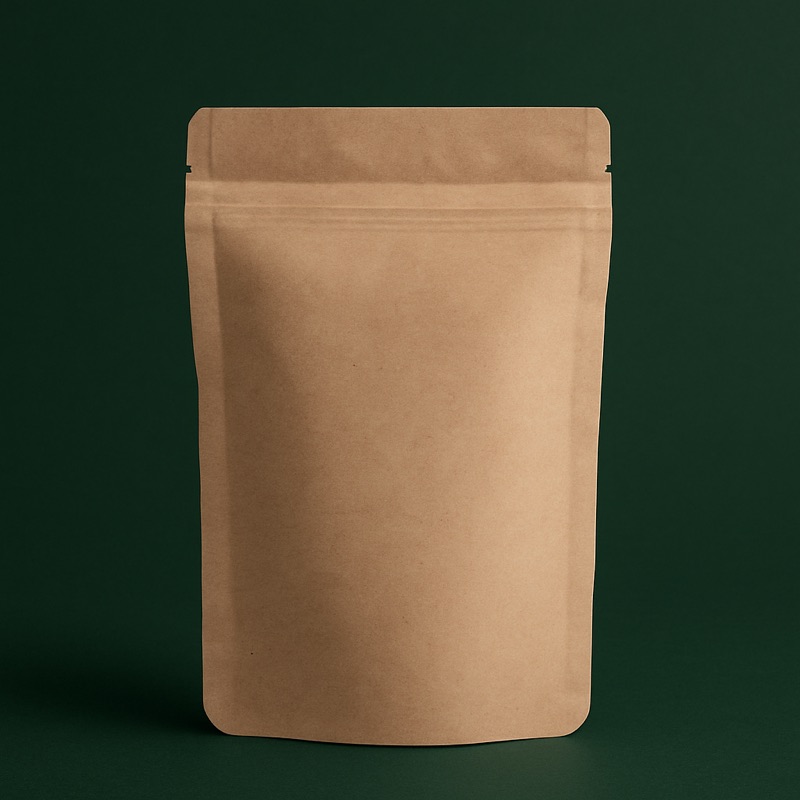
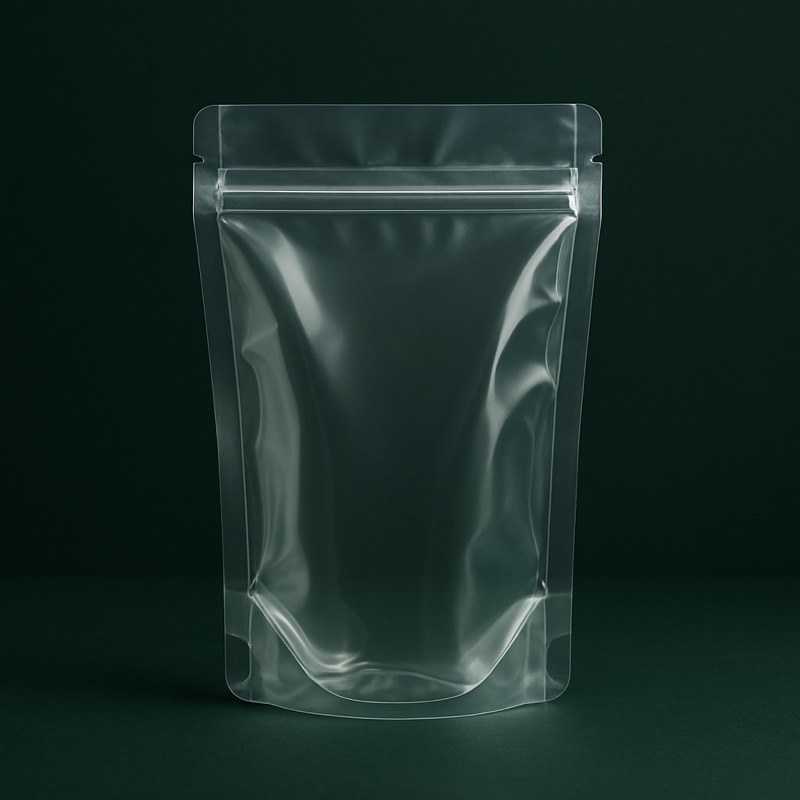
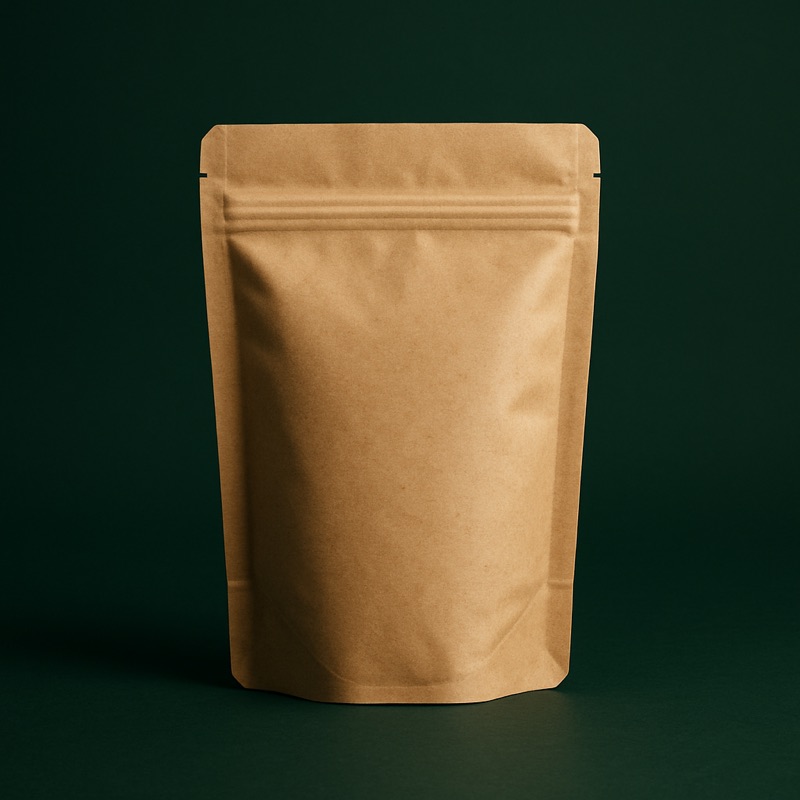
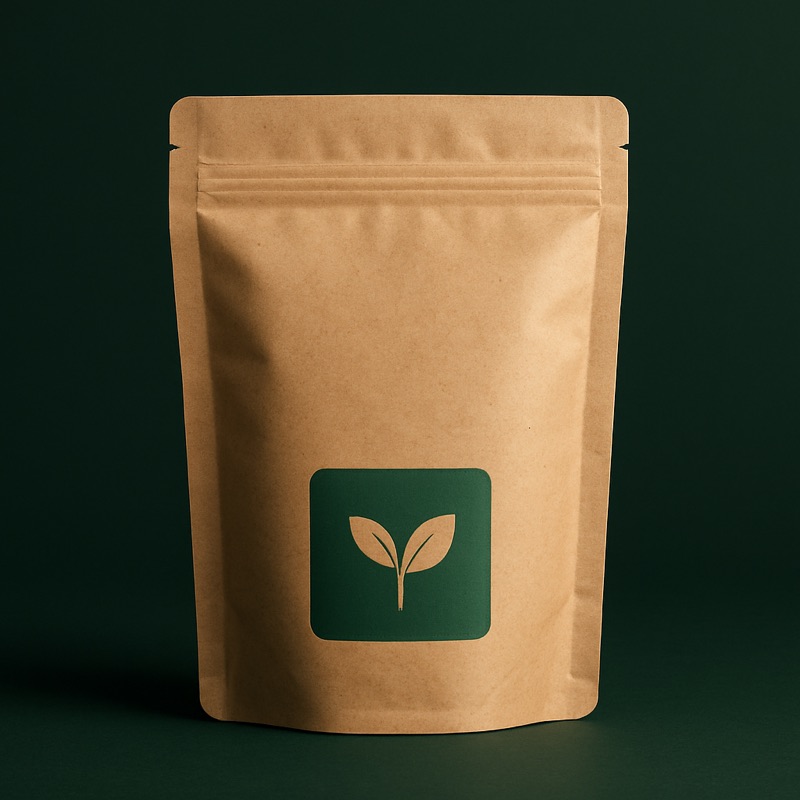
For anything soft, unbreakable and dimensional-weight-sensitive, a mailer beats a box on every line of the freight invoice. TWO Packaging prints poly mailers, bubble mailers, kraft paper padded mailers and self-seal formats in full color, with recycled-content film available, priced instantly online: logo mailers from 500, full color from 5,000, delivered to your door.
Minimum order500 mailersper design with a one-color logo; full color from 5,000
Best forSoft goodsapparel, textiles, accessories, print
Why not a boxDimensional weighta mailer prices as what it weighs, not what it displaces
ProductionAs few as 5 daysbusiness days from artwork approval (up to 15), then delivery in as soon as 4 days Expedited or 25 days Standard
Custom Poly & Bubble Mailers
Mailer formats.
Poly for soft goods that cannot be crushed. Bubble or kraft-padded when there is something inside that can. Expandable when the depth varies between orders and you do not want three SKUs of mailer to cover one product line.
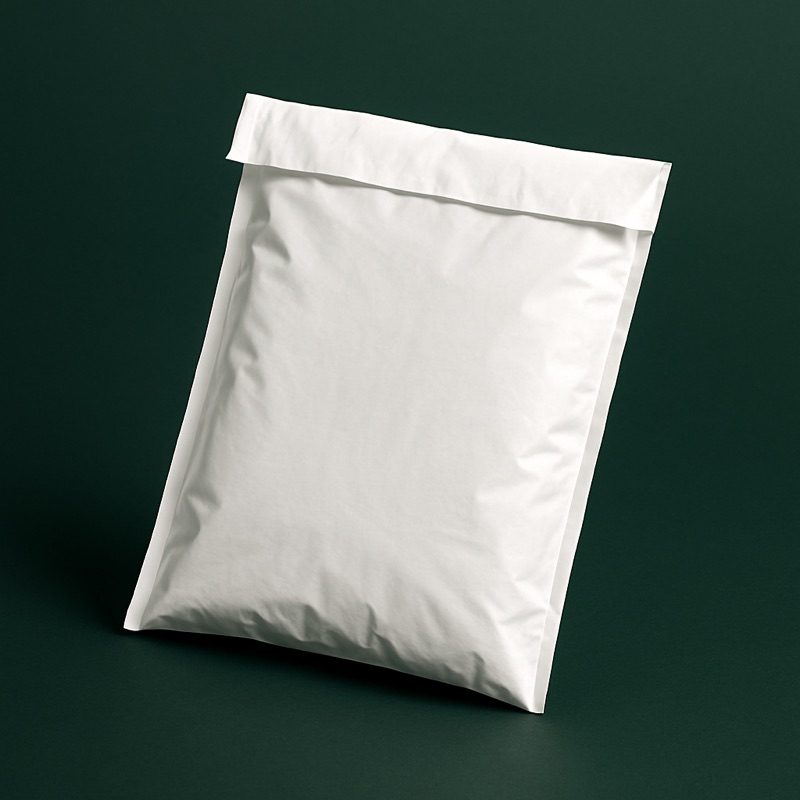
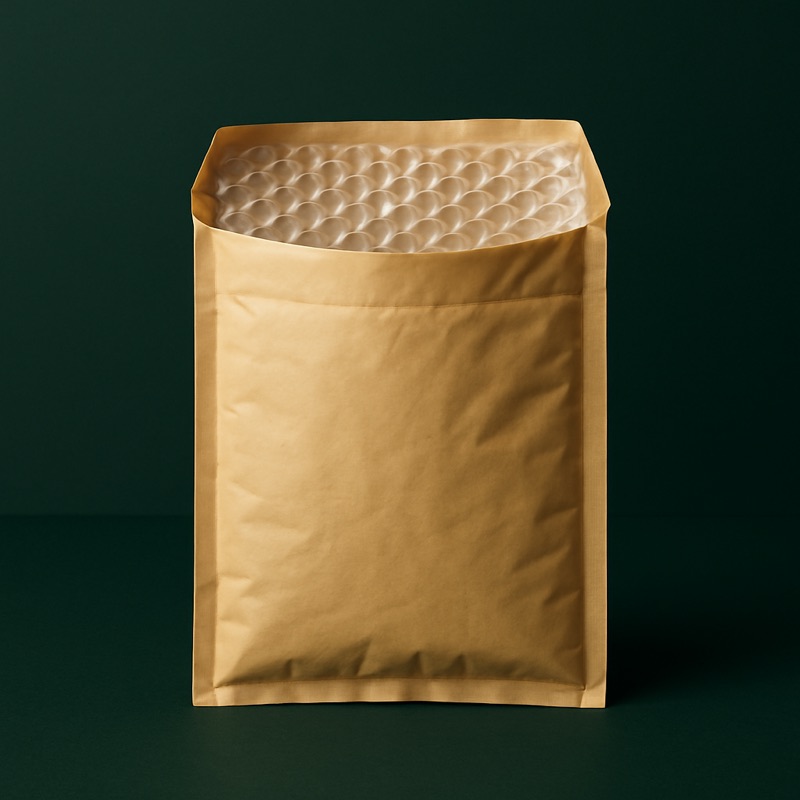
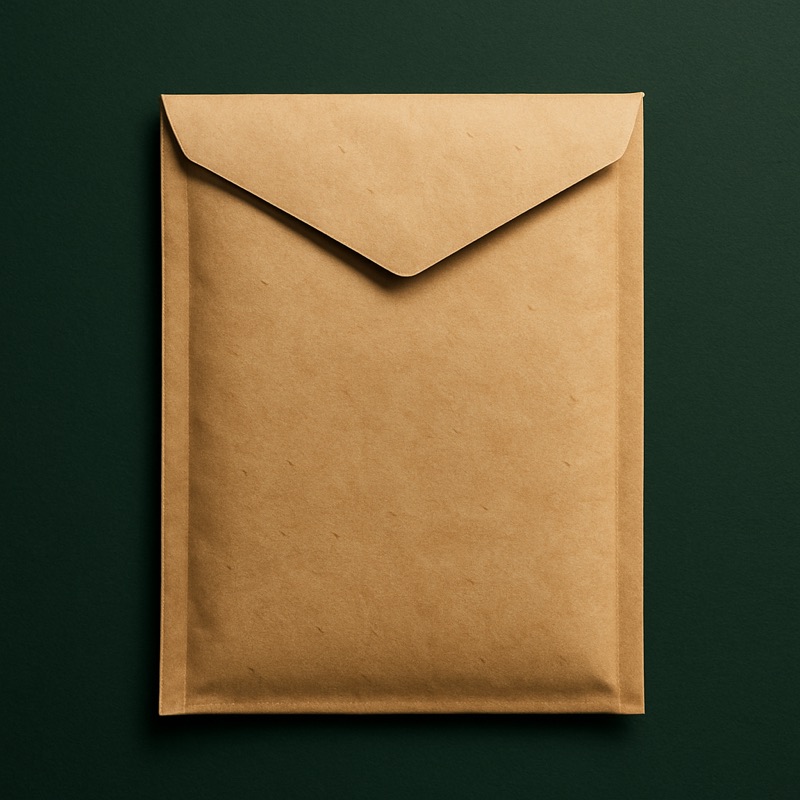
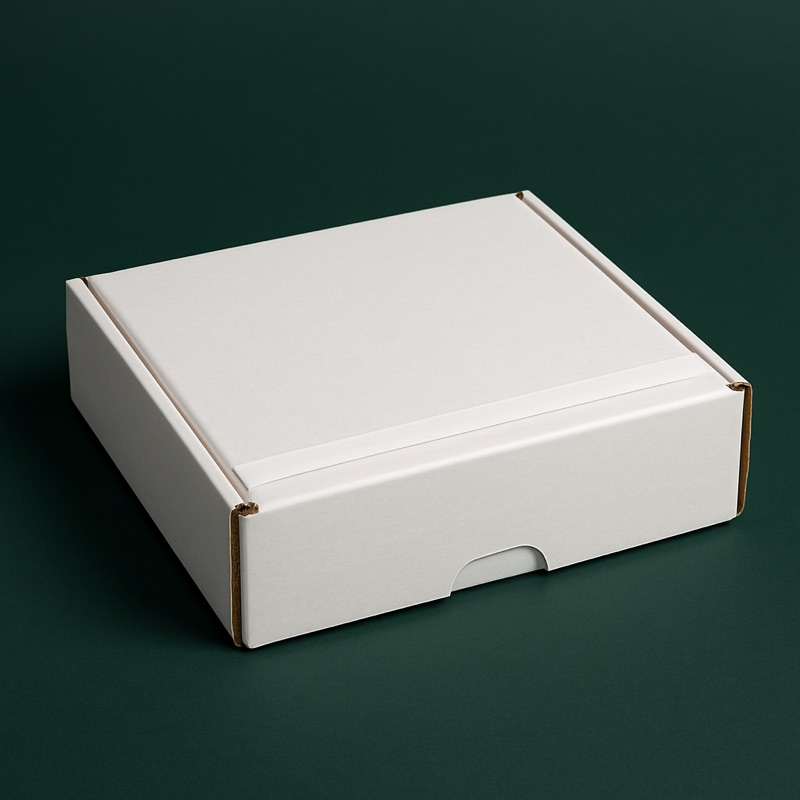
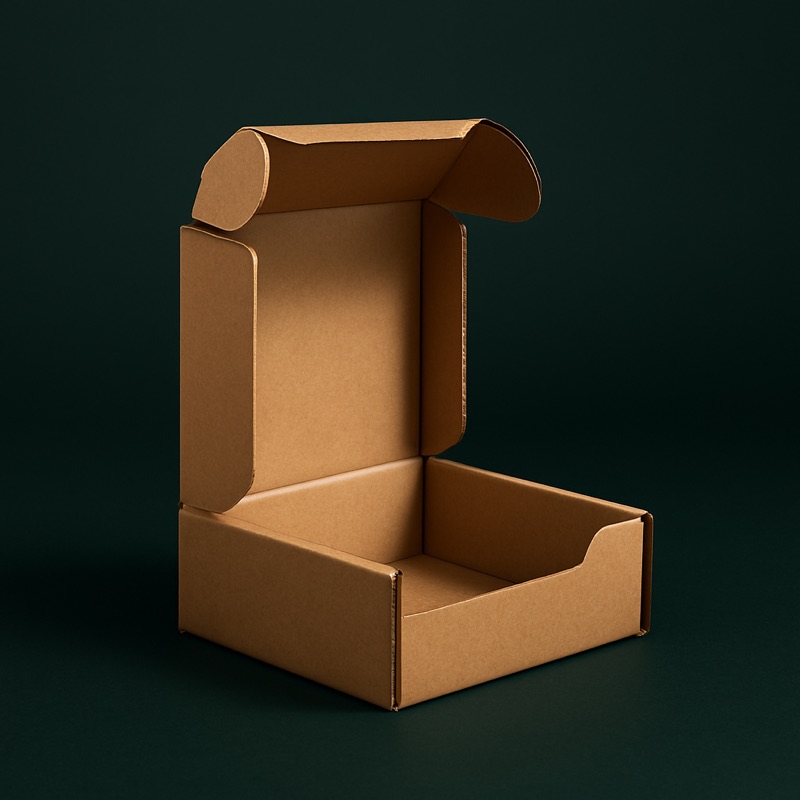
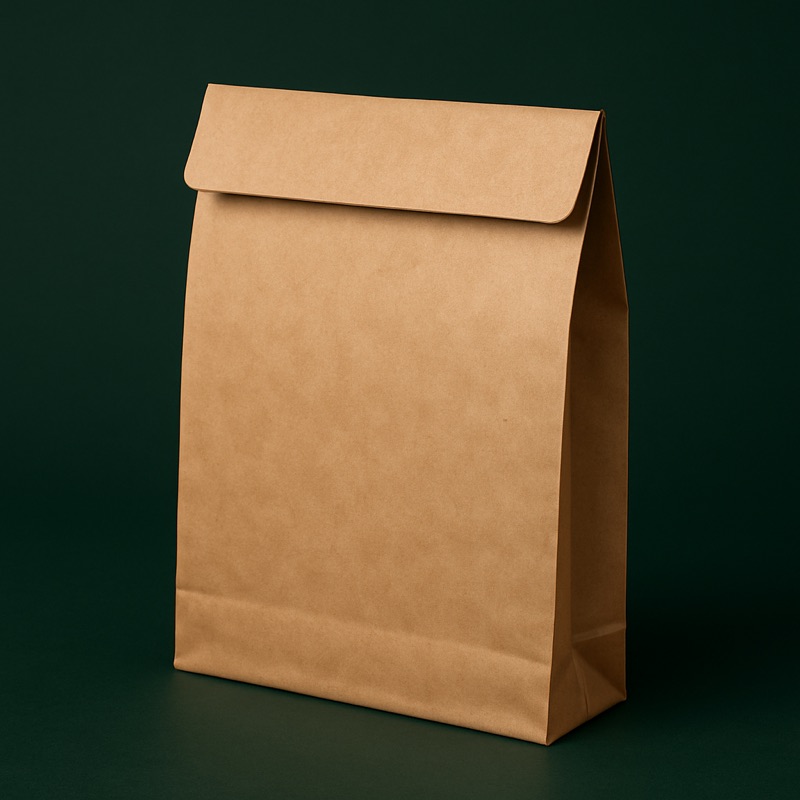
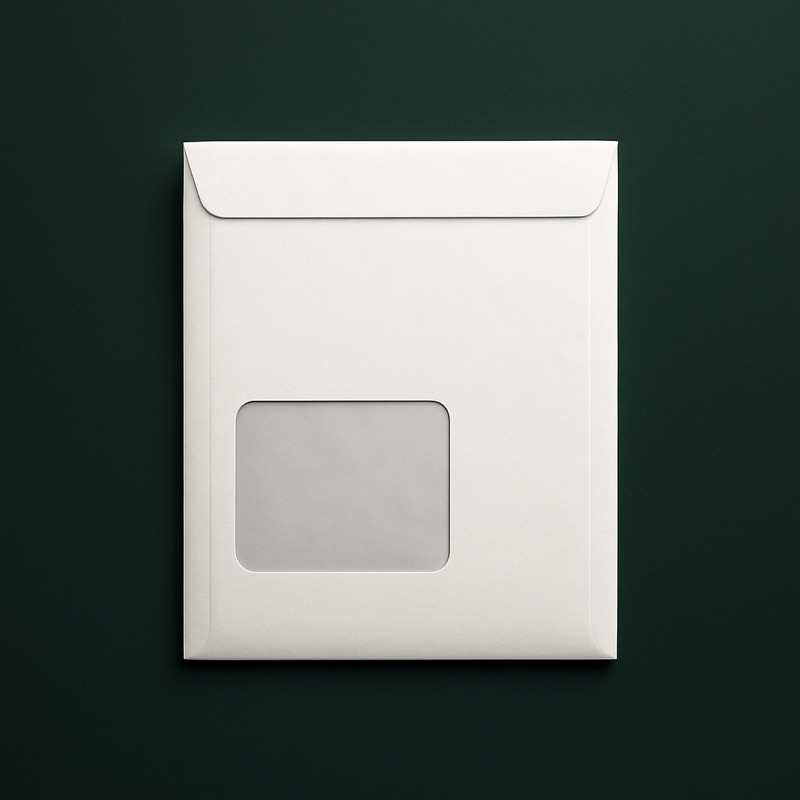
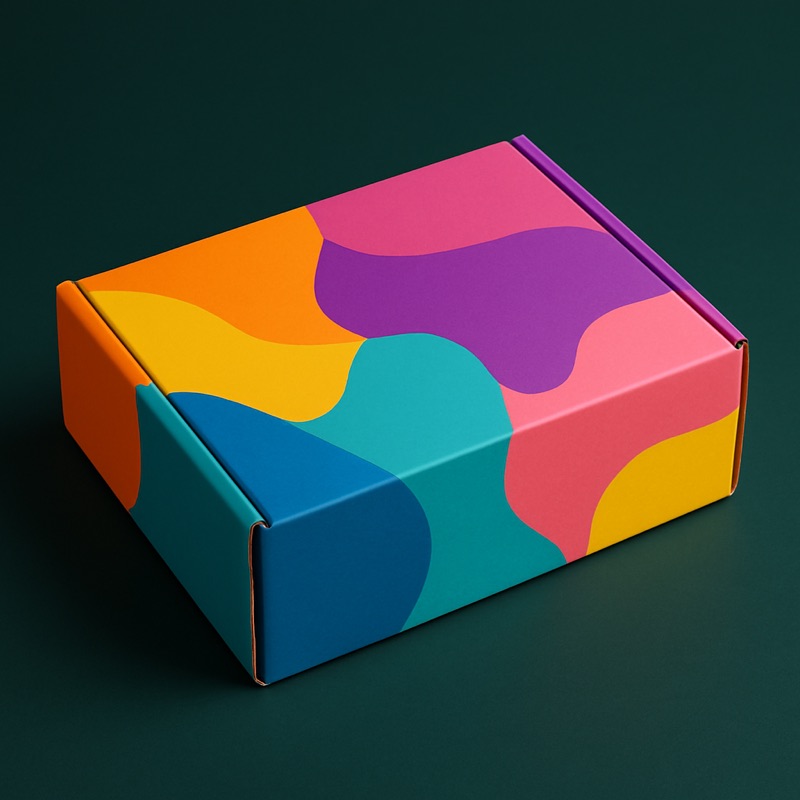
Poly Mailer BagLightweight flexible plastic mailing envelopeBubble MailerPadded bubble interior for fragile itemsKraft Paper MailerNatural kraft exterior for eco-friendly shippingSelf-Seal MailerPeel-and-stick seal for fast fulfillmentSide-Loading MailerOpens from the side instead of topExpandable MailerExpandable gusset accommodates varying product depthWindowed MailerClear panel window for address card visibilityFull Color Printed E-Commerce MailerPremium branded shipping experienceSubscription Box MailerDeep corrugated mailer for subscription fulfillmentStandard Tuck MailerSimple tuck closure mailer for e-commerceAuto-Lock MailerSelf-locking tabs, no tape neededCorrugated Mailer BoxE-commerce mailer made from corrugated board
Sustainability
Recycled content and the honest trade-off.
Poly mailers carry PCR recycled content and weigh a fraction of a box, which cuts freight emissions outright. What they are not is kerbside-recyclable in most of the country. A kraft paper padded mailer is the recyclable option and costs more — that is the real trade, and we would rather state it than let a spec sheet imply otherwise.
PCR Recycled Content PouchMade with post-consumer recycled materialRecyclable Mono-Material PouchSingle-material for recycling streamCompostable PouchCertified home or industrial compostableBiodegradable PouchBreaks down naturally after useKraft Paper MailerNatural kraft exterior for eco-friendly shipping
Specifying it
How to spec a mailer.
Size a mailer from the packed product's diagonal, not its flat footprint. A mailer cut to the exact flat dimensions of a folded garment will not close once the garment has any loft at all. Add allowance for thickness and for the seal flap.
Film thickness is the second decision. Lighter films cost less and tear more; the right film depends on what is inside, how many handoffs the parcel takes and whether anything inside has a corner. For apparel, our standard film is usually enough. For anything with an edge, step up or move to a padded format.
Opacity matters more than brands expect. A thin poly mailer can show the product through the film, which is a privacy problem for some categories and a theft problem for others. Specify opaque unless there is a reason not to.
If you want a returns experience, specify a double adhesive strip at the time of quote. Retrofitting one later means a new tooling setup.
Pitfalls
What goes wrong.
Sustainability claims that do not survive checking. “Recyclable” on a poly mailer usually means store drop-off, not kerbside, and the two are not interchangeable in a consumer's mind or in a regulator's. State the actual route or say nothing.
Print that scuffs off in transit. Poly mailers rub against each other in sortation. Heavy ink coverage without the right surface treatment will scuff. Large solid areas in a dark colour are where this shows first.
Choosing bubble when padding is not the problem. Bubble protects against impact, not against crushing. A stack of parcels on a pallet will crush a bubble mailer as readily as a poly one. If crush is the risk, the answer is a box.
One mailer size for a whole catalogue. Oversized mailers cost more in film and more in dimensional weight, on every single order. Two or three sizes almost always pays for itself.
Cost drivers
What moves the price.
Film thickness and mailer dimensions set the base price, and both are worth being precise about. An oversized mailer costs more in film on every unit and more in dimensional weight on every shipment — that second cost recurs forever and usually dwarfs the first.
Padding is a step change, not an increment. Bubble and kraft-padded formats cost meaningfully more than plain poly, so the question is whether the contents genuinely need impact protection or whether they just need to be contained.
Print coverage is the third driver. A one-colour logo on a plain mailer is close to the price of an unprinted one. Edge-to-edge coverage in a dark colour costs more, needs more surface treatment to resist scuffing, and shows every mark the sortation network puts on it.
Volume moves all of it. The jump from 1,000 to 5,000 units is the single largest percentage drop you will see, because the fixed setup is spread across five times the run. Prices here are all-in — tooling, printing, finishing, packing and delivery in one number — and reorders carry no setup fee, so the second run of the same artwork is always cheaper than the first.
Printing & finish
Every printing & finish option.
Every decoration below runs on printed mailers and the inserts that go in them. Pantone spot matching is standard, not an upcharge tier, and artwork files stay on record for 24 months so a reorder is a single email.
Soft Touch / Velvet LaminationVelvety tactile matte laminate that feels luxuriousMatte LaminationSmooth non-reflective matte film for sophisticated lookGloss LaminationHigh-shine protective gloss film over printSpot UV CoatingGlossy UV resin applied to selected design elementsGold Foil StampingMetallic gold foil pressed into substrate for luxury accentSilver Foil StampingMetallic silver foil stamping for premium highlightsHolographic Foil StampingRainbow-spectrum holographic foil for bold visual impactEmbossingRaised relief design pressed into packaging surfaceDebossingRecessed impression pressed into the packaging substratePantone Spot Color MatchingExact Pantone ink match for precise brand color consistencyDie CuttingCustom shape cut from flat packaging materialTextured Paper / BoardLinen, canvas, or felt-textured substrate for tactile branding
Process
From sample to shelf.
Send the product's packed dimensions and its weight. Mailer sizing is driven by the diagonal, not the flat footprint — a mailer cut to the flat size will not close.
1 · SpecTell us the fillvolume, weight or dimensions — we spec the format
3 · ArtworkDieline & proofin-house design at $75–$150/hr if you need it
4 · ProductionAs few as 5 business daysfrom artwork approval (up to 15), then delivered to all 50 states in as soon as 4 days with Expedited (up to 12) or 25 days with Standard (up to 35)
FAQ
Questions, answered.
How much do custom poly mailers cost?
It depends on size, film, print and whether the mailer is padded. 1,000 white 10 × 13 in poly mailers with a one-color logo cost $545.70 delivered ($0.546 each), and 1,000 10 × 13 in bubble logo mailers $0.955 each; full color starts at 5,000. Every size is priced instantly on the order page.
What is the minimum order for custom mailers?
The minimum is 500 mailers per design for a Logo mailer (your logo in one color) and 5,000 for full color, priced instantly online, with up to 10 designs in one order.
Poly mailer or bubble mailer?
Poly for soft goods that cannot be damaged by compression. Bubble or kraft-padded once there is anything rigid, fragile or edged inside.
Are poly mailers recyclable?
Not kerbside in most of the US. They can carry PCR recycled content and they weigh far less than a box. If kerbside recyclability is the requirement, a kraft paper padded mailer is the honest choice.
Can mailers be printed in full colour?
Yes, edge to edge, including the seal flap and the reverse. Full color starts at 5,000 mailers per design; a one-color logo starts at 500.
Do you make custom sizes?
Yes. Send packed dimensions and we'll cut the mailer to them rather than making your product fit a stock size.
How do I size a mailer correctly?
From the packed product's diagonal, plus allowance for thickness and the seal flap — not from its flat footprint. A mailer cut to flat dimensions won't close once the contents have any loft.
Can you add a returns strip?
Yes — a second adhesive strip for returns, specified at quote stage. Adding it later means a new tooling setup.
Will heavy print coverage scuff in transit?
It can. Mailers rub against each other in sortation, and large solid areas in dark colours show it first. We specify surface treatment for high-coverage designs.
Are opaque mailers available?
Yes, and we'd recommend them by default. Thin film can show the product through the mailer, which is a privacy issue in some categories and a theft issue in others.