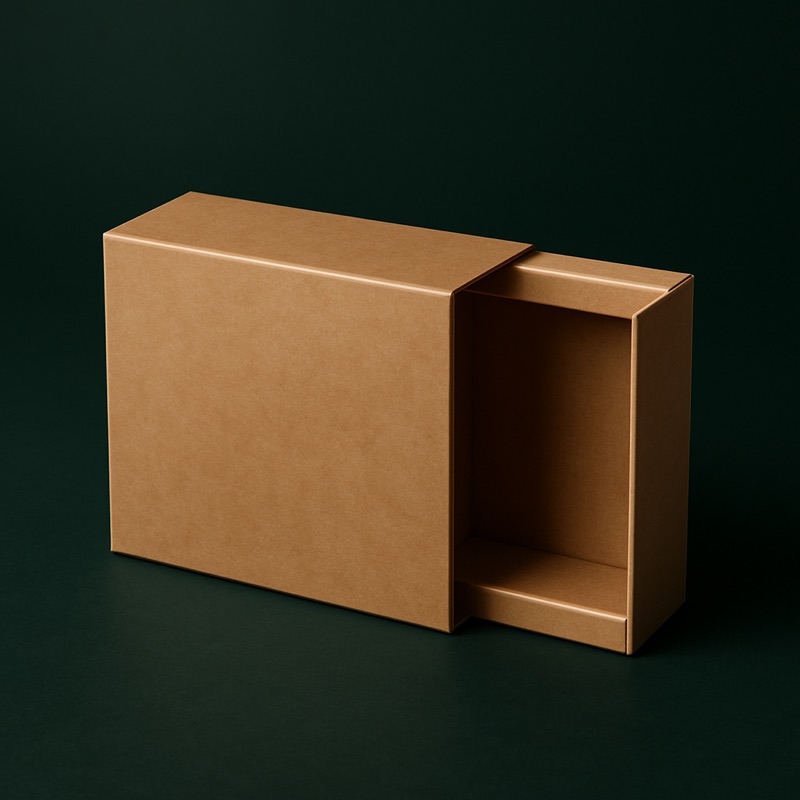
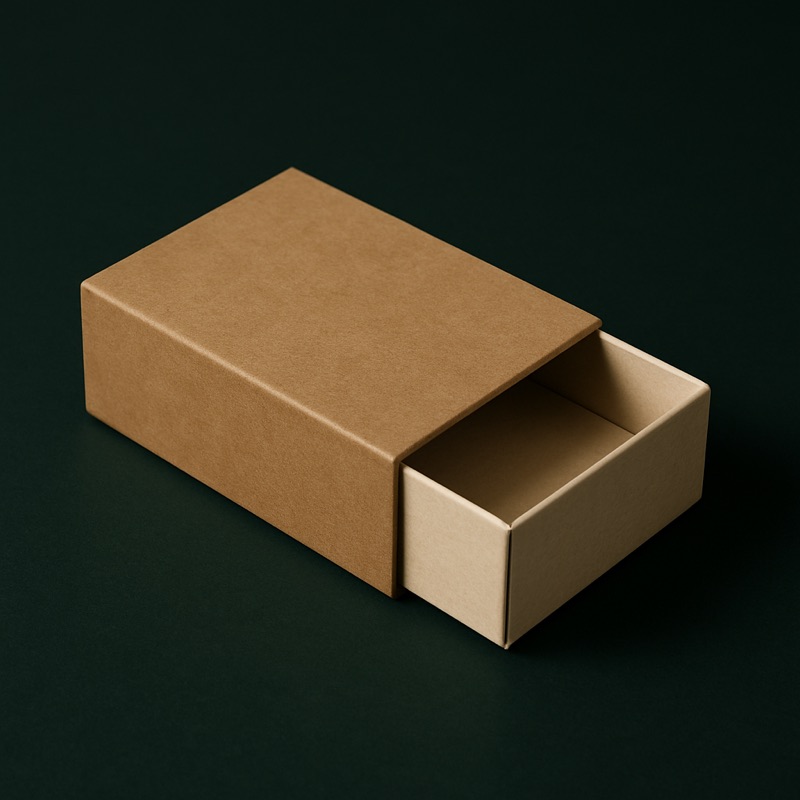
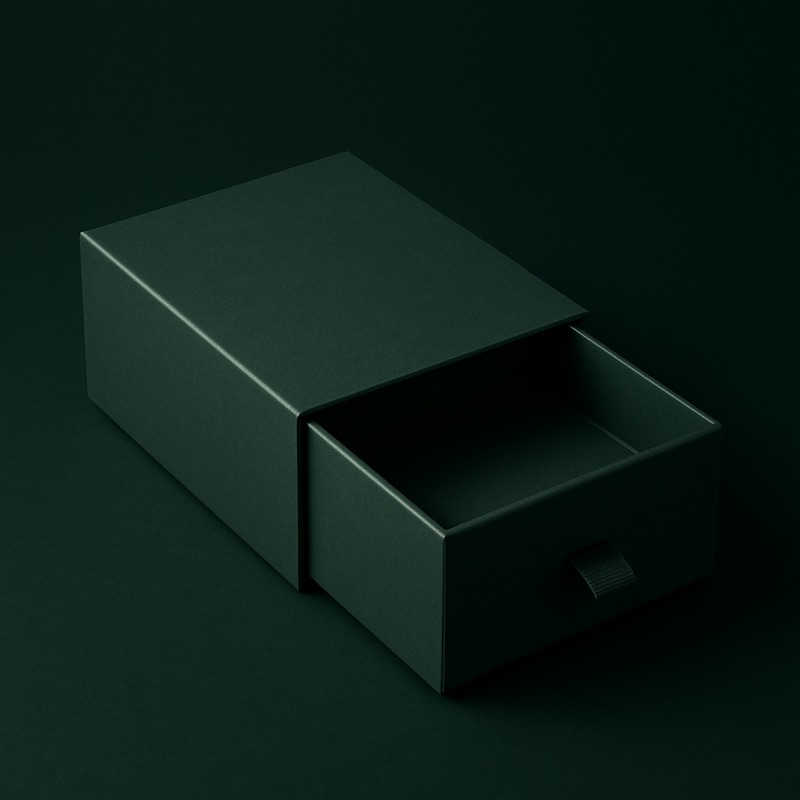
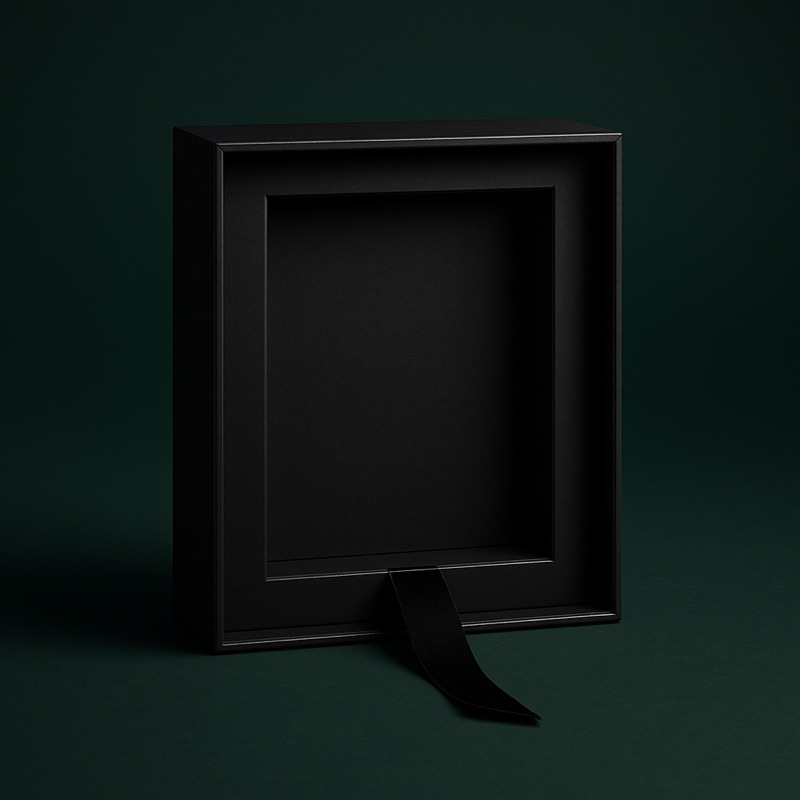
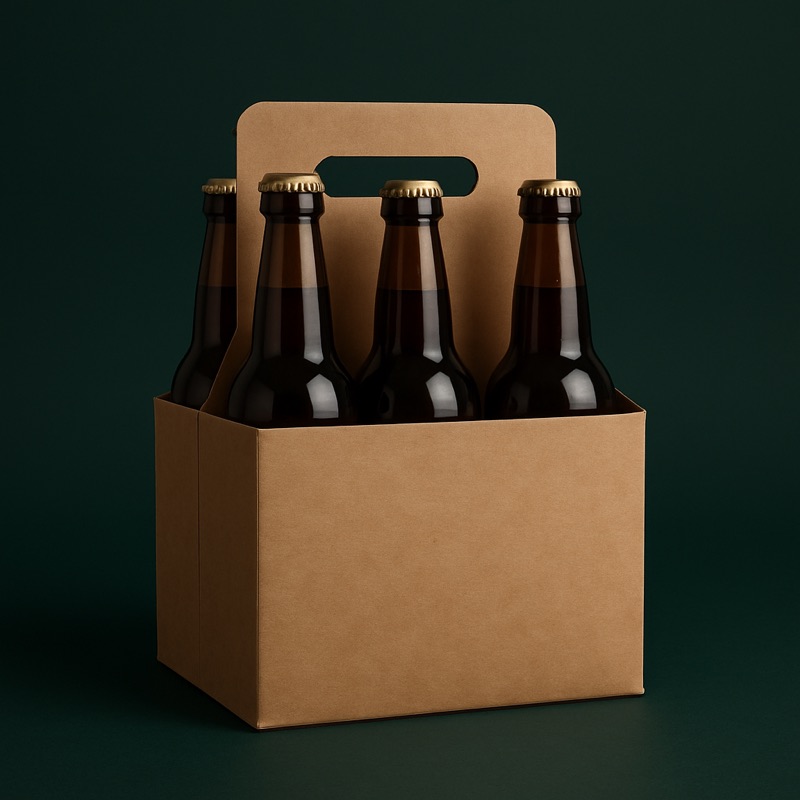
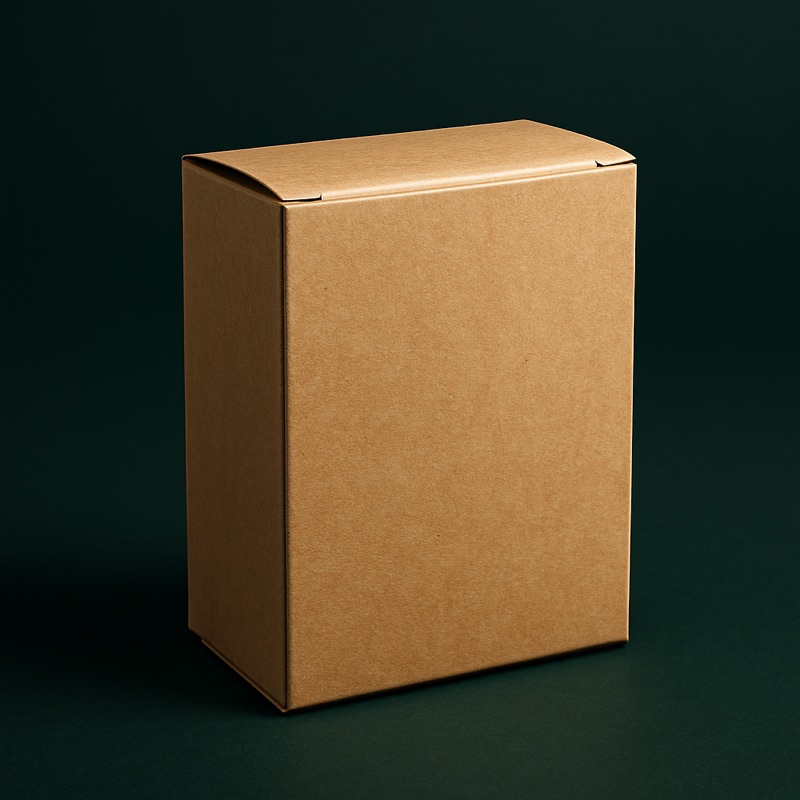
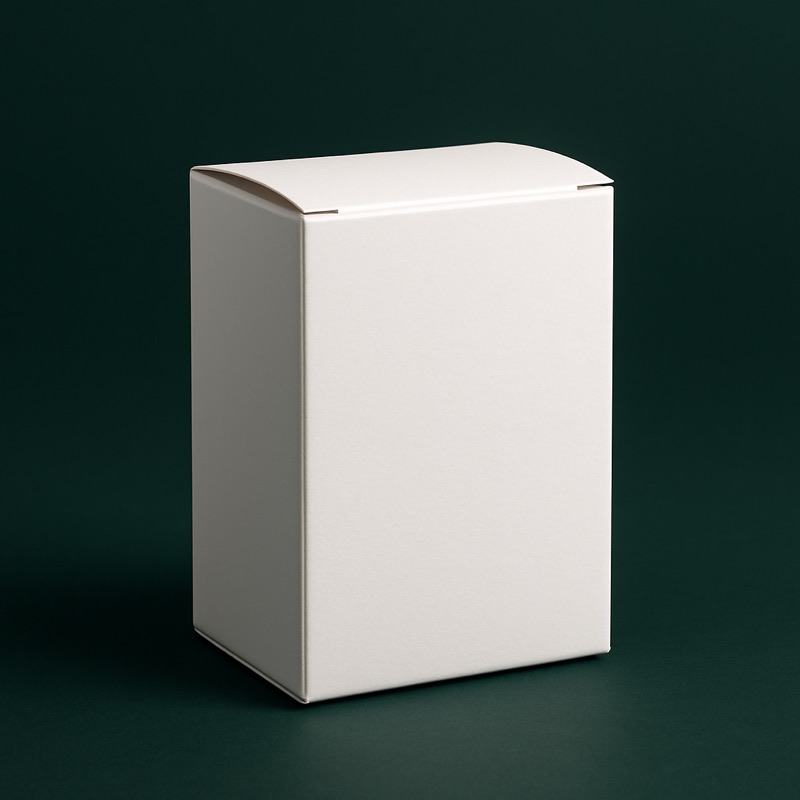
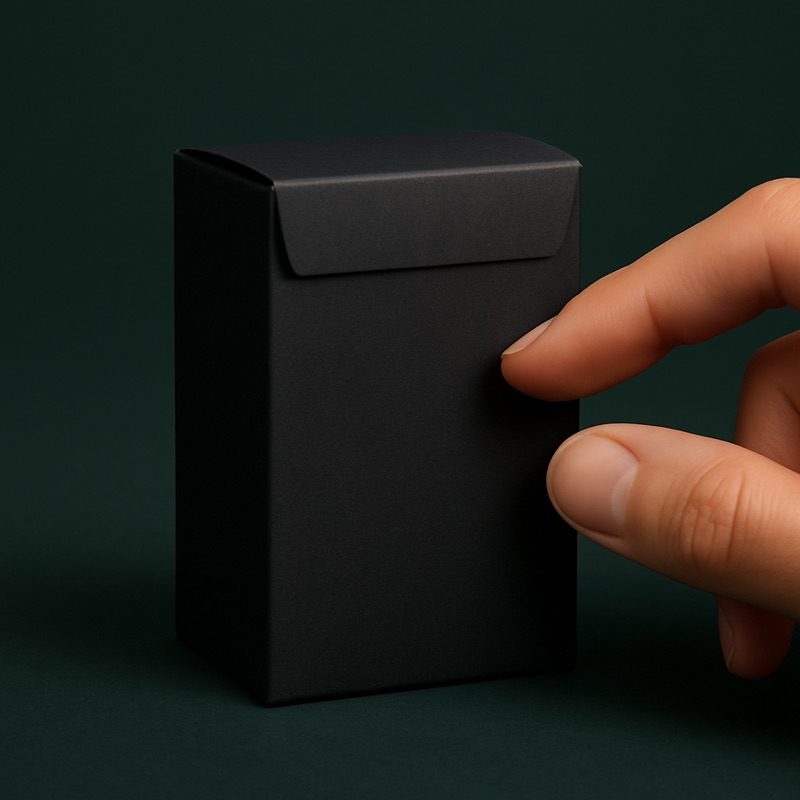
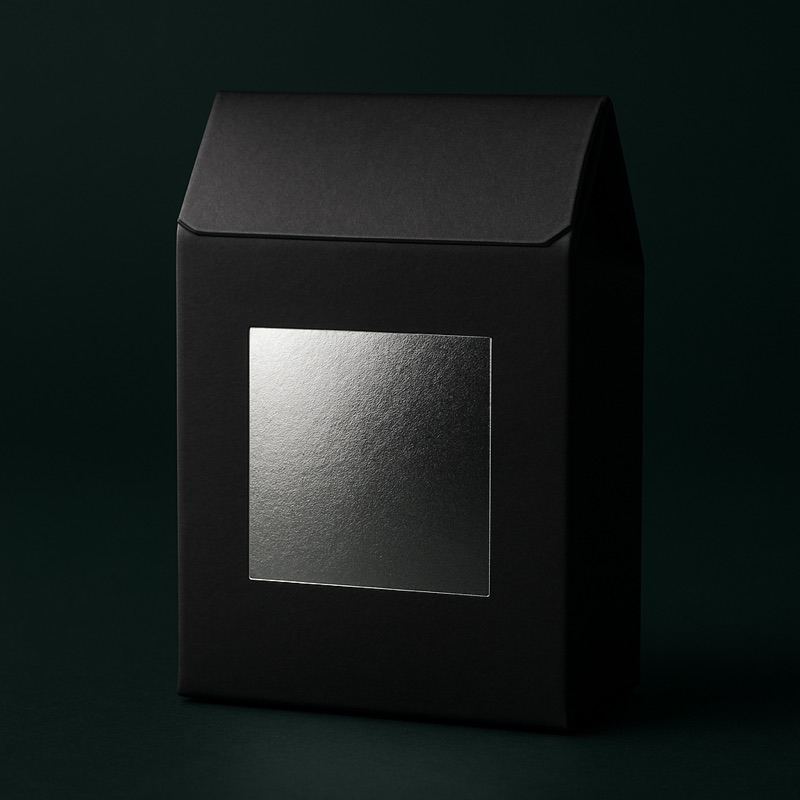
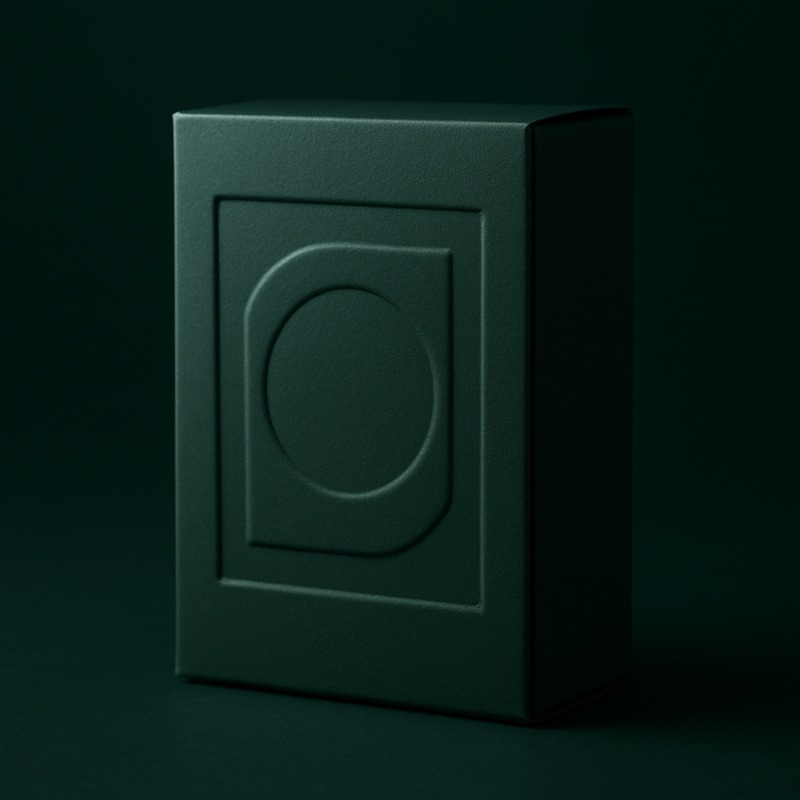
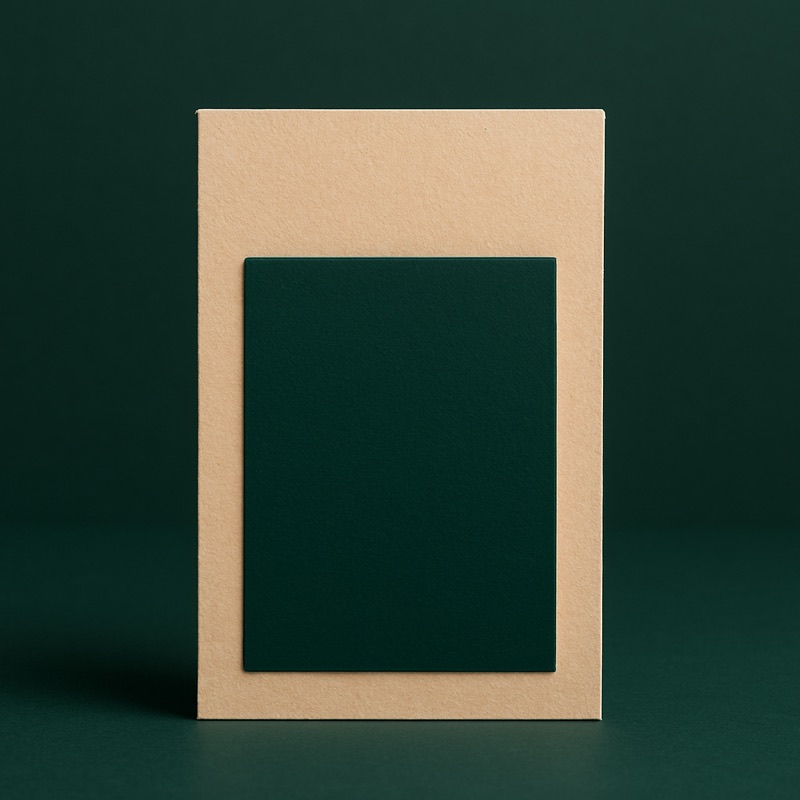
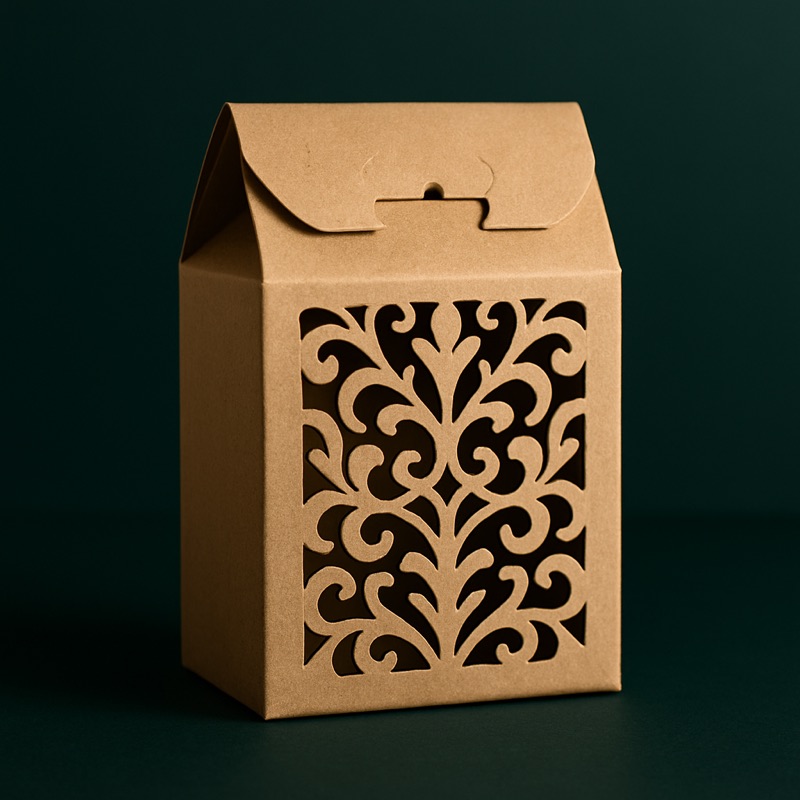
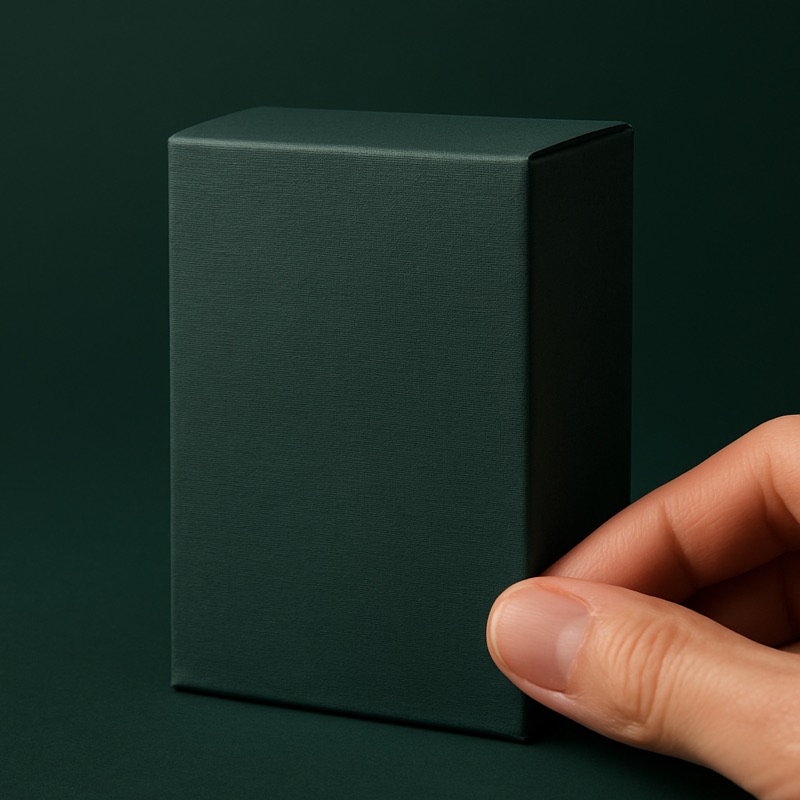
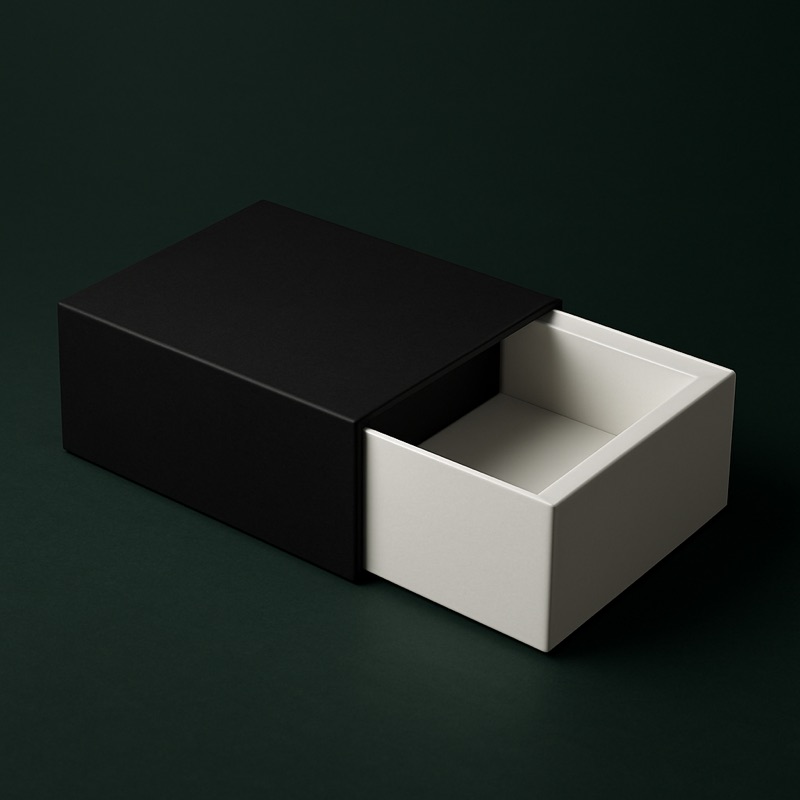
A sleeve is the cheapest way to change a package without retooling it. One plain tray, one plain box, and the sleeve carries the brand, the variant, the season or the limited run. TWO Packaging prints box sleeves, bellybrands, tray-and-sleeve sets, corrugated sleeves and matchbox slides priced on request at about $0.15–$6.50 each.
A full sleeve wraps the whole carton; a bellybrand is a narrow band across the middle and uses a fraction of the board. A tray-and-sleeve separates the container from the graphics entirely, which is what makes it the workhorse of multi-variant lines.


If you run eight flavours, eight printed cartons means eight dielines, eight plate sets and eight inventory lines of the whole structure. One unprinted tray plus eight sleeves means one structural SKU and eight cheap, thin, fast-turning print SKUs. When a flavour dies, you scrap sleeves — not boxes.


A sleeve is a tolerance problem more than a design problem. It has to slide on by hand at speed without tearing, and it has to stay put through a parcel network. That tolerance depends on the board caliper, the finish (a soft-touch laminate has noticeably more friction than gloss) and whether the base carton is filled or empty when the sleeve goes on.
Tell us which it is. A sleeve applied to a filled, slightly bulging carton needs more clearance than one applied flat on an empty tray. Getting this wrong is the difference between a smooth pack line and an operator forcing every unit.
Decide where the seam lands. A sleeve's glued seam should sit on a back or side panel, never across the front, and never where it interrupts a continuous graphic. On a bellybrand the seam usually hides on the reverse.
If you are running one base with many sleeves, lock the base dimensions permanently. The whole economic advantage disappears the moment the tray changes and every sleeve variant needs re-tooling.
Sleeves that slide off in transit. A sleeve sized for easy assembly is often too loose for shipping. If the pack travels unboxed, either tighten the fit or add a spot of removable adhesive.
Artwork that ignores the wrap. A sleeve is a continuous loop. Artwork built as four separate panels will show a visible break where the design meets itself. Build it as one developed flat.
Forgetting the sleeve hides the carton. Regulatory copy, barcodes and ingredient panels covered by a sleeve are effectively not on the pack. Whatever must remain visible has to be positioned outside the sleeve band, or repeated on the sleeve itself.
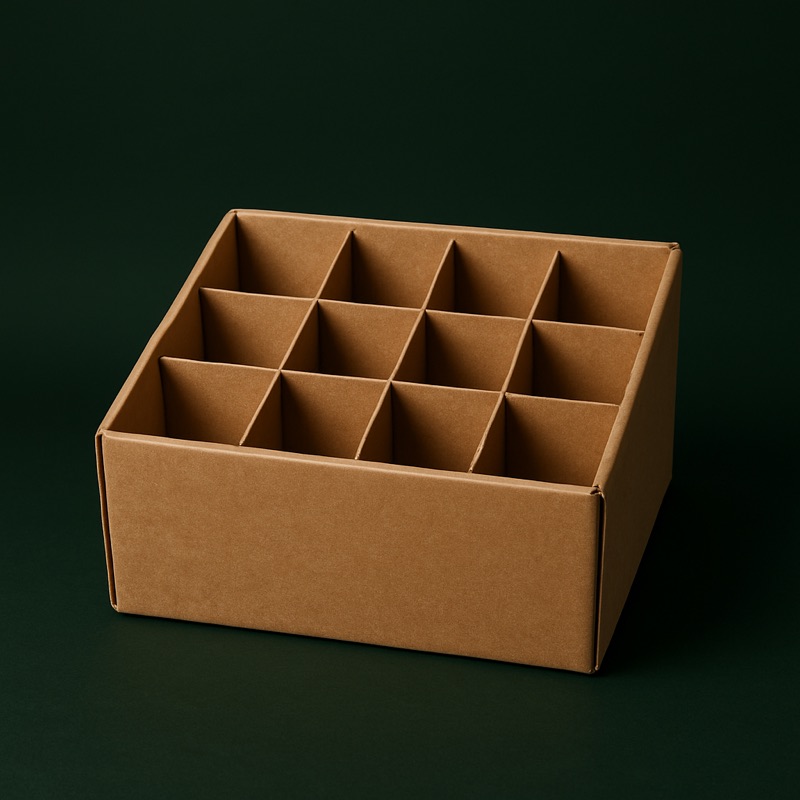
Over-engineering the base. If the sleeve carries the brand, the tray underneath can be unprinted kraft or white. Printing both is money spent twice on the same square inch.
A sleeve is cheap because it is mostly air — you are buying a band of board, not a structure. A bellybrand uses a fraction of the material of a full sleeve and prices accordingly, which is why it is the default for seasonal and limited-run variants.
The real economics are not in the sleeve, they are in what it lets you avoid. One unprinted tray across eight variants means one structural tooling charge instead of eight, and it means dead variants cost you sleeves rather than whole cartons.
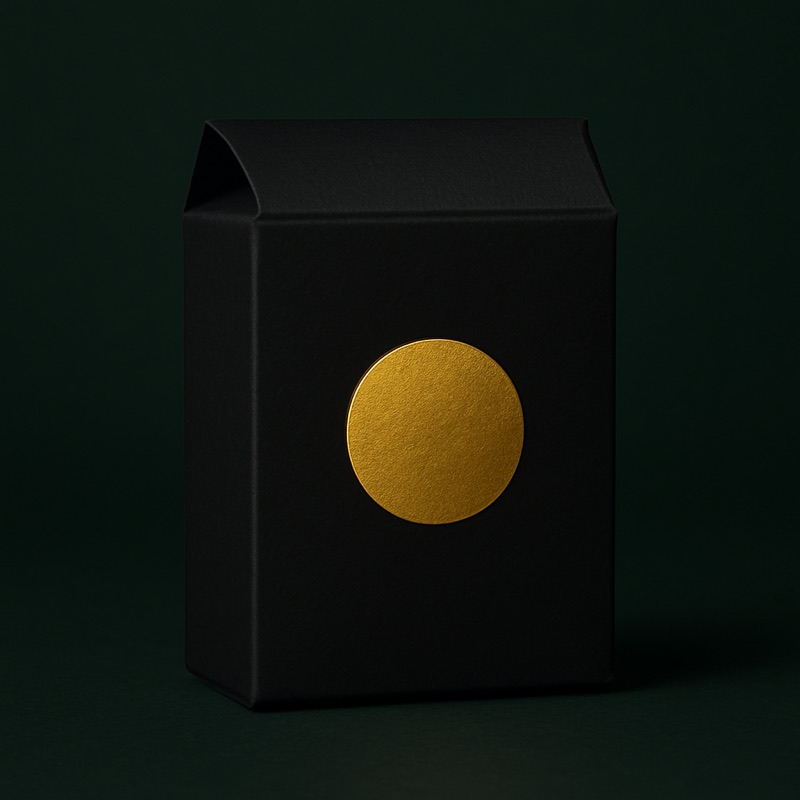
Finish choice matters more on a sleeve than elsewhere, because the sleeve is the only printed surface the customer sees. Soft-touch lamination and foil are where most of the perceived value sits, and on a small band of board they are affordable in a way they would not be across a whole carton.
Volume moves all of it. The jump from 1,000 to 5,000 units is the single largest percentage drop you will see, because the fixed setup is spread across five times the run. Quotes here are all-in — tooling, printing, finishing and packing in one number — and reorders carry no setup fee, so the second run of the same artwork is always cheaper than the first.
Every decoration below runs on sleeves, bellybrands and the trays inside them. Pantone spot matching is standard, not an upcharge tier, and artwork files stay on record for 24 months so a reorder is a single email.


Send the dimensions of what the sleeve goes around. Sleeve fit is a tolerance question — too tight and it tears on assembly, too loose and it slides off in transit.
About $0.15 to $6.50 per unit depending on size, board and finish. A bellybrand costs less than a full sleeve because it uses far less board. Quotes are all-in, with no setup fees on reorders.
Quantities are priced on request. Multiple SKUs can share a production run — which is exactly the point of a sleeve programme.
Yes, and it is usually the cheapest way to run a multi-variant line. One structural SKU, many print SKUs.
Tight enough not to slide in transit, loose enough to assemble by hand at speed. We set the tolerance on the dieline and you confirm it on the pre-production sample.
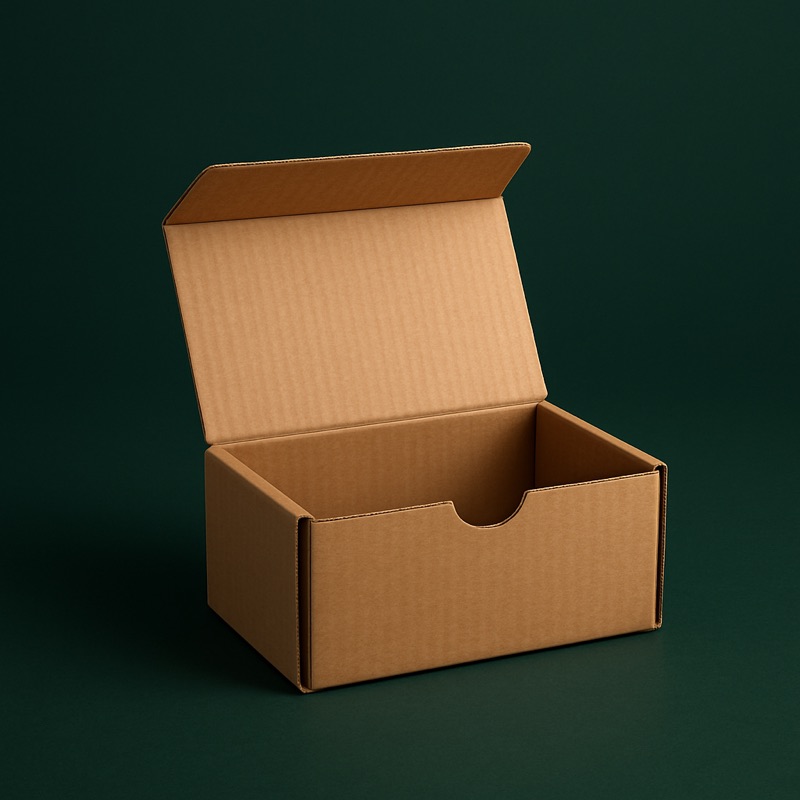
Yes — corrugated sleeves are a common way to brand a plain shipper without printing the whole box.
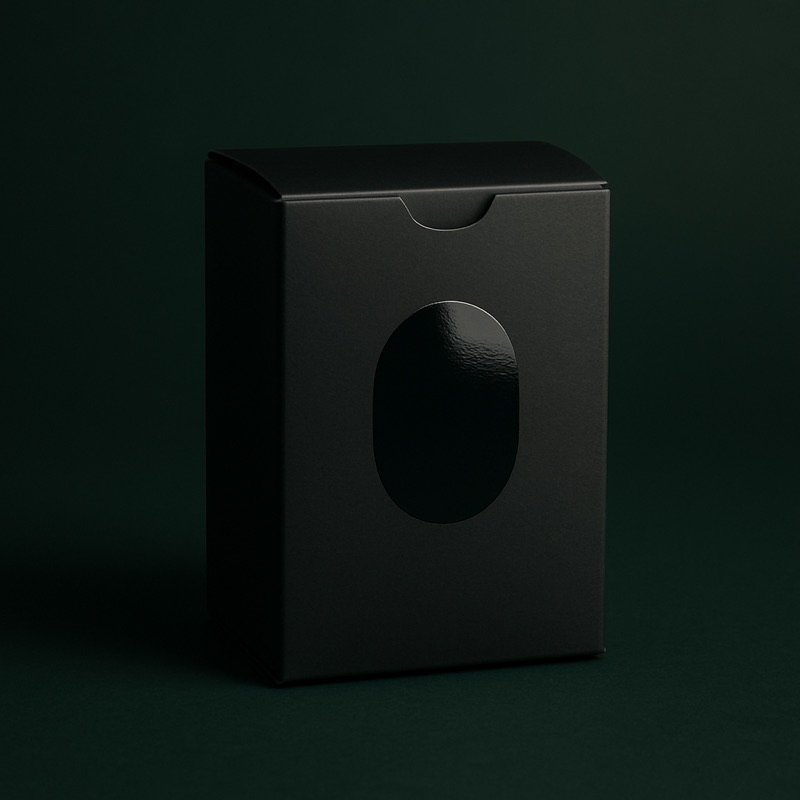
Yes. A die-cut aperture in a sleeve over a plain tray is one of the cheapest ways to show product.
On a back or side panel — never across the front, and never interrupting a continuous graphic. On a bellybrand it normally hides on the reverse.
It will if you let it. Anything that must stay visible either sits outside the sleeve band or gets repeated on the sleeve itself. We check this on the dieline.
Usually not. If the sleeve carries the brand, an unprinted kraft or white tray is the point — printing both is paying twice for the same square inch.
Yes, as long as the base tray dimensions stay fixed. That's the whole economic case for a sleeve programme.
All-in pricing, free stock samples, in-house design, and no setup fees on reorders. Built by operators, for brands.